Kids & Family
Martial Arts and Bullying Prevention: A Responsible Guide for Families
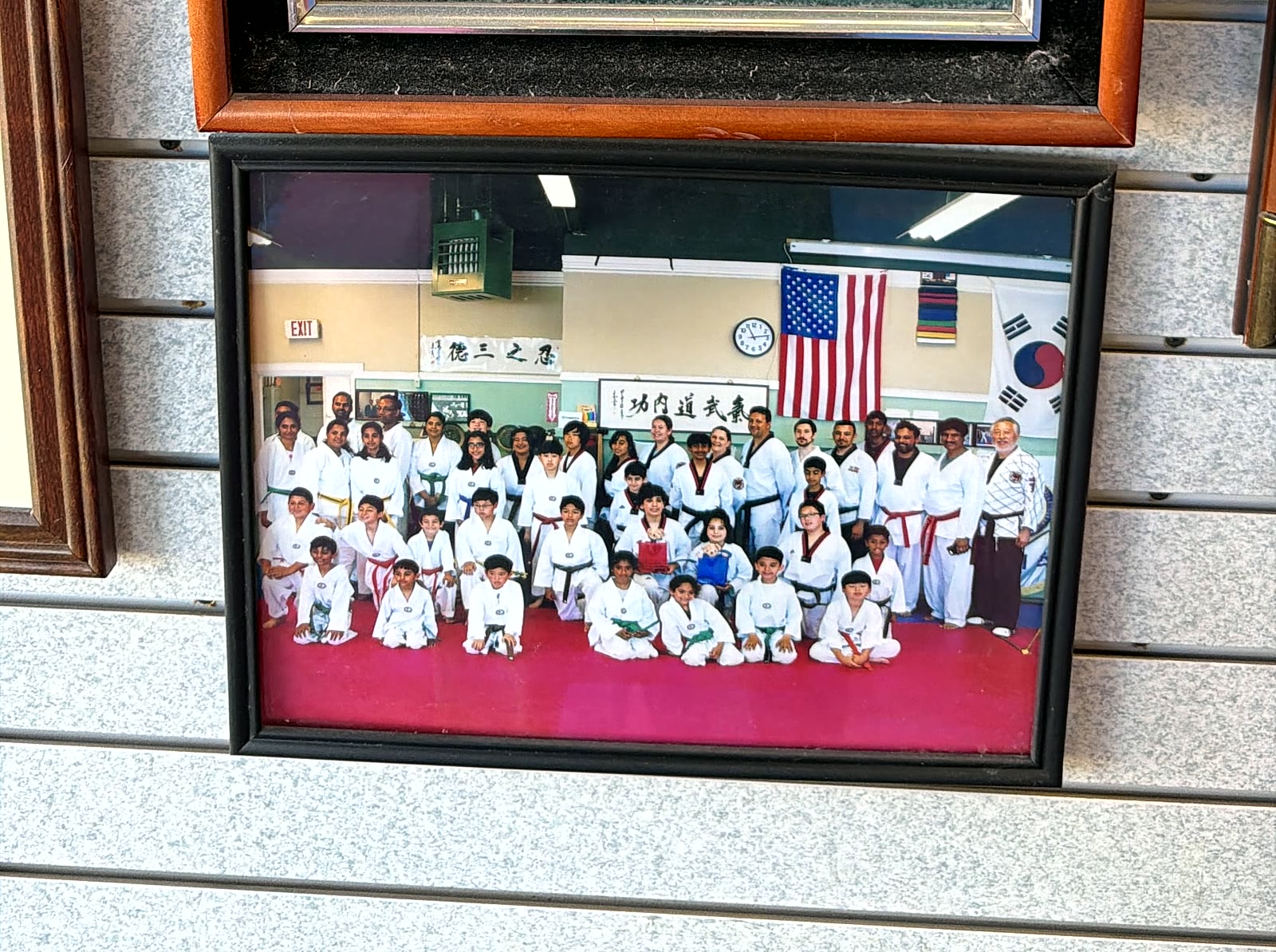
Families researching martial arts and bullying prevention deserve honest answers, not promises that a class will prevent or resolve bullying. Martial arts training can be one activity a family considers, but it cannot replace attentive adults, communication with a school or organization, or individualized support. Before enrolling, ask what a class actually teaches and how adults handle concerns, then keep expectations grounded in what the academy confirms.
Separate training goals from a promise to stop bullying
A class may offer instruction in a martial art or self-defence, but that alone does not establish an anti-bullying curriculum. Ask the instructor whether the class explicitly covers boundaries, respectful communication, or supervised responses to conflict. Find out how students are expected to treat one another and how adults respond when a concern is raised. These questions help you understand the actual class rather than relying on a broad label.
No martial art can guarantee that a child will not be targeted or that a difficult situation will end. Avoid claims that a student should solve bullying through a physical confrontation. The priority is to support the child, understand what is happening, and involve appropriate adults. Training may be a separate interest, not a substitute for addressing the situation directly.
Ask about the class culture and adult response
When considering any program, ask how instructors set expectations for respectful behavior, partner interaction, and boundaries. Ask whom a student should approach if something feels uncomfortable and how a parent or caregiver can raise a concern. Listen for clear, practical explanations instead of vague assurances. The academy should be able to tell you what its current class does and does not address.
If you attend a trial class, observe how the instructor communicates directions and redirects behavior. Notice whether students have a clear way to ask for help, and whether adults handle questions calmly. A brief visit cannot answer everything about an ongoing program, so use it as a starting point for a conversation, not as proof that a school can prevent bullying.
Respond to a child's disclosure with support
If a child tells you about bullying, make space to listen. Ask what has been happening and what would help them feel supported. Try not to blame the child or make the problem their responsibility to solve alone. StopBullying.gov recommends listening, working with the child and relevant adults, and not telling a child to physically fight back. Its guidance on supporting children involved in bullying offers additional steps for families and organizations.
A school, youth organization, or other responsible adult may need to be involved. Share the concern through the appropriate channel and ask what follow-up is possible. If the child is struggling or needs additional support, consider speaking with a qualified counselor or mental health professional. A martial arts instructor can explain the class, but should not be treated as a replacement for school staff or a qualified professional who can respond to the child's situation.
Help a child explore training without pressure
If the child is interested in martial arts, ask what they hope to learn and what would make a class feel comfortable. Explain that attending a class does not mean they are expected to confront someone or prove themselves physically. If the child feels uncertain, respect that and continue addressing the bullying concern through appropriate adults.
A thoughtful program conversation can cover the class's learning goals, how partner work is supervised, and how the academy handles questions. Ask for current details rather than relying on assumptions about age groups, class schedules, policies, or results. Families should select an activity for its real fit and verified approach, not for a promise that no provider can responsibly guarantee.
KIMOO Martial Arts is located in Santa Clara, California, and offers Hapkido, Taekwondo, self-defence, and competition training. The verified academy information does not specify a bullying-prevention program or a particular policy for handling concerns. Contact KIMOO to ask about current class content and expectations, while taking bullying concerns to the appropriate school, organization, or professional.
Frequently asked questions
Can martial arts prevent bullying?
No class can guarantee that bullying will not happen or will stop. Ask what the instructor actually teaches, and involve responsible adults when a child is being bullied.
Should I tell my child to fight back?
StopBullying.gov advises against telling a child who is bullied to physically fight back. Listen, support the child, and work with appropriate adults to address the situation.
What should I ask a martial arts academy?
Ask whether the current class includes instruction on boundaries or respectful communication, how partner practice is supervised, and whom a student or parent can contact with a concern. Avoid assuming that any academy offers a dedicated bullying-prevention program.
Is martial arts training a replacement for school support?
No. A class may be a separate activity, but it does not replace communicating with the school or organization responsible for the child's wellbeing, or seeking qualified professional support when needed.
Does KIMOO Martial Arts offer a bullying-prevention program?
The verified information available for this article does not specify a dedicated program. Contact KIMOO to ask about current classes and their content. Book a free trial class at KIMOO Martial Arts in Santa Clara to ask about current training options, or call (408) 243-1001. If a child is experiencing bullying, continue to work with the school, organization, or qualified support professional best placed to help.
Train with a champion
Book your free trial class at KIMOO Martial Arts in Santa Clara and train under a World Cup gold medalist.
Keep reading