Hapkido Classes in Santa Clara: A Guide for New Students
August 12, 20266 min readKIMOO Martial Arts
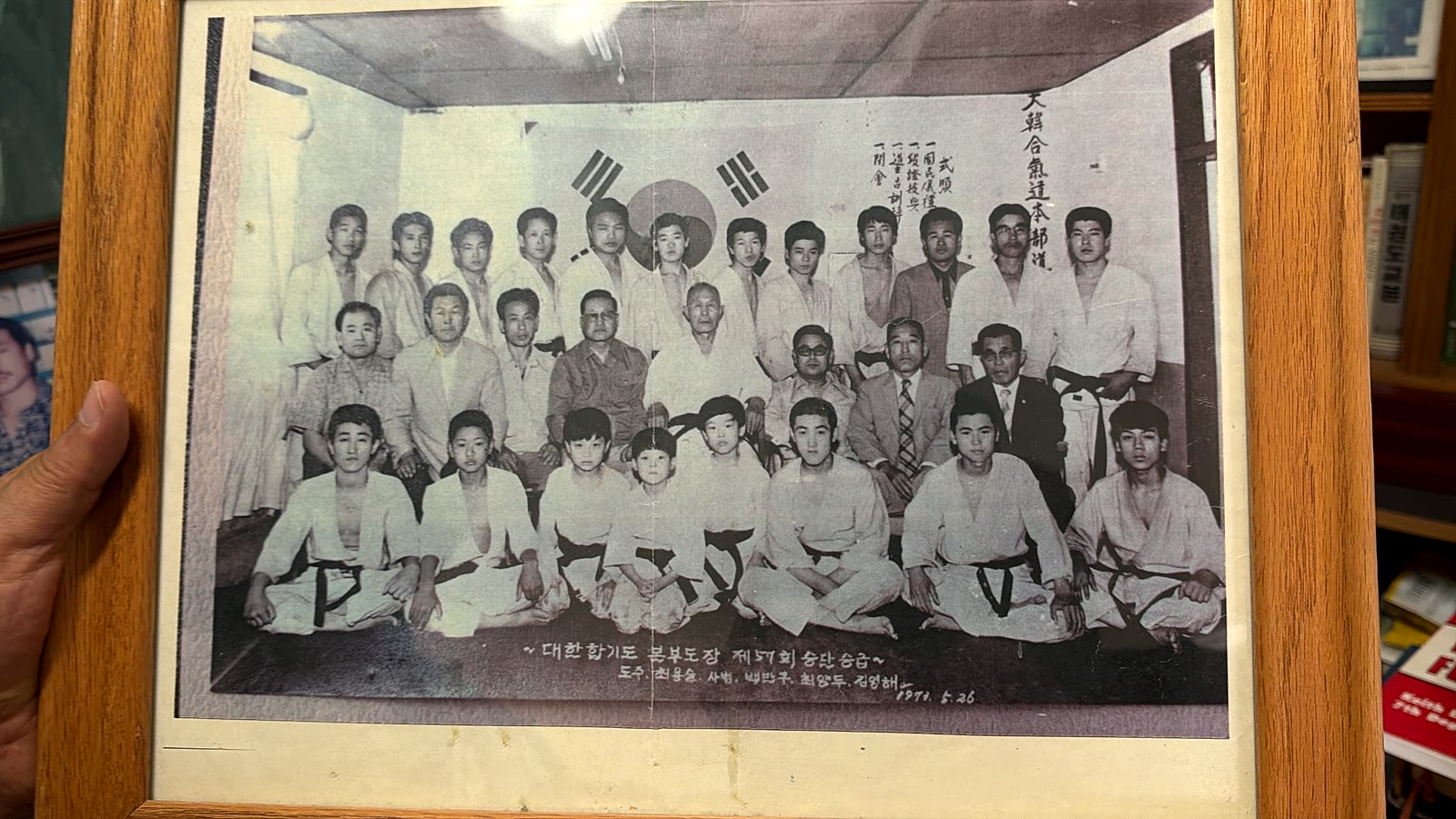
Hapkido heritage connected to the Korea Headquarters Dojang

If you are researching Hapkido classes in Santa Clara, you may be drawn to a Korean martial art that brings together disciplined movement, practical technique, and focused study. Choosing the right place to learn is about more than recognising a style name. You want clear instruction, a respectful environment, and a training process that lets you build reliable fundamentals step by step.

Learn what Hapkido training may emphasise

Hapkido is a Korean martial art associated with controlled movement, positioning, balance, and self-defence practice. A class may include footwork, body alignment, escapes, holds, partner drills, and other technical exercises. The exact lesson structure depends on the instructor and academy, so ask what a new student will learn first and how the material progresses.

Do not judge a class only by its most advanced demonstration. Sophisticated techniques depend on simpler habits such as stable posture, awareness of distance, controlled breathing, and careful movement. A quality introduction should explain those foundations rather than expecting a beginner to imitate a complex sequence immediately.

KIMOO Martial Arts in Santa Clara offers Hapkido, Taekwondo, self-defence, and competition training. Speaking with the academy can help you understand how Hapkido fits your aims and how the available training disciplines relate to one another.

Start with your purpose for training

People approach Hapkido with different goals. You may want to study a traditional Korean martial art, develop a structured physical practice, learn self-defence principles, or complement another discipline. You may also be interested in how technical training develops awareness and composure.

There is no need to choose a permanent identity before your first class. Instead, name the goal that matters most right now. Then ask the instructor how lessons support it. A useful answer should describe the learning process, not promise instant mastery or guaranteed results.

Write down a few questions before visiting. You might ask what fundamentals are introduced first, how partner exercises are explained, and how students are expected to practise safely. This preparation makes a first conversation more focused.

Look for a fundamentals-first teaching method

Hapkido techniques require coordination between posture, hands, feet, timing, and distance. When an instructor breaks a movement into parts, a student can understand where to place attention. Look for demonstrations that are clear, corrections that are specific, and explanations that connect each drill to a useful principle.

During an observation or trial class, notice whether the instructor:

  • Explains the purpose of a technique before asking for repetitions
  • Demonstrates controlled movement and appropriate partner contact
  • Gives students a clear starting position and reset point
  • Corrects alignment or timing with patience and precision
  • Encourages questions without making beginners feel rushed

A premium learning environment can be demanding while remaining welcoming. The standard is not that every movement feels easy. The standard is that the challenge is understandable and responsibly coached.

Treat safety as part of technical quality

Self-defence training involves physical contact and close attention to another person's balance. Safety should therefore be visible in the way a class is organised. Look for clear boundaries, a warm-up, a demonstration before partner practice, and reminders about control. Students should know when to slow down, reset, and ask for help.

Before participating, tell the instructor about an injury, pain, or physical limitation that could affect training. Do not force a movement through concerning discomfort. A careful adjustment can preserve the learning goal while respecting your current condition.

Safety is also mental and social. Respectful communication, attentive partners, and a calm response to mistakes help students concentrate on learning rather than on proving themselves.

Make the first class a thoughtful test

A free trial class can give you information that an online search cannot. Take part at a pace that allows you to observe. Pay attention to how the instructor communicates, how techniques are introduced, and whether the environment feels focused.

Afterward, consider these questions:

  • Did I understand the purpose of the main exercises?
  • Were partner drills explained before we began?
  • Could I ask for clarification when I needed it?
  • Did the training connect with my reason for exploring Hapkido?
  • Did the class feel disciplined, respectful, and safe?

You are not expected to perform advanced techniques during a first visit. The point is to learn how the academy teaches and decide whether the training relationship feels right for you.

Consider the instructor's verified background

When comparing Hapkido classes, look for specific information about technical leadership. Grand Master Jong Yeon Hwang trained at the Korea Hapkido Headquarters Dojang from 1971 and holds 8th Dan Hapkido. He also won Gold at the 10th Wushu World Cup in Milan in 2005. These verified facts provide context for KIMOO's leadership in Santa Clara without replacing your own experience of a class.

Frequently asked questions

Is Hapkido a good starting point for a new martial artist?

It can be a meaningful starting point when the academy introduces fundamentals progressively and explains partner work clearly. Attend a trial class and discuss your experience level and goals with the instructor.

What should I ask before joining Hapkido classes in Santa Clara?

Ask what beginners practise first, how safety is handled during partner drills, how the instructor gives corrections, and how the class relates to your goals. A trial class can help you evaluate the answers.

Does Hapkido training involve self-defence?

KIMOO offers Hapkido and self-defence training. Ask the academy how the Hapkido curriculum and self-defence practice are connected, and what principles are introduced during your training.

Do I need to be athletic before starting?

You do not need to present yourself as an advanced martial artist to attend a first class. Be honest about your experience and physical concerns so the instructor can explain an appropriate way to participate.

How do I compare Hapkido schools?

Compare verified leadership, teaching clarity, fundamentals, safety expectations, and the tone of the trial class. Choose a place where you can practise with focus, respect, and realistic expectations. Ready to explore Hapkido with experienced leadership? Book a free trial class at KIMOO Martial Arts in Santa Clara, or call (408) 243-1001.

Train with a champion

Book your free trial class at KIMOO Martial Arts in Santa Clara and train under a World Cup gold medalist.

Women's Taekwondo Classes in Santa Clara: What to Ask→Taekwondo Terminology for Beginners: Common Korean Class Words→Taekwondo Sport Anxiety Study: What Recent Injury Research Says→Multi-Style Martial Arts Classes in Santa Clara: A Choosing Guide→What to Wear to a Martial Arts Class in Santa Clara: Trial Guide→Poomsae vs Kyorugi: How Taekwondo Competition Formats Differ→Non-Contact Martial Arts Classes in Santa Clara: Questions to Ask→K41 vs K44 Para Taekwondo: How Classification Shapes Competition→Martial Arts Classes for Parents and Teens in Santa Clara: What to Ask→Hapkido vs Aikido: Key Differences and How to Compare Training→Taekwondo Change-of-Direction Testing: What a 2026 Review Found→Martial Arts Classes for Focus in Santa Clara: Questions to Ask→Martial Arts School Culture in Santa Clara: What to Look For→Kids World Open Taekwondo Championships 2026: What to Know→Self-Defence or Competition Training in Santa Clara: How to Choose→Martial Arts Practice at Home: A Focused Guide to Solo Training→World Taekwondo Grand Prix Paris 2026: Dates and Format→Martial Arts Classes for Introverts in Santa Clara: A First-Visit Guide→Martial Arts and Nonviolence: Training with Restraint→Changing Martial Arts Schools in Santa Clara: Questions to Ask→Martial Arts Flexibility Training: Build Range with Control→Accessible Martial Arts Classes in Santa Clara: What to Ask→Martial Arts Membership in Santa Clara: Questions Before You Join→Martial Arts and Bullying Prevention: A Responsible Guide for Families→Martial Arts Gear in Santa Clara: What to Ask Before You Buy→Hydration for Martial Arts Training: A Practical Guide→De-escalation and Self-Defence Training in Santa Clara: What to Ask→Martial Arts Training Journal: A Simple Post-Class Guide→Poomsae vs Kyorugi: Two Taekwondo Competition Formats→Martial Arts Class Size in Santa Clara: What to Ask→Virtual Taekwondo at Asian Games 2026: How It Works→Hapkido Instructor in Santa Clara: What Credentials Can Tell You→Martial Arts Training Plateau: How to Find a Productive Next Step→Hapkido Self-Defence in Santa Clara: Questions to Ask Before You Choose→Taekwondo at LA 2028: Events, Classes, and What to Know→Adult Taekwondo Classes in Santa Clara: How to Choose→Martial Arts and Cognitive Engagement: What Recent Research Says→Martial Arts Classes for Caregivers in Santa Clara: What to Consider→Open-Skill Martial Arts Training: Why Adaptability Matters→Martial Arts Classes for Teachers in Santa Clara: A Thoughtful Guide→Representative Martial Arts Training: A Practical Guide→Martial Arts Classes for Shift Workers in Santa Clara: What to Ask→Travel Safety Martial Arts Classes in Santa Clara: What to Ask→External Focus in Martial Arts Training: A Practical Guide→Kids Martial Arts Classes in Santa Clara: A Parent's Guide→Guided Discovery in Martial Arts Training: A Practical Guide→Martial Arts Resilience Training: Build a Steadier Practice→Martial Arts for Personal Safety in Santa Clara: What to Ask→Deliberate Practice in Martial Arts: A Smarter Way to Train→Adult Hapkido Training in Santa Clara: What to Ask→Private Martial Arts Lessons in Santa Clara: Questions to Ask→Ecological Dynamics in Martial Arts Training: A Practical Guide→Martial Arts Interoception: Learn to Notice Your Body→Martial Arts Classes for New Residents in Santa Clara→Martial Arts Social Connection: How Shared Practice Works→Martial Arts Classes for Seniors in Santa Clara: What to Ask→Martial Arts Classes for Parents in Santa Clara: A Practical Guide→Martial Arts Breakfall Training: Why Safe Falling Matters→Martial Arts Classes for Adults Returning to Exercise in Santa Clara→Embodied Martial Arts Training: Learn Through Movement→Martial Arts Prehab: A Smarter Way to Prepare for Training→How to Choose Martial Arts Classes for Runners in Santa Clara→Martial Arts Video Analysis: Use Recording with Purpose→How to Choose Martial Arts Classes for Tech Professionals in Santa Clara→Martial Arts Coaching Feedback: How to Improve with Purpose→How to Choose Martial Arts Classes for College Students in Santa Clara→Martial Arts Warm-Up Drills for Focused, Safer Practice→How to Choose Martial Arts Classes for Couples in Santa Clara→How to Choose Taekwondo Competition Training in Santa Clara→Augmented Reality Martial Arts Training: What Students Should Know→Martial Arts Peripheral Vision Training: A Practical Guide→How to Compare a Martial Arts Class Schedule in Santa Clara→How to Choose Self-Defence Classes for Beginners in Santa Clara→Martial Arts Distance Management: Train Position with Purpose→Martial Arts Training Load Management: Train with Purpose→How to Choose Martial Arts Classes Near Me in Santa Clara→Strength Training for Martial Artists: A Balanced Guide→How to Choose Martial Arts Classes Near Santa Clara→Martial Arts Training Apps: A Smart Guide for Students→How to Choose a Martial Arts Instructor in Santa Clara→Martial Arts Rhythm Training: Build Better Timing→Martial Arts Class Cost in Santa Clara: Questions to Ask→Martial Arts Skill Retention: How to Remember What You Learn→Back-to-School Martial Arts in Santa Clara: A Family Guide→Wearable Technology for Martial Arts: A Smart Training Guide→Martial Arts Belt Testing in Santa Clara: What to Ask→How to Choose Martial Arts Classes After Work in Santa Clara→Gamification in Martial Arts Training: Use Play with Purpose→Martial Arts Classes for Stress Relief in Santa Clara: How to Choose→AI Martial Arts Training in 2026: What Technology Can Do→Martial Arts Coordination Classes in Santa Clara: What to Look For→Constraint-Led Martial Arts Training: A Practical Introduction→Slow Martial Arts Practice: Why Precision Comes First→Martial Arts Training Goals in Santa Clara: Find Your Fit→Self-Defence Training for Commuters in Santa Clara→Martial Arts Situational Awareness: A Practical Training Guide→Martial Arts Decision-Making Under Pressure: Train the Process→Your First Martial Arts Class in Santa Clara: A Simple Guide→Martial Arts Footwork Training: Build Better Movement Habits→Martial Arts Classes for Teens in Santa Clara: A Parent's Guide→Martial Arts Training Recovery: A Smarter Way to Practise→Adult Martial Arts Training in Santa Clara: How to Choose Well→Martial Arts School Comparison in Santa Clara: A Practical Guide→Martial Arts Motor Learning: How Skills Become More Precise→Martial Arts Proprioception Training for Better Body Awareness→How to Choose a Korean Martial Arts Academy in Santa Clara→Martial Arts Self-Regulation: Train Attention with Purpose→How to Choose Martial Arts for Confidence in Santa Clara→Choosing Taekwondo Self-Defence Training in Santa Clara→Martial Arts Goal Setting for More Purposeful Training→How to Choose Taekwondo Fitness Training in Santa Clara→Martial Arts Mental Rehearsal for More Focused Practice→How to Choose Martial Arts for Fitness in Santa Clara→Martial Arts Cross-Training: How to Combine Skills with Purpose→How to Choose Women's Self-Defence Classes in Santa Clara→Martial Arts Injury Prevention: Safer, Smarter Training Habits→Martial Arts Etiquette for Beginners: A Practical Guide→Family Martial Arts in Santa Clara: How to Choose a Dojo→How to Choose a Martial Arts Trial Class in Santa Clara→Martial Arts Partner Drills: How to Train with Purpose→Martial Arts Forms Training: How to Practise with Purpose→What to Look for in Taekwondo Classes in Santa Clara→Martial Arts Reaction Time Training: A Smarter Way to Practise→Martial Arts Breathing Techniques for Better Training→How to Find Beginner Martial Arts Training in Santa Clara→Martial Arts Mobility and Balance Training for Everyday Movement→How to Choose Competition Martial Arts Training in Santa Clara→How Martial Arts Builds Focus and Discipline→How to Choose Adult Self-Defence Classes in Santa Clara→Hapkido vs Taekwondo: Which Martial Art Is Right for You?→How to Choose the Best Martial Arts Dojo in Santa Clara→