Choosing a Dojo
Martial Arts for College Students in Santa Clara: A Practical Enrollment Guide
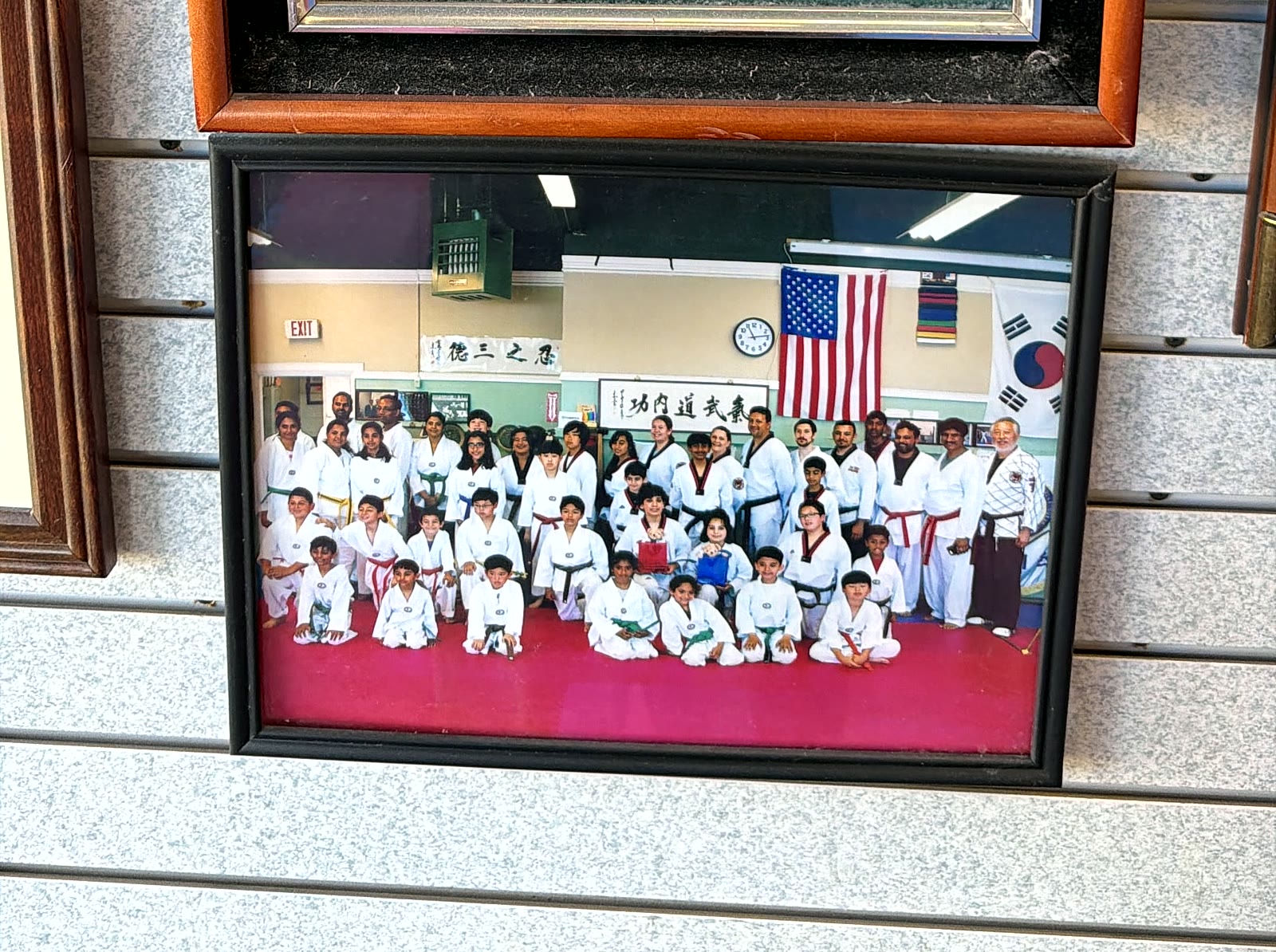
Martial arts for college students in Santa Clara can be a way to explore a structured physical practice while balancing classes, work, and other commitments. The key is to choose based on what a school actually offers, not an assumption that every program suits every schedule or experience level. KIMOO Martial Arts is in Santa Clara and lists Hapkido and Wushu among its disciplines. Before deciding, ask about current class options, the introductory process, and the practical details that affect whether you can participate consistently.
Start with a goal that matters to you
Students come to martial arts with different interests. You may be curious about a traditional discipline, want to learn new movement skills, or be seeking a regular activity outside academics. Be clear about what you want to try, but keep expectations realistic. A class can introduce practice and instruction, but no single activity guarantees a particular fitness, academic, or personal outcome.
Think about the learning environment you prefer. Would you like to learn a sequence of techniques, practice controlled movement, work with a partner, or explore a mix? You do not have to know the terminology in advance. Tell the instructor what interests you and ask how the current program approaches it.
If you have a health concern or injury, seek advice from an appropriate healthcare professional before starting and let the instructor know about relevant participation needs. You can ask whether the class can accommodate a particular concern, without assuming that any modification is available until confirmed.
Compare the actual programs, not just the style names
KIMOO lists Hapkido and Wushu among its disciplines. Those names alone do not tell you what a particular class covers, how it is taught, or whether it is a good match for your goals. Ask which classes are currently open to new adult students and how the programs differ in practice format and instruction.
Useful questions include whether a session emphasizes forms, partner drills, conditioning, or other practice; whether beginners join an ongoing class; and what students typically learn at the outset. Ask about contact, equipment, and any participation expectations. A clear answer is more helpful than broad claims about a style.
If you are comparing schools, notice whether staff explain the curriculum in a way you understand and welcome reasonable questions. During an introductory visit, focus on the class you would actually attend, rather than a special demonstration. Ask what next steps would follow a trial and whether there are current enrollment terms you should review.
Plan around a changing semester
College timetables can shift with each term. Before making a commitment, ask for the current schedule and confirm how the school handles a conflict, missed session, or temporary change in availability. Do not rely on an old online schedule or another student's recollection for current details.
Estimate the full trip, not only the time in class. Consider travel to the academy, preparation, and how the session would fit around your academic and work obligations. If you commute from campus or another city, check the route at the time you would actually travel. These practical questions help you decide whether participation is realistic without guessing at the academy's hours or policies.
Ask about costs, required attire, equipment, and enrollment terms directly before you sign up. Details can change, and they are not specified here. Read any written agreement carefully and ask for clarification if something is unclear. A suitable choice is one you understand and can maintain, not a decision made under pressure.
Make your first visit count
Contact the school before arriving to confirm that a visit or free trial is available, what to wear, and whether you should bring anything. If you have no experience, say so. Ask how instructors introduce the basic movements and how students can request clarification.
During the visit, pay attention to whether instructions are understandable, whether the class has an organized progression, and whether you feel comfortable raising a concern. Notice how the instructor describes safe participation and responds to questions. These are useful observations, not a guarantee of future results.
Afterward, consider whether the program matched your goals and schedule. If you are undecided, ask follow-up questions or compare another option. It is reasonable to take time to decide. A good inquiry should leave you with a clear understanding of the class, the practical commitment, and what to do next.
Frequently asked questions
Does KIMOO have classes suitable for college students?
KIMOO is in Santa Clara and lists Hapkido and Wushu among its disciplines. Ask the academy which current classes are appropriate for your experience and availability.
Can a beginner start without martial arts experience?
Ask whether new adult students can join the current program and how the instructor introduces beginners. Do not assume every class has the same format.
What should I ask about scheduling?
Confirm the current timetable, any requirements for attendance, and what happens if your academic commitments change. Get current details directly from the academy.
What if my goal is fitness or self-defence?
Explain your interest and ask what the specific curriculum covers. Avoid relying on a style name or assuming a particular outcome.
Can I try a class before enrolling?
Ask whether a free trial or observation is currently available and confirm the arrangements before visiting. For current program details or to arrange a free trial, contact KIMOO Martial Arts at (408) 243-1001.
Train with a champion
Book your free trial class at KIMOO Martial Arts in Santa Clara and train under a World Cup gold medalist.
Keep reading