Training Tips
Martial Arts Prehab: A Smarter Way to Prepare for Training
Martial arts prehab training is a useful way to think about preparation before class. The word refers broadly to preparation habits that help you notice movement quality, control, and readiness before a demanding drill. It does not mean diagnosing an injury or promising that discomfort will never occur. It means approaching practice with more information and intention.
A thoughtful prehab routine can support Hapkido, Taekwondo, self-defence, and competition training.
What prehab means in a martial arts setting
Prehab is not a shortcut to advanced technique. It is a preparation mindset. Before class, you can check how your body feels, move through a comfortable range, and pay attention to the positions that the lesson may ask you to use.
The exact preparation should match the session. A practice involving footwork may call for attention to stance and balance. A partner drill may require clear communication and controlled transitions. Ask what the exercise is designed to teach before adding extra work around it.
Begin with a readiness check
Before training, pause long enough to notice your energy, concentration, and any unusual discomfort. This simple check does not diagnose a problem. It gives you a reason to communicate honestly with your instructor and make a responsible choice about how you participate.
If something feels unclear or painful, ask for guidance rather than pushing through automatically. A coach can help explain an exercise or suggest an appropriate way to approach the lesson. If you have a medical concern, seek advice from a qualified healthcare professional.
Practise controlled mobility
Mobility preparation should help you explore the movement needed for class without forcing a stretch or chasing an extreme position. Move slowly enough to notice how your posture, breathing, and balance change.
For example, you might practise a gentle stance change, an easy rotation, or a controlled step while keeping your attention on alignment. These are examples of observation, not a prescribed routine for every student. The goal is to arrive ready to learn, not tired before the lesson begins.
Prepare balance and foot placement
Martial arts often asks students to move from one position to another with control. Before a drill, pay attention to where your feet are placed, whether you can maintain a stable base, and how smoothly you can shift weight.
Keep the movement appropriate to your experience. If a position feels unstable, reduce the range or ask for a demonstration. Quality preparation is not about showing that you can hold a difficult position. It is about creating enough awareness to learn the exercise safely and clearly.
Use gradual practice before intensity
A new movement deserves a gradual introduction. Start with the shape or pathway at a manageable pace, then add complexity only when you understand the instruction. This approach can make it easier to identify where coordination changes.
Do not add speed, power, or resistance simply because a movement looks easy. In martial arts, control is part of the skill. Ask the instructor when an exercise should become faster or more dynamic, especially when training with a partner.
Communicate during partner work
Prehab is not only individual movement. Communication is part of preparation when a drill involves another person. Confirm the exercise, agree on the pace directed by the instructor, and say when you need to pause or reset.
A partner should not have to guess whether you understand the drill. Listening and responding clearly help both students practise with better awareness. If you are uncertain about contact, distance, or timing, ask before continuing.
Recover with attention after class
Preparation does not end when class begins or when the final drill is finished. Take a moment afterward to note what felt clear, what felt unfamiliar, and what you want to ask next time. This reflection can help you prepare more intelligently for a future session.
Avoid turning recovery into a competition. If you experience persistent or concerning discomfort, pause and consult a healthcare professional. Training notes and instructor feedback can support better questions, but they are not a substitute for medical advice.
Keep technology in perspective
Current sports research and coaching conversations increasingly examine structured preparation for striking sports. That interest can encourage martial artists to ask better questions about readiness, movement quality, and training design.
Technology and research summaries can be useful prompts, but they cannot determine the right preparation for every person or lesson. Use them to begin a conversation, not to replace an instructor's context or professional healthcare advice.
Apply the mindset at KIMOO Martial Arts
KIMOO Martial Arts offers Hapkido, Taekwondo, self-defence, and competition training in Santa Clara, California. Ask the instructor how preparation relates to the discipline and exercise you are learning. A useful conversation can help you understand which details to observe without adding unsupported claims about outcomes.
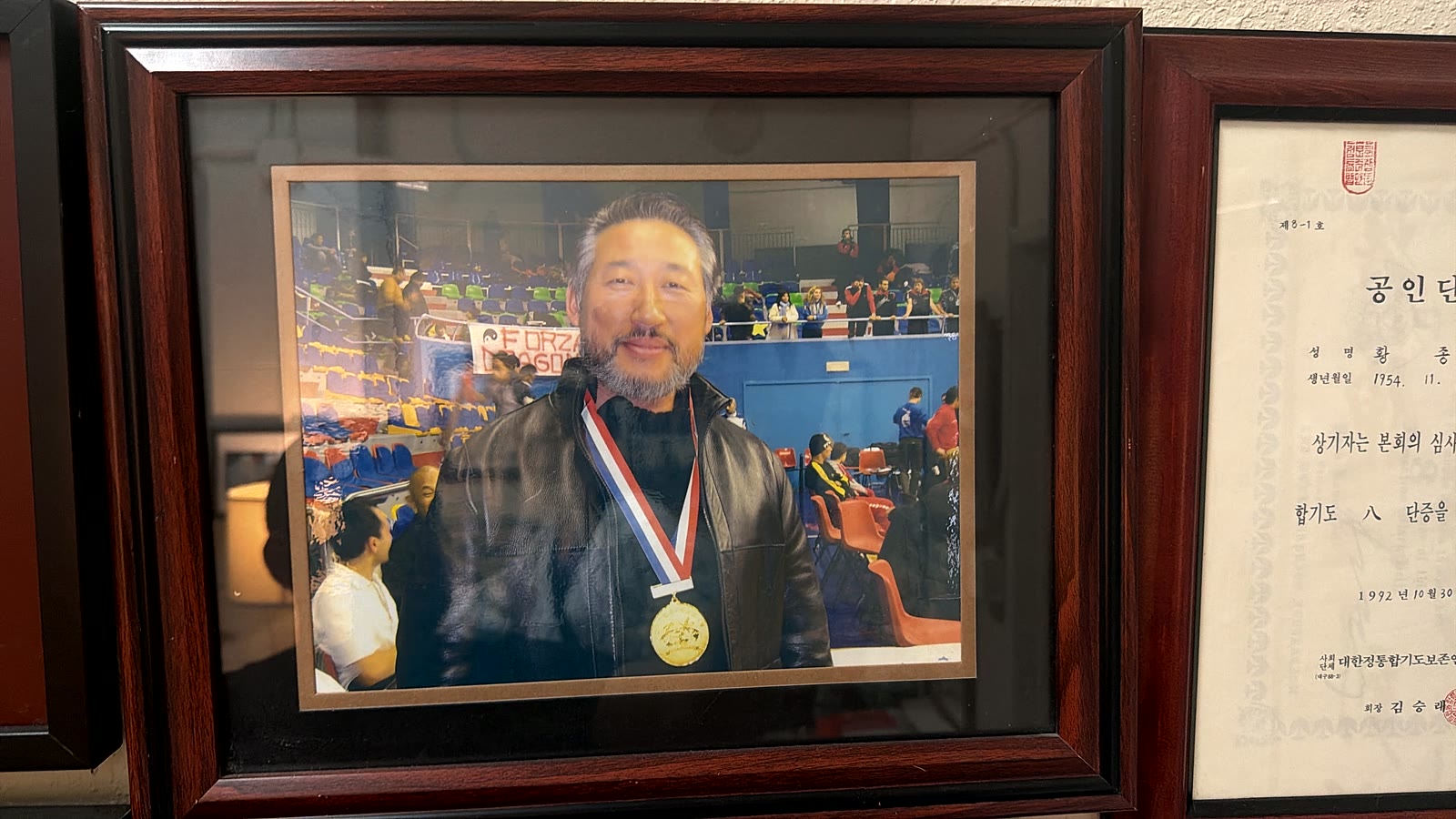
Grand Master Jong Yeon Hwang trained at the Korea Hapkido Headquarters Dojang from 1971 and holds 8th Dan Hapkido. He won Gold at the 10th Wushu World Cup in Milan in 2005. He received the President's Volunteer Service Award, a White House honor, in 2023. KIMOO received Santa Clara District 2 Business of the Year in 2019.
Frequently asked questions
Is prehab the same as a warm-up?
They can overlap, but the terms describe different ideas. A warm-up prepares you for activity, while prehab focuses attention on movement quality, readiness, and responsible preparation. Ask your instructor how the class handles both.
Do I need a complicated prehab routine?
No. A simple readiness check and controlled movement may be more useful than a long routine you do not understand. Preparation should match the lesson and your experience.
Can prehab prevent every martial arts injury?
No training approach can promise that. Prehab is a way to practise with awareness, not a guarantee. For a medical concern, consult a qualified healthcare professional.
What should I do if a movement feels painful?
Pause and communicate with the instructor instead of forcing the movement. If the concern persists or seems serious, seek appropriate healthcare advice.
Should preparation change between Hapkido and Taekwondo?
The details may differ because each lesson can have different movement goals. Ask the instructor what to observe for the specific practice rather than copying a generic routine.
How can beginners develop better readiness habits?
Arrive with a clear question, listen to the demonstration, start at a controlled pace, and note what you want to clarify. Consistent attention is more useful than trying to look advanced. Ready to train with more purpose? Book a free trial class at KIMOO Martial Arts in Santa Clara or call (408) 243-1001.
Train with a champion
Book your free trial class at KIMOO Martial Arts in Santa Clara and train under a World Cup gold medalist.
Keep reading