Hydration for Martial Arts Training: A Practical Guide
September 29, 20266 min readKIMOO Martial Arts
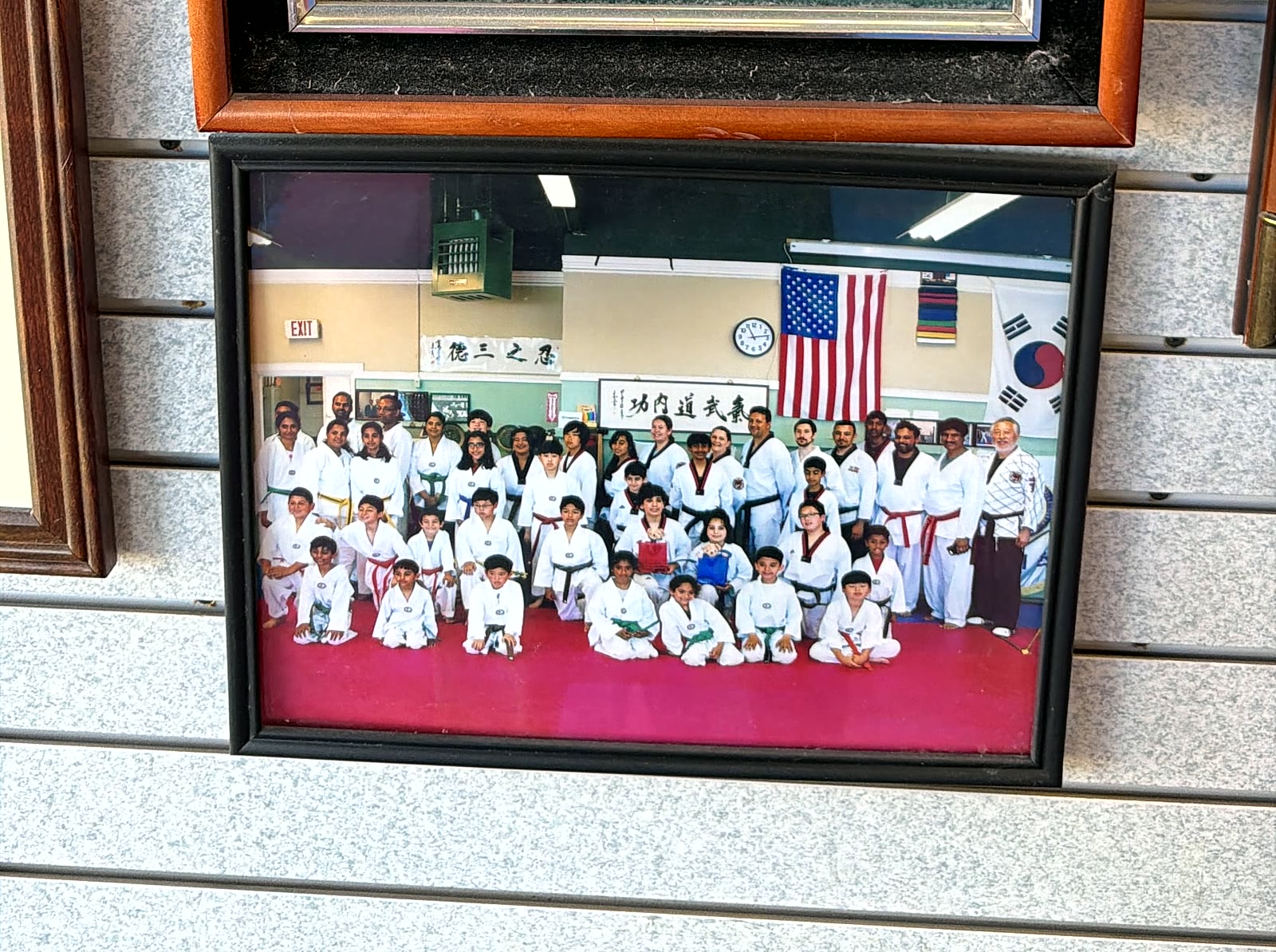
A group from a martial arts class gathered together

Hydration for martial arts training is worth considering before you step onto the training floor. A class may involve movement and effort, but no single drinking plan fits every person or every situation. Your needs can depend on personal circumstances, activity, and environment. A sensible approach is to make water access part of your preparation, ask about the class's expectations, and seek personalized advice when you need it.

Start with a personal, flexible approach

Mayo Clinic's guide to water explains that fluid needs differ from person to person and can depend on health, activity, location, and weather. It also advises drinking water before, during, and after a workout. These general points are useful context, not a personalized prescription. The guide notes that a healthcare professional can help someone find the daily amount that is right for them. Read Mayo Clinic's guide to water.

For martial arts practice, avoid treating a generic online number or routine as a rule for everyone. Your class, personal health, and surroundings all matter. If you have a medical condition, take medication that affects fluids, or have been given specific instructions by a clinician, follow that professional guidance rather than changing your habits because of a general article.

Make water access easy to plan

Before class, find out where a water bottle can be kept and whether there are directions about taking a break. Policies may vary by school and activity, so ask rather than assume. Knowing what to expect can help you prepare without interrupting instruction or leaving personal belongings in an unsuitable place.

A clean, clearly identifiable bottle can make it easier to keep your own drink separate. Follow the academy's instructions about where to place it, and take a drink when appropriate. If you are visiting a school for the first time, asking about these practical details is a reasonable part of learning how the class works.

Pay attention to the setting

Temperature, ventilation, activity level, and the length of a session can affect how practice feels. If you are unsure what to expect from a particular class, ask the instructor about the general format and how students should handle water breaks. Do not assume that every class has the same intensity, room conditions, or break policy.

It is also helpful to notice how you feel before and after practice without turning those observations into a self-diagnosis. If something feels unusual or concerning, stop and seek appropriate help. Ask the instructor about the immediate class procedure, and contact a healthcare professional about personal symptoms or health questions. An online article cannot assess your individual needs.

Choose drinks thoughtfully

For everyday hydration, Mayo Clinic identifies water as a good choice. Individual circumstances and the demands of an activity can vary, so do not assume that a specialized drink or supplement is needed for every class. If you have questions about a sports drink, supplement, or a personal hydration target, ask a healthcare professional who knows your circumstances.

Be cautious about advice that promises a precise amount for every martial artist or encourages extreme changes. A short recreational practice, a demanding competition preparation session, and training in different environments are not automatically interchangeable. Keep your choices grounded in appropriate personal guidance and the instructions of the people responsible for your health and class.

Ask useful questions before training

A quick conversation with an instructor can clarify class logistics. You can ask where to keep water, how breaks are handled, and what a first-time visitor should know about the setting. These are questions about the current class, not assumptions about its schedule or facility. If you are managing a health condition or have a fluid-related concern, direct the medical question to your healthcare professional.

KIMOO Martial Arts is located in Santa Clara, California, and offers Hapkido, Taekwondo, self-defence, and competition training. The verified academy information does not specify its water-break procedures or class conditions. Contact the academy to ask about the current class you are considering and follow any personal health guidance from your clinician.

Frequently asked questions

How much water should I drink before martial arts training?

There is no single amount that suits everyone. Mayo Clinic explains that water needs differ according to factors such as health, activity, location, and weather. Ask a healthcare professional for personal guidance, especially if you have a medical concern.

Should I bring a water bottle to class?

Ask the academy about its current instructions for bringing and placing a bottle. This is a practical way to prepare for a class without assuming how its floor or breaks are organized.

Are sports drinks necessary for martial arts practice?

Do not assume that a sports drink or supplement is required for every class. Ask a healthcare professional about your personal needs and the instructor about class expectations.

What should I do if I feel unwell during practice?

Stop and seek appropriate help. Ask the instructor about the class's immediate procedure, and speak with a healthcare professional about symptoms or personal health concerns.

Does KIMOO Martial Arts have a specific water-break policy?

The available verified academy information does not specify a water-break policy. Contact KIMOO to ask about the current class and its procedures. Book a free trial class at KIMOO Martial Arts in Santa Clara to ask about the current training options and class expectations, or call (408) 243-1001.

Train with a champion

Book your free trial class at KIMOO Martial Arts in Santa Clara and train under a World Cup gold medalist.

Martial Arts Gear in Santa Clara: What to Ask Before You Buy→De-escalation and Self-Defence Training in Santa Clara: What to Ask→Martial Arts Training Journal: A Simple Post-Class Guide→Poomsae vs Kyorugi: Two Taekwondo Competition Formats→Martial Arts Class Size in Santa Clara: What to Ask→Virtual Taekwondo at Asian Games 2026: How It Works→Hapkido Instructor in Santa Clara: What Credentials Can Tell You→Martial Arts Training Plateau: How to Find a Productive Next Step→Hapkido Self-Defence in Santa Clara: Questions to Ask Before You Choose→Taekwondo at LA 2028: Events, Classes, and What to Know→Adult Taekwondo Classes in Santa Clara: How to Choose→Martial Arts and Cognitive Engagement: What Recent Research Says→Martial Arts Classes for Caregivers in Santa Clara: What to Consider→Open-Skill Martial Arts Training: Why Adaptability Matters→Martial Arts Classes for Teachers in Santa Clara: A Thoughtful Guide→Representative Martial Arts Training: A Practical Guide→Martial Arts Classes for Shift Workers in Santa Clara: What to Ask→Travel Safety Martial Arts Classes in Santa Clara: What to Ask→External Focus in Martial Arts Training: A Practical Guide→Kids Martial Arts Classes in Santa Clara: A Parent's Guide→Guided Discovery in Martial Arts Training: A Practical Guide→Martial Arts Resilience Training: Build a Steadier Practice→Martial Arts for Personal Safety in Santa Clara: What to Ask→Deliberate Practice in Martial Arts: A Smarter Way to Train→Adult Hapkido Training in Santa Clara: What to Ask→Private Martial Arts Lessons in Santa Clara: Questions to Ask→Ecological Dynamics in Martial Arts Training: A Practical Guide→Martial Arts Interoception: Learn to Notice Your Body→Martial Arts Classes for New Residents in Santa Clara→Martial Arts Social Connection: How Shared Practice Works→Martial Arts Classes for Seniors in Santa Clara: What to Ask→Martial Arts Classes for Parents in Santa Clara: A Practical Guide→Martial Arts Breakfall Training: Why Safe Falling Matters→Martial Arts Classes for Adults Returning to Exercise in Santa Clara→Embodied Martial Arts Training: Learn Through Movement→Martial Arts Prehab: A Smarter Way to Prepare for Training→How to Choose Martial Arts Classes for Runners in Santa Clara→Martial Arts Video Analysis: Use Recording with Purpose→How to Choose Martial Arts Classes for Tech Professionals in Santa Clara→Martial Arts Coaching Feedback: How to Improve with Purpose→How to Choose Martial Arts Classes for College Students in Santa Clara→Martial Arts Warm-Up Drills for Focused, Safer Practice→How to Choose Martial Arts Classes for Couples in Santa Clara→How to Choose Taekwondo Competition Training in Santa Clara→Augmented Reality Martial Arts Training: What Students Should Know→Martial Arts Peripheral Vision Training: A Practical Guide→How to Compare a Martial Arts Class Schedule in Santa Clara→How to Choose Self-Defence Classes for Beginners in Santa Clara→Martial Arts Distance Management: Train Position with Purpose→Martial Arts Training Load Management: Train with Purpose→How to Choose Martial Arts Classes Near Me in Santa Clara→Strength Training for Martial Artists: A Balanced Guide→How to Choose Martial Arts Classes Near Santa Clara→Martial Arts Training Apps: A Smart Guide for Students→How to Choose a Martial Arts Instructor in Santa Clara→Martial Arts Rhythm Training: Build Better Timing→Martial Arts Class Cost in Santa Clara: Questions to Ask→Martial Arts Skill Retention: How to Remember What You Learn→Back-to-School Martial Arts in Santa Clara: A Family Guide→Wearable Technology for Martial Arts: A Smart Training Guide→Martial Arts Belt Testing in Santa Clara: What to Ask→How to Choose Martial Arts Classes After Work in Santa Clara→Gamification in Martial Arts Training: Use Play with Purpose→Martial Arts Classes for Stress Relief in Santa Clara: How to Choose→AI Martial Arts Training in 2026: What Technology Can Do→Martial Arts Coordination Classes in Santa Clara: What to Look For→Constraint-Led Martial Arts Training: A Practical Introduction→Slow Martial Arts Practice: Why Precision Comes First→Martial Arts Training Goals in Santa Clara: Find Your Fit→Self-Defence Training for Commuters in Santa Clara→Martial Arts Situational Awareness: A Practical Training Guide→Martial Arts Decision-Making Under Pressure: Train the Process→Your First Martial Arts Class in Santa Clara: A Simple Guide→Martial Arts Footwork Training: Build Better Movement Habits→Martial Arts Classes for Teens in Santa Clara: A Parent's Guide→Martial Arts Training Recovery: A Smarter Way to Practise→Adult Martial Arts Training in Santa Clara: How to Choose Well→Martial Arts School Comparison in Santa Clara: A Practical Guide→Martial Arts Motor Learning: How Skills Become More Precise→Martial Arts Proprioception Training for Better Body Awareness→How to Choose a Korean Martial Arts Academy in Santa Clara→Martial Arts Self-Regulation: Train Attention with Purpose→How to Choose Martial Arts for Confidence in Santa Clara→Choosing Taekwondo Self-Defence Training in Santa Clara→Martial Arts Goal Setting for More Purposeful Training→How to Choose Taekwondo Fitness Training in Santa Clara→Martial Arts Mental Rehearsal for More Focused Practice→How to Choose Martial Arts for Fitness in Santa Clara→Martial Arts Cross-Training: How to Combine Skills with Purpose→How to Choose Women's Self-Defence Classes in Santa Clara→Martial Arts Injury Prevention: Safer, Smarter Training Habits→Martial Arts Etiquette for Beginners: A Practical Guide→Family Martial Arts in Santa Clara: How to Choose a Dojo→How to Choose a Martial Arts Trial Class in Santa Clara→Martial Arts Partner Drills: How to Train with Purpose→Martial Arts Forms Training: How to Practise with Purpose→Hapkido Classes in Santa Clara: A Guide for New Students→What to Look for in Taekwondo Classes in Santa Clara→Martial Arts Reaction Time Training: A Smarter Way to Practise→Martial Arts Breathing Techniques for Better Training→How to Find Beginner Martial Arts Training in Santa Clara→Martial Arts Mobility and Balance Training for Everyday Movement→How to Choose Competition Martial Arts Training in Santa Clara→How Martial Arts Builds Focus and Discipline→How to Choose Adult Self-Defence Classes in Santa Clara→Hapkido vs Taekwondo: Which Martial Art Is Right for You?→How to Choose the Best Martial Arts Dojo in Santa Clara→