Training Tips
Martial Arts Peripheral Vision Training: A Practical Guide
Martial arts peripheral vision training is not about staring harder or trying to see everything at once. It is about keeping a broad, calm awareness while your body moves and your attention remains available to important changes. In a martial arts class, this skill can support footwork, partner drills, distance awareness, and controlled decision-making.
The goal is not to claim perfect vision or instant reactions. The goal is to practise noticing more of the training space without losing posture, balance, or respect for the person working with you.
What peripheral awareness means in practice
Peripheral awareness is the ability to notice movement or position outside the exact point where you are looking. In training, you might keep your eyes on a partner while remaining aware of a step to the side, a change in distance, or another safe cue from the instructor.
This does not mean ignoring what is directly in front of you. Focus and broad awareness work together. Use a clear visual point when a technique requires precision, then widen your attention when the exercise asks you to observe movement around that point.
Begin with a relaxed visual focus
Tension can narrow attention. Start by standing in a balanced posture and choosing a point in front of you. Without moving your head, notice shapes, light, or movement near the edges of your view. Keep the exercise comfortable and brief.
This is an awareness exercise, not a test. If you feel eye strain, dizziness, or discomfort, stop and ask a qualified professional for guidance. Martial arts practice should remain controlled and appropriate for the individual.
Add movement one variable at a time
Once the basic awareness exercise feels clear, introduce simple footwork. Step forward, back, or to an angle while keeping your posture organised. Ask a partner to make a predictable movement to one side, and acknowledge it without rushing toward it.
Change only one variable at a time. You might keep the footwork simple while adding a visual cue, or keep the cue simple while changing direction. This makes it easier to understand whether the challenge came from your vision, balance, timing, or attention.
Use partner drills with clear communication
Partner training should begin with an agreed signal, a controlled pace, and enough space to stop safely. One partner may move a hand or step to a designated area while the other maintains a stable stance and identifies the change. Neither person needs to surprise or overwhelm the other.
As the drill becomes familiar, an instructor can adjust the task. The emphasis should remain on accurate observation and controlled movement. If you stop seeing the cue clearly, slow down and reset. Quality awareness is more valuable than speed that creates confusion.
Connect vision to distance and posture
Visual awareness has little value if your body is unprepared to respond with control. Keep your feet balanced, your shoulders relaxed, and your movement deliberate. Notice whether looking to one side causes you to turn too far, cross your feet, or lose your position.
This is where peripheral awareness connects with distance management. You can observe a change while preserving enough space to move. A responsible self-defence lesson can discuss awareness and decision-making without suggesting that any drill predicts every real-life situation.
Build awareness without chasing a reaction record
It is tempting to measure every drill by speed. That approach can distract from the quality of your observation. Ask better questions instead. Did you notice the cue before your partner completed the movement? Could you keep your balance? Did you choose a controlled response rather than a rushed one?
Use a short practice reflection after class. Record one visual cue that you missed and one adjustment you will try next time. Over time, this gives you a focused way to work with your instructor and notice changes in your training process.
Explore the skill at KIMOO Martial Arts
KIMOO Martial Arts offers Hapkido, Taekwondo, self-defence, and competition training in Santa Clara, California. Ask an instructor how visual awareness appears in the discipline you want to study. The drills may differ, but careful observation, posture, timing, and respect for training partners are useful foundations.
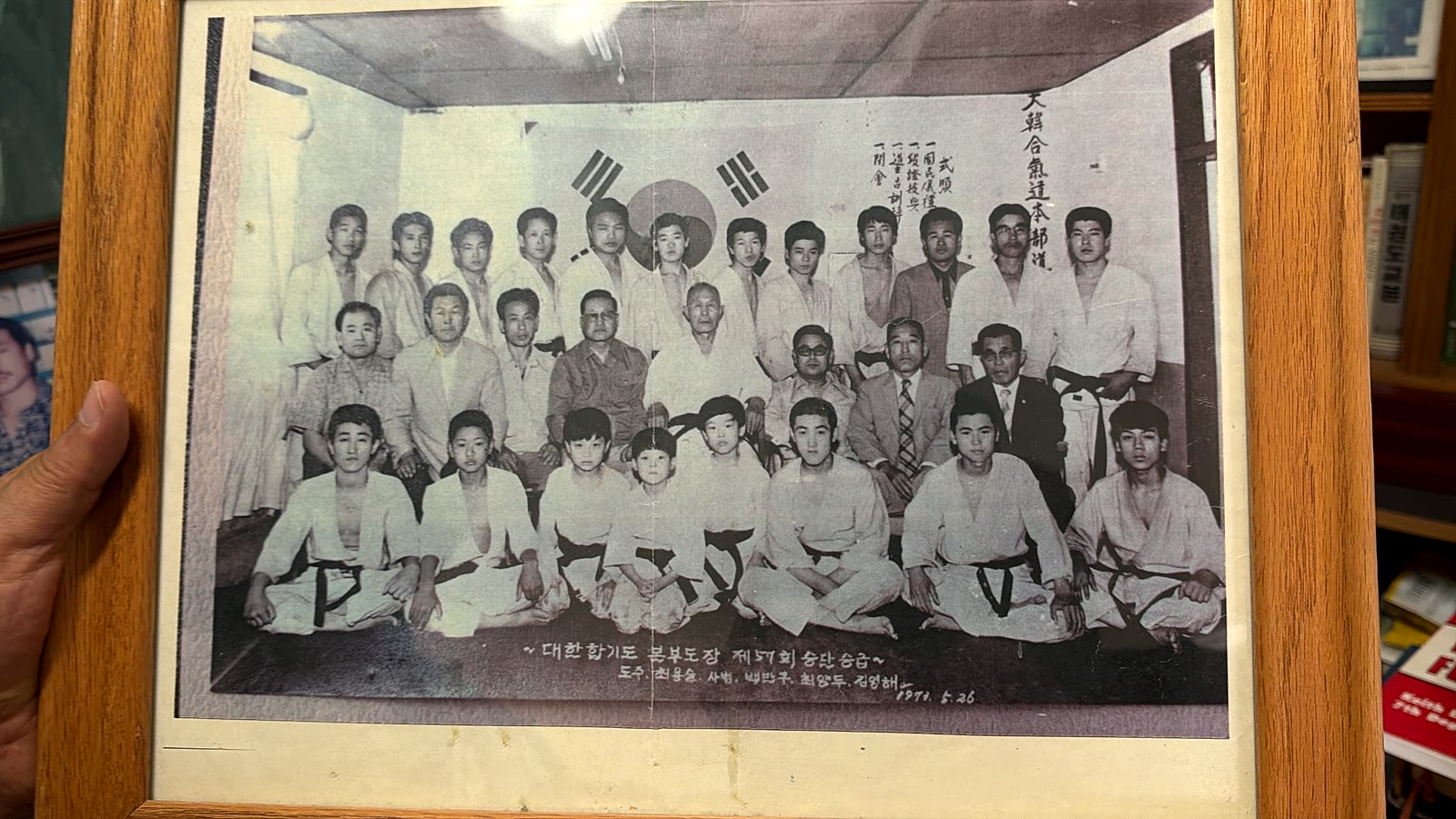
Grand Master Jong Yeon Hwang trained at the Korea Hapkido Headquarters Dojang from 1971 and holds 8th Dan Hapkido. He won Gold at the 10th Wushu World Cup in Milan in 2005. He received the President’s Volunteer Service Award, a White House honor, in 2023. KIMOO received Santa Clara District 2 Business of the Year in 2019.
These verified details offer context about KIMOO’s leadership and recognition. A trial class gives you the opportunity to ask how the academy approaches visual awareness and other fundamentals in actual instruction.
Keep the practice responsible
Peripheral vision exercises should complement, not replace, good coaching. Work in a clear space, communicate with your partner, and follow the instructor’s directions. Do not practise while driving or in any situation where reduced direct attention could create danger.
The most useful training is calm, specific, and repeatable. Start with awareness, add movement carefully, and use feedback to improve one decision at a time.
Frequently asked questions
Is peripheral vision the same as looking away?
No. Peripheral awareness means noticing information near the edges of your view while keeping an appropriate visual focus. You should not turn away from a partner or ignore what is directly ahead.
Can beginners practise this skill?
Yes, beginners can start with simple, controlled awareness exercises and predictable partner cues. An instructor should set the pace and explain how to practise safely.
Should peripheral vision drills be fast?
Not at first. Begin slowly enough to maintain balance, understand the cue, and communicate with your partner. Add complexity only when the basic task is clear.
How does visual awareness relate to self-defence?
Awareness can help you notice changes in space and make more informed decisions. It cannot guarantee a particular result, and responsible training should include communication and avoidance where appropriate.
What if I feel discomfort during an exercise?
Stop the exercise and tell the instructor. If discomfort continues or concerns you, seek guidance from a qualified health professional rather than pushing through it.
What should I ask at a trial class?
Ask how the academy teaches awareness, partner drills, posture, and distance. A clear explanation can help you decide whether the training style matches your goals. Develop calm awareness and purposeful movement at KIMOO Martial Arts in Santa Clara. Book a free trial class or call (408) 243-1001.
Train with a champion
Book your free trial class at KIMOO Martial Arts in Santa Clara and train under a World Cup gold medalist.
Keep reading