Choosing a Dojo
Martial Arts Class Size in Santa Clara: What to Ask
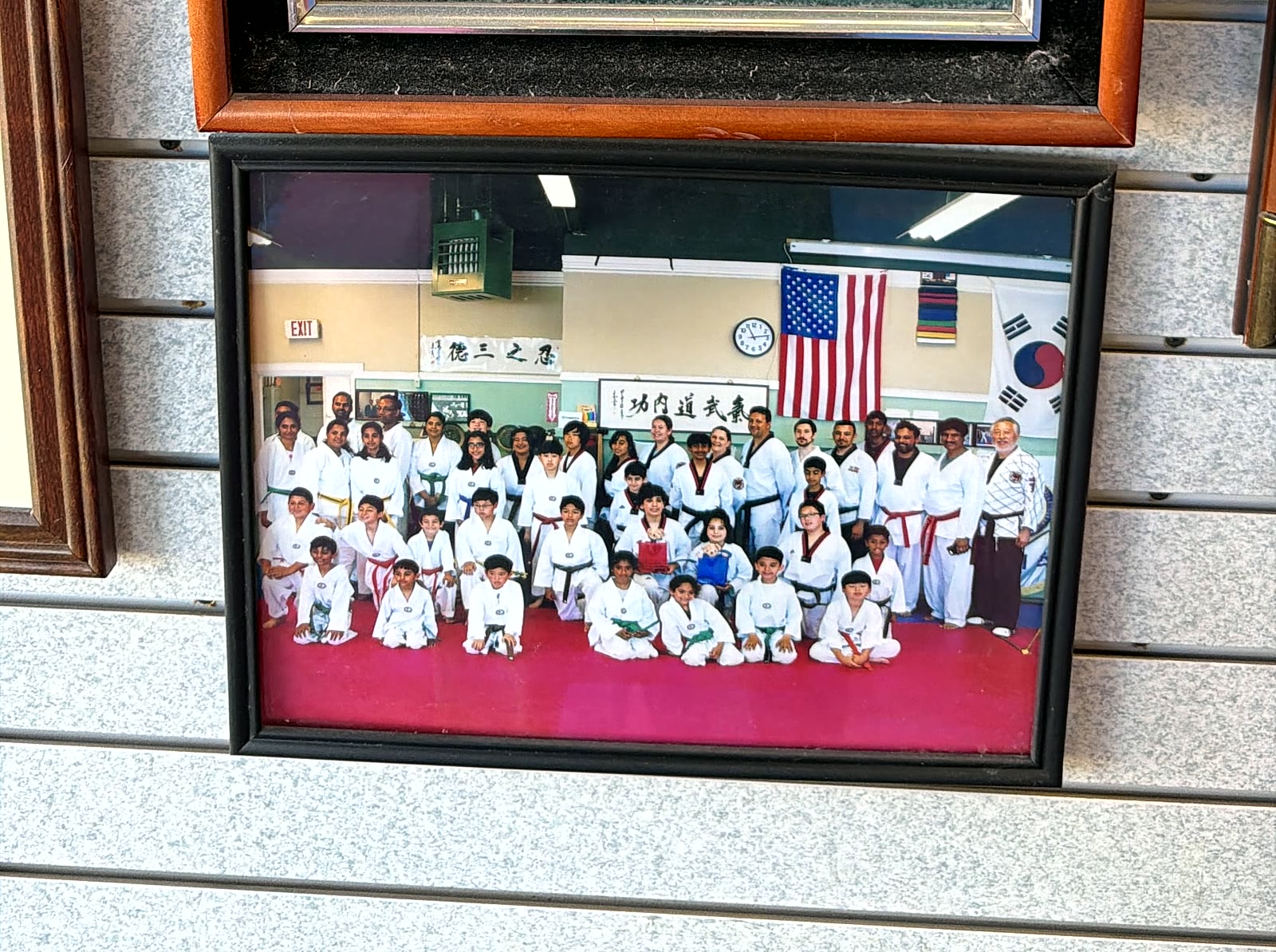
When comparing martial arts class size in Santa Clara, it is tempting to assume that smaller is always better or that a busy room automatically means strong training. Neither conclusion follows from headcount alone. The more useful question is how a class is organized and whether you can understand the instruction, take part comfortably, and get your questions answered.
Start with what you want from training
Before you compare class formats, name the reason you are looking. Perhaps you are exploring Taekwondo or Hapkido, interested in self-defence, or curious about competition training. Your goal helps you ask relevant questions instead of choosing a school based only on how many people happen to be in one session.
Think about the kind of guidance you would value. Do you want explanations before trying a movement? Do you want to understand how feedback is offered? Are you interested in practicing with a partner, or would you first like to understand the class structure? These are reasonable questions for any prospective student, and the answers can help you decide whether a particular learning environment makes sense for you.
Why headcount is only one factor
A class headcount can influence the way time, floor space, and instruction are shared, but it does not tell the whole story. A smaller class is not automatically a better fit if the instruction does not match your goals. A larger group is not automatically unsuitable if the organization is clear and you know how to ask for guidance.
It can help to ask how the school describes the typical class size and whether it varies by class or training focus. Avoid relying on a single observation as a guarantee about every visit. The group you see on a trial day may not represent every session, so ask how to get accurate, current information about the particular class you are considering.
Observe how instruction reaches the room
During a visit, notice whether directions are clear enough for you to follow and whether students appear to know where to focus. If the class practices different activities at once, ask how participants know what to do. You are not judging an instructor from one moment; you are gathering information about communication and organization.
If you are new to a movement or unfamiliar with martial arts terminology, see whether there is a way to ask for a repeat or clarification. Ask how the instructor offers feedback and how a student can signal that they have a question. These small observations help you understand what learning in that particular setting might feel like.
If partner practice is part of the activity, look for clear instructions about spacing and how participants begin. Ask what happens when a student is unsure. Do not assume that every school uses the same practice format; the instructor can explain what is appropriate for the specific class and your experience.
Questions to ask about class format
Before you attend, make a short list of questions. You might ask:
- What is the typical class size for the instruction I am interested in?
- Does the group size vary by training focus or session?
- How do students get clarification or individual feedback?
- How is the practice space organized when students work in pairs?
- What should a first-time visitor expect, and is there anything to bring?
You do not need to ask every question at once. Start with the one that matters most to you. A direct answer is more useful than an unsupported promise about the experience every student will have. If an answer uses unfamiliar terms, ask for a practical explanation.
Use a trial visit to check fit
A trial visit gives you a chance to compare what you were told with what you experience, while also giving the instructor a chance to answer your questions. Notice whether you can follow the main directions, understand the basic flow, and identify a comfortable way to ask for help. Consider whether the approach fits your goals, not whether the class looks exactly like a video or a school you have seen before.
If you have a preference about group size, say so when you contact the academy. Ask about the specific class you are considering and confirm current details directly. Class size alone does not guarantee that training will be right for you; the instructor's explanations, the class format, and your own comfort all matter.
KIMOO Martial Arts is located in Santa Clara, California, and offers Hapkido, Taekwondo, self-defence, and competition training. Contact the academy to ask how a class is organized and what current details apply to your interest. A conversation and trial visit can help you decide whether the setting is a good fit.
Frequently asked questions
Is a smaller martial arts class always better?
Not necessarily. Headcount is one consideration. Ask how the class is organized, how students can request feedback, and whether the format suits your goals.
What should I look for during a martial arts class visit?
Notice whether instructions are clear, how the practice space is used, and whether you know how to ask a question. Then discuss anything you could not tell from observing.
Should I ask about class size before booking a trial?
Yes, if it is important to your decision. Ask about the particular class you are interested in and confirm current details directly with the academy.
Does KIMOO offer a free trial class?
KIMOO welcomes prospective students to book a free trial class. Contact the academy to confirm what to expect for the class you are considering.
What training does KIMOO offer?
KIMOO Martial Arts offers Hapkido, Taekwondo, self-defence, and competition training in Santa Clara, California. Ask the academy for information about the instruction most relevant to your goals. Book a free trial class at KIMOO Martial Arts in Santa Clara to see whether the instruction and class format fit your goals, or call (408) 243-1001 with your questions.
Train with a champion
Book your free trial class at KIMOO Martial Arts in Santa Clara and train under a World Cup gold medalist.
Keep reading