Training Tips
Martial Arts Injury Prevention: Safer, Smarter Training Habits
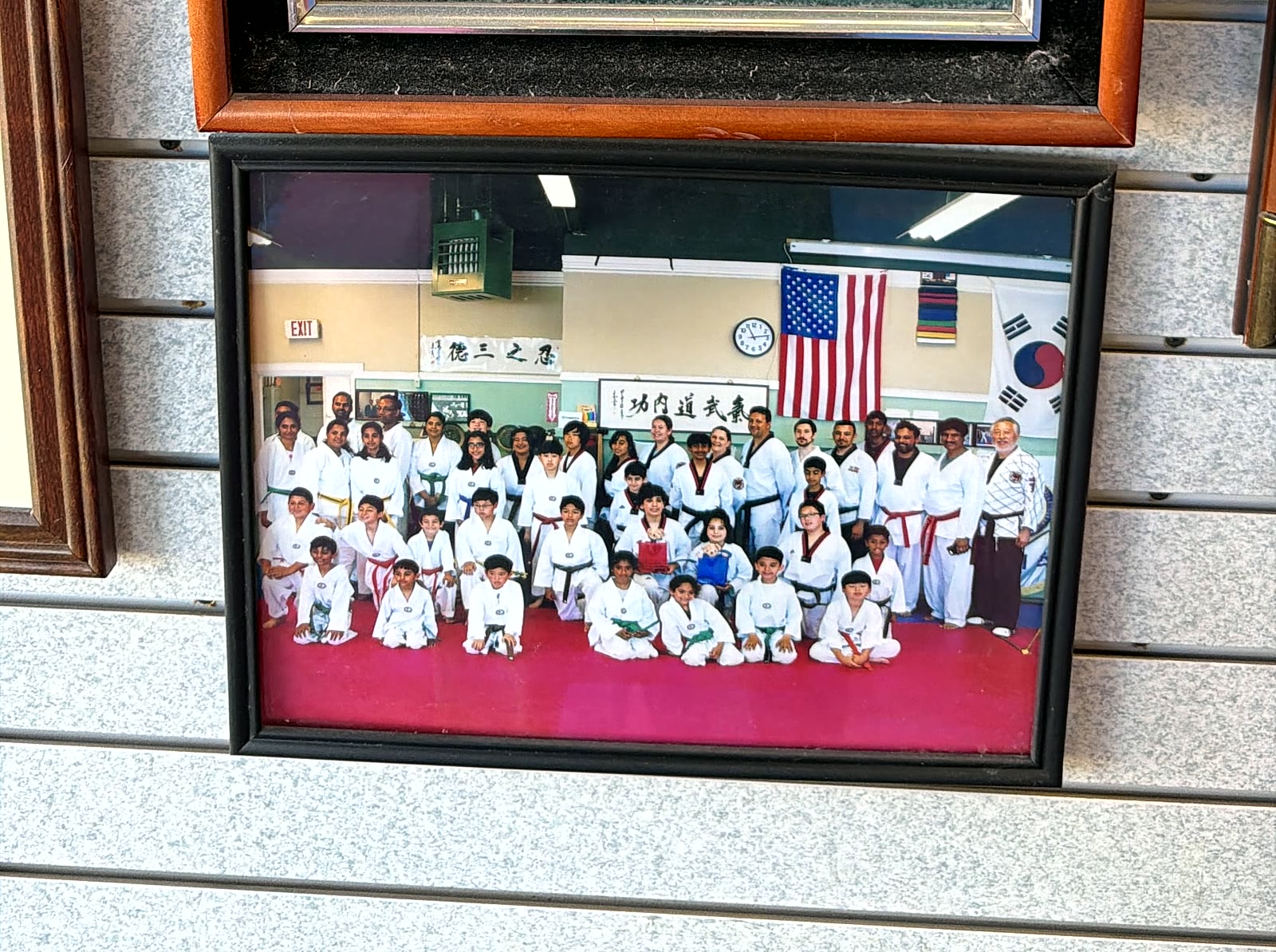
Martial arts injury prevention begins with the quality of training habits. A purposeful warm-up, clear instruction, controlled technique, and communication can make practice more considered and sustainable. No routine can remove every risk, and this article is not medical advice. It is a practical framework for asking better questions and training with care at a martial arts academy.
Prepare the body and attention
A warm-up should prepare you for the movements you are about to practise. Follow the instructor's direction rather than treating the opening minutes as an opportunity to rush. A class may use gradual movement, mobility work, or technique-specific preparation. The important point is to move with attention and allow the body to transition into training.
Preparation also includes your mental focus. Put away distractions, listen to the lesson objective, and notice how your body feels before beginning partner work. If you arrive with pain, an injury, or a physical concern, tell the instructor before participating. Clear communication allows the instructor to offer guidance about whether an exercise should be adjusted or skipped.
A cool-down can help you end a session calmly. Follow the academy's instructions, avoid forcing a stretch, and ask questions if a movement feels uncomfortable.
Build technique before intensity
Beginners often want to move quickly or use more force before they have learned the position and timing. A safer approach is to understand the shape of the movement first. Work at a pace that lets you maintain balance, posture, breathing, and control.
Ask what the instructor wants you to notice. The answer may involve foot placement, distance, alignment, or how to return to a ready position. Practising one useful detail at a time creates a clearer foundation than repeating a movement without feedback.
Intensity should serve learning. If speed or power causes you to lose control, reduce it and ask for correction. A technically precise repetition is valuable even when it looks simple.
Use partner drills responsibly
Partner practice adds a valuable training dimension, but it requires shared expectations. Before beginning, confirm who is leading, who is receiving, what contact is expected, and when the drill resets. Follow the instructor's prescribed sequence rather than adding an unplanned variation.
Communicate throughout the exercise. A partner should be able to say slow down, stop, or explain that something feels unclear. Respond immediately and without judgement. You should offer the same consideration to your partner.
Do not surprise a partner with extra force or speed. Controlled practice improves timing and coordination while respecting the person who is helping you learn. If the drill becomes confusing, pause and ask the instructor for help instead of improvising.
Respect limits and signals
Discomfort is information, not a challenge to ignore. Distinguish between the effort of learning a movement and pain that may signal a problem. If you feel pain, dizziness, unusual weakness, or uncertainty, stop safely and tell the instructor. If symptoms persist, seek appropriate medical guidance.
Avoid comparing your limits with another student's. People bring different backgrounds and needs to training. A disciplined student is not the person who refuses every adjustment. It is the person who pays attention and makes responsible choices.
An instructor cannot know what you feel unless you communicate it. Speaking up early is one of the most useful safety habits in any training environment.
Support recovery between sessions
Recovery starts with sensible decisions after class. Allow yourself time to settle, take note of anything that felt unusual, and follow general health guidance that is appropriate for you. Hydration, sleep, and nutrition are personal matters, so avoid treating a generic routine as a guarantee.
Think about training load as well. If your body is unusually tired, ask the instructor how to approach the next session. You may need a technical focus, a slower pace, or a modification. The right choice depends on your circumstances and the academy's guidance.
Keep a simple training note if it helps you identify patterns. Record the movements that felt difficult, the questions you want to ask, and any concern that should be discussed before the next class. This turns recovery into an informed conversation rather than guesswork.
Choose a culture that values safety
When comparing academies, observe whether safety is part of the teaching culture. Look for clear demonstrations, supervision during partner work, students who communicate respectfully, and instructors who correct technique before intensity escalates.
Ask how beginners are introduced to movements and what happens when a student needs a modification. A confident answer should describe practical habits, not rely on guarantees or dramatic claims.
KIMOO Martial Arts in Santa Clara offers Hapkido, Taekwondo, self-defence, and competition training. The academy is led by Grand Master Jong Yeon Hwang, who trained at the Korea Hapkido Headquarters Dojang from 1971 and holds 8th Dan Hapkido. He won Gold at the 10th Wushu World Cup in Milan in 2005. These verified facts provide context for KIMOO's martial arts heritage, while your visit lets you evaluate the teaching environment directly.
Keep prevention practical
Injury prevention is not one special exercise. It is the combined effect of warming up with purpose, learning technique progressively, communicating with partners, respecting limits, and asking for help. These habits are useful whether your interest is Hapkido, Taekwondo, self-defence, or competition training.
Focus on what you can control in each session. Arrive prepared, listen closely, practise with restraint, and finish with enough awareness to notice how you feel. A consistent approach supports better learning and a more respectful class for everyone.
Frequently asked questions
Does a warm-up prevent every martial arts injury?
No. A warm-up prepares you for activity, but no routine removes every risk. Follow the instructor's direction, use controlled technique, and communicate concerns.
Should I train through pain?
Do not ignore pain. Stop safely, tell the instructor, and seek appropriate medical guidance when needed. Ask whether the movement can be modified.
How can partner drills be made safer?
Agree on roles, pace, contact, and reset signals. Use control, avoid surprises, and pause immediately when either partner is uncertain or uncomfortable.
Is faster practice better practice?
Not always. Build the movement slowly enough to maintain balance, posture, timing, and control. Add speed only when the instructor considers it appropriate.
What should I ask a martial arts academy about safety?
Ask how new students learn fundamentals, how partner drills are supervised, and what a student should do when an exercise causes concern. Look for concrete answers. Want to build smart habits in a focused training environment? Book a free trial class at KIMOO Martial Arts in Santa Clara, or call (408) 243-1001.
Train with a champion
Book your free trial class at KIMOO Martial Arts in Santa Clara and train under a World Cup gold medalist.
Keep reading