Choosing a Dojo
How to Choose Martial Arts Classes Near Me in Santa Clara
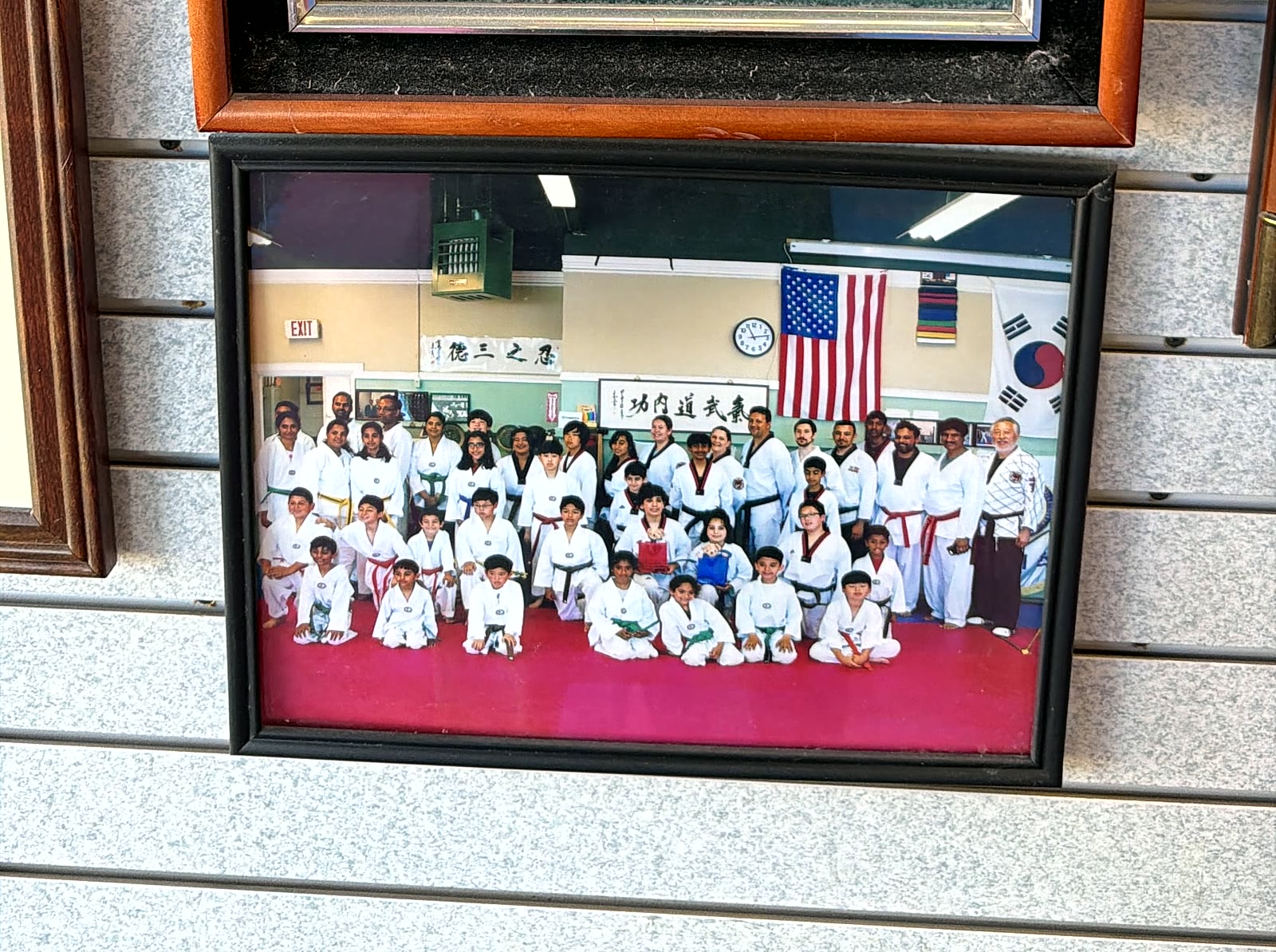
When you search for martial arts classes near me in Santa Clara, the results can look similar at first glance. A better choice comes from looking beyond a name or a convenient search listing. Consider what you want to learn, how the lesson is taught, how students practise together, and whether the academy gives you clear answers before you begin.
This guide offers a calm, practical way to compare options. You do not need martial arts experience to use it. Start with your goals, observe the learning environment, and choose a path you can approach with confidence.
Start with the reason you are searching
Write down the main reason you want to train. You may be interested in Hapkido, Taekwondo, self-defence, competition training, or the discipline of a regular martial arts practice. You may want to explore a traditional Korean martial art or develop more control in movement.
There is no need to create a perfect long-term plan before your first visit. A simple goal gives an instructor useful context. It also helps you judge whether a class explains the kind of learning you are seeking.
Look for a clear class purpose
A well-organised lesson should have a reason behind its activities. Observe whether the instructor sets a focus, demonstrates the material, gives students time to practise, and offers useful feedback. The specific exercises will change by discipline and level, but the teaching should feel intentional.
Ask how a new student learns fundamental movements. Good instruction does not depend on making someone feel behind. It makes the purpose of practice understandable and gives the student a sensible way to improve.
Evaluate how people are taught
Watch the instructor’s communication. Are demonstrations easy to follow? Are explanations adapted when a student needs another approach? Does feedback address practical details such as balance, timing, posture, control, or distance?
Also watch the students. A focused class can still be warm and welcoming. Look for students who listen, practise with attention, and respond respectfully to instruction. An academy’s teaching culture is often visible in these small details.
Ask about safety and partner practice
Some martial arts lessons involve partners, shared space, and drills that require careful control. Ask how students communicate with partners and how the intensity of an exercise is managed. You can also ask how beginners are introduced to partner work.
A responsible class treats safety as part of skill, not as an afterthought. During a visit, notice whether students follow instructions, respect personal space, and understand when to slow down. Serious training does not require careless training.
Compare disciplines by purpose
KIMOO Martial Arts offers Hapkido, Taekwondo, self-defence, and competition training in Santa Clara, California. Ask an instructor to explain which path may fit your goal. You can discuss how fundamentals are introduced, what responsible self-defence practice involves, and how competition training differs from a general class.
The question is not which discipline is universally best. The useful question is which kind of practice you are ready to explore. A clear conversation lets you make a considered choice rather than relying on a label alone.
Consider experience and character
An academy’s background can add helpful context. Grand Master Jong Yeon Hwang trained at the Korea Hapkido Headquarters Dojang from 1971 and holds 8th Dan Hapkido. He won Gold at the 10th Wushu World Cup in Milan in 2005. He received the President’s Volunteer Service Award, a White House honor, in 2023.
KIMOO received Santa Clara District 2 Business of the Year in 2019. These are verified points about the academy’s history and recognition. Your decision should still include observing a class and asking how that experience informs everyday instruction.
Make the first visit useful
A free trial class gives you a direct view of the training environment. Before you attend, ask what to expect and what you should bring. During the lesson, note whether the instructions are clear and whether the pace lets you understand what you are practising.
Afterward, write down four observations: how well the lesson matched your goal, how clearly material was taught, how partners and space were handled, and whether you felt comfortable asking a question. This turns a quick visit into useful research.
Choose with clarity, not pressure
A thoughtful enrolment decision should be based on information. Ask about anything you do not understand, and take time to consider the fit. Be cautious of guaranteed outcomes or pressure to commit before you have a clear picture of the training.
The right academy will help you understand its approach. You should leave a first conversation knowing what you are learning, why it matters, and what the next step is.
Frequently asked questions
What should I search for besides martial arts classes near me?
Look for the discipline, training purpose, and location that match your needs. Then evaluate the class structure, teaching quality, safety habits, and the answers you receive before visiting.
How do I decide between Hapkido and Taekwondo?
Ask what each class emphasises and how fundamentals are taught. Your goals can guide the conversation, whether you are interested in self-defence, traditional practice, or competition training.
What can I learn from a free trial class?
You can observe how the instructor explains material, how students practise together, and whether the environment feels focused and respectful. Use the visit to ask informed questions.
What safety questions should I ask?
Ask how partner drills are introduced, how students communicate, and how exercises are adjusted for control. Clear answers are a useful part of comparing academies.
Is the closest academy always the best choice?
Convenience matters, but it is only one factor. Consider teaching, safety, discipline fit, and the quality of the first conversation as well.
How can I prepare for my first visit?
Bring your questions and be ready to share your training goal. You do not need to pretend you already know martial arts. A first visit is a chance to learn. If you are ready to explore a focused training environment, book a free trial class at KIMOO Martial Arts in Santa Clara or call (408) 243-1001.
Train with a champion
Book your free trial class at KIMOO Martial Arts in Santa Clara and train under a World Cup gold medalist.
Keep reading