Training Tips
Martial Arts Breakfall Training: Why Safe Falling Matters
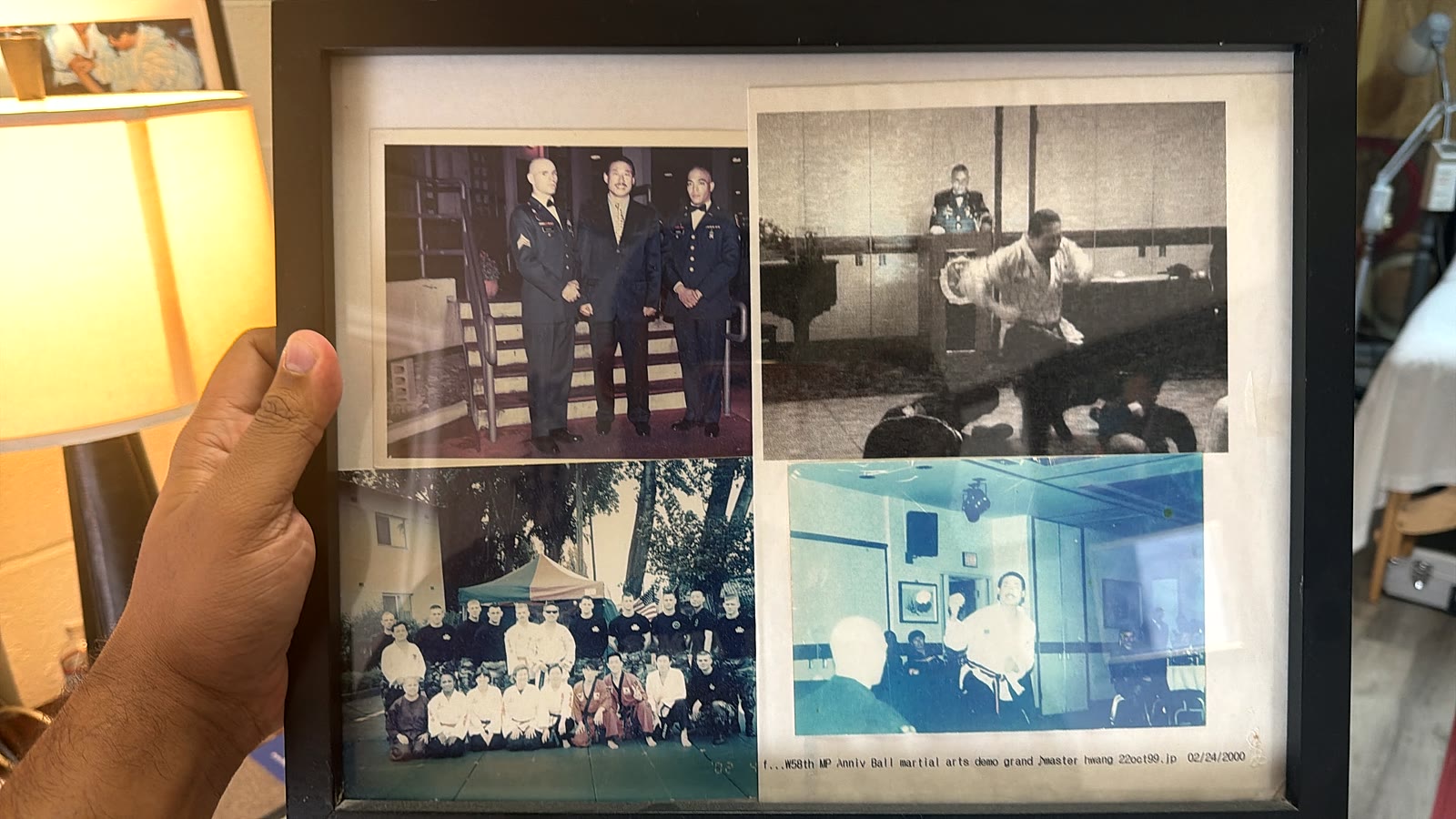
Martial arts breakfall training is the study of how to respond when balance changes and the body moves toward the ground. It is not about making a fall look dramatic. It is about learning awareness, timing, body position, and control under instruction. For students exploring Hapkido or self-defence, safe falling can be an important movement question to discuss with a qualified instructor.
Interest in martial arts-based safe-falling programmes has also appeared in recent research, which makes this a useful time to look at the subject carefully. Research interest is not a guarantee of a particular result. Good practice still depends on progressive teaching, communication, and responsible decision-making.
What a breakfall is meant to teach
A breakfall, sometimes called ukemi in martial arts contexts, is a way of organising the body during a fall or controlled descent. The exact technique depends on the discipline and the instruction. Students may study how to protect the head, manage the direction of movement, and use an appropriate contact pattern rather than reaching out unpredictably.
The first lesson is not to throw yourself to the floor. It is to understand the positions and transitions that an instructor has chosen for your level. Ask what the exercise is designed to teach before attempting it.
Begin with awareness and position
A safe learning process starts before the body reaches the ground. Notice your balance, the direction of movement, and the position of your head and limbs. Follow the instructor's demonstration and ask for a slower explanation when a detail is unclear.
Keep the focus narrow. You may study how to turn, how to lower the body, or how to finish in a stable position. Trying to remember every instruction at once can make a new movement harder to understand.
Progress from simple to complex
Breakfall training should be progressive. An instructor may begin with low positions or controlled movements before introducing more demanding variations. The sequence should be explained rather than treated as a test of bravery.
Do not copy an advanced demonstration without guidance. A movement that looks simple can involve timing and coordination that take practice to understand. Ask when you are ready to progress and what detail should remain consistent as the exercise changes.
Use the surface and setting responsibly
The training surface matters, but a soft surface does not make every fall appropriate. Mats and other equipment can support instruction, yet they do not remove the need for coaching. Make sure you understand the exercise, the available space, and the direction of movement before beginning.
Avoid practising breakfalls on a hard floor or improvising a drill alone. If you are unsure whether a movement is suitable, wait and ask. Responsible training protects the quality of learning and the people sharing the space.
Treat partner work as communication
Some breakfall exercises are solo, while others involve a partner creating a controlled change in balance. Partner practice requires clear signals, agreed boundaries, and the ability to stop. Neither partner should add speed or force without instruction.
Listen to the person you are training with and speak up when you need a reset. The purpose is to study safe movement, not to surprise or overwhelm a partner. An attentive partner makes it easier to notice timing and positioning.
Connect breakfalls with broader skill
Safe falling is one part of movement awareness. It can invite students to think about balance, recovery, distance, and what happens after a change in position. Those questions can connect with Hapkido, self-defence study, and other martial arts training, depending on the academy's curriculum.
KIMOO Martial Arts offers Hapkido, Taekwondo, self-defence, and competition training in Santa Clara, California. Ask the instructor how falling and recovery are addressed in the discipline you want to study. Do not assume that every class uses the same method or terminology.
Know when to pause
A sharp pain, dizziness, fear that you cannot communicate, or uncertainty about a movement is a reason to pause and speak with the instructor. Do not treat discomfort as proof that training is working. If you have an injury or medical concern, seek advice from a qualified healthcare professional before exercising.
The goal of a premium learning environment is not to rush students through impressive-looking movements. It is to build understanding with control, respect, and a clear progression. Patience is part of technical training.
Learn about KIMOO Martial Arts
KIMOO Martial Arts is located in Santa Clara, California. Grand Master Jong Yeon Hwang trained at the Korea Hapkido Headquarters Dojang from 1971 and holds 8th Dan Hapkido. He won Gold at the 10th Wushu World Cup in Milan in 2005. He received the President's Volunteer Service Award, a White House honor, in 2023. KIMOO received Santa Clara District 2 Business of the Year in 2019.
These verified facts provide context about the academy and its leadership. A trial class can help you ask how movement, balance, and safe instruction are handled in practice.
Frequently asked questions
Is breakfall training the same in every martial art?
No. Terminology, technique, and progression can vary. Ask the instructor how the discipline you are studying approaches falling and recovery.
Can I learn breakfalls from a video?
A video may introduce vocabulary, but it cannot replace qualified coaching, a suitable surface, and feedback. Do not practise a new fall on a hard floor or without understanding the progression.
Do breakfalls mean I should practise being thrown?
Not automatically. Follow the instructor's sequence. Controlled solo movement may come before any partner exercise, and you should not add force or speed without direction.
What should a partner do during a falling drill?
Communicate clearly, follow the agreed exercise, maintain control, and stop when either person asks for a reset. Partner work is a shared responsibility.
What if I feel pain during practice?
Pause immediately and tell the instructor. If the concern is medical or persists, seek advice from a qualified healthcare professional rather than forcing the movement.
How can I choose a class that teaches safe falling responsibly?
Ask about the progression, demonstrations, practice surface, partner communication, and how the instructor responds to questions. Clear answers are a positive sign of thoughtful teaching. Ready to explore movement with care and confidence? Book a free trial class at KIMOO Martial Arts in Santa Clara or call (408) 243-1001.
Train with a champion
Book your free trial class at KIMOO Martial Arts in Santa Clara and train under a World Cup gold medalist.
Keep reading