Poomsae vs Kyorugi: Two Taekwondo Competition Formats
September 27, 20266 min readKIMOO Martial Arts
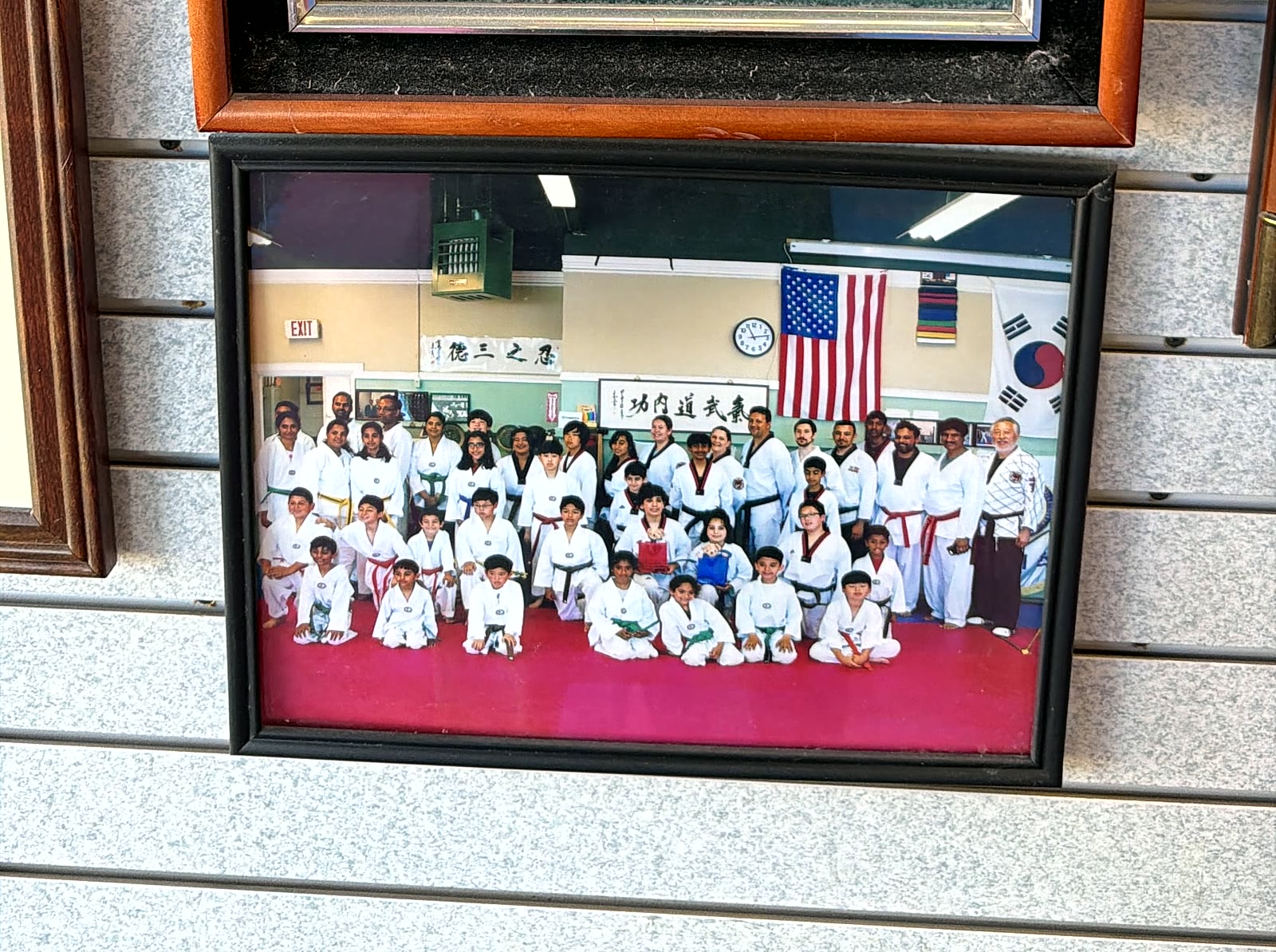
A group from a martial arts class gathered together

If you have seen Taekwondo discussed as both forms and sparring, you have come across two different competition formats. Poomsae uses pre-arranged movement sequences, while kyorugi is sparring between two competitors. Understanding the difference can make a news report or a conversation about Taekwondo training easier to follow. The distinction is especially visible at the 2026 Asian Games, where the official schedule lists both disciplines.

What is poomsae?

Poomsae refers to patterns of movements and techniques practiced in a pre-arranged sequence. In competition, attention centers on the presentation of that sequence rather than on a live exchange between two opponents. A viewer can follow the competitor's movement from start to finish and consider the performance as a complete pattern.

For someone exploring Taekwondo, the key point is that forms are structured. They are not the same thing as spontaneous sparring. If you are interested in learning or competing in poomsae, ask an instructor what the school's instruction includes, how a student learns a sequence, and which rules apply to any event you have in mind. Do not assume every Taekwondo school offers a specific competition path.

What is kyorugi?

Kyorugi is sparring between two competitors. It is an interactive format, so each person has an opponent in front of them rather than a pre-arranged sequence to perform alone. The exchange, the rules of the event, and the competitors' responses are part of what a viewer watches.

There is not one universal set of event details for every Taekwondo school or tournament. If you are watching a particular competition, check the rules and event information for that organization. If you are considering classes, ask which type of training the school offers and how you would find out whether competition participation is relevant to your goals.

Poomsae vs kyorugi: the practical difference

A simple way to remember the terms is that poomsae is about a prescribed sequence, while kyorugi is about sparring with another competitor. That difference changes what the format looks like to a spectator and what a student should ask about before starting event-specific training.

This comparison does not make one format more valuable than the other. They are different ways Taekwondo can be presented in competition. A person might be curious about forms, sparring, the martial art generally, or whether an academy offers competition training. Begin with the interest you actually have, then ask what instruction is available instead of assuming that all Taekwondo programs prepare students for the same event.

Why both terms are timely in 2026

The official Olympics.com schedule for the 20th Asian Games in Aichi-Nagoya lists Taekwondo with Kyorugi and Poomsae as disciplines. The Games run from September 19 to October 4, 2026. That makes the distinction useful for spectators following the competition now. The schedule identifies both categories, while each event's own rules and program explain its specific format.

Seeing both names on a major event programme does not mean every local academy teaches both competition disciplines. Programs may differ, so treat the event listing as a reason to ask precise questions, not as evidence about a particular school's curriculum. If the word "competition" appears in a school description, ask whether it refers to poomsae, kyorugi, another format, or a combination, and request current details.

How to explore Taekwondo training locally

If your interest is forms, sparring, or simply learning Taekwondo, describe that goal when you contact an academy. Ask who can explain the class options, what a prospective student can expect, and whether the school offers competition training in the format you are curious about. These questions help you find out whether your interest matches the current instruction.

KIMOO Martial Arts is located in Santa Clara, California, and offers Taekwondo and competition training, as well as Hapkido and self-defence. The verified information does not specify whether its competition training includes poomsae, kyorugi, or both. Ask the academy directly about the current options that align with your interest. A clear answer will help you choose an appropriate next step without confusing broad discipline names with a particular competition pathway.

Frequently asked questions

What does poomsae mean in Taekwondo?

Poomsae refers to patterns of movements and techniques practiced in a pre-arranged sequence. It is distinct from a sparring match between two competitors.

What does kyorugi mean?

Kyorugi is the Taekwondo term for sparring between two competitors. Check the rules of the specific event to understand its format.

Are poomsae and kyorugi both part of the 2026 Asian Games?

Yes. The official Olympics.com schedule lists both Poomsae and Kyorugi under Taekwondo for the Aichi-Nagoya 2026 Asian Games, which run from September 19 to October 4.

Does KIMOO offer training in both formats?

KIMOO offers Taekwondo and competition training. The available verified information does not specify which Taekwondo competition formats are included, so ask the academy directly.

What should I ask if I want to compete in Taekwondo?

Ask which competition format the academy prepares students for, what its current instruction includes, and what rules govern the event you are considering. Confirm all current program details with the academy. If you would like to explore Taekwondo in person, book a free trial class at KIMOO Martial Arts in Santa Clara or call (408) 243-1001 to ask about its current training options.

Train with a champion

Book your free trial class at KIMOO Martial Arts in Santa Clara and train under a World Cup gold medalist.

Martial Arts Class Size in Santa Clara: What to Ask→Virtual Taekwondo at Asian Games 2026: How It Works→Hapkido Instructor in Santa Clara: What Credentials Can Tell You→Martial Arts Training Plateau: How to Find a Productive Next Step→Hapkido Self-Defence in Santa Clara: Questions to Ask Before You Choose→Taekwondo at LA 2028: Events, Classes, and What to Know→Adult Taekwondo Classes in Santa Clara: How to Choose→Martial Arts and Cognitive Engagement: What Recent Research Says→Martial Arts Classes for Caregivers in Santa Clara: What to Consider→Open-Skill Martial Arts Training: Why Adaptability Matters→Martial Arts Classes for Teachers in Santa Clara: A Thoughtful Guide→Representative Martial Arts Training: A Practical Guide→Martial Arts Classes for Shift Workers in Santa Clara: What to Ask→Travel Safety Martial Arts Classes in Santa Clara: What to Ask→External Focus in Martial Arts Training: A Practical Guide→Kids Martial Arts Classes in Santa Clara: A Parent's Guide→Guided Discovery in Martial Arts Training: A Practical Guide→Martial Arts Resilience Training: Build a Steadier Practice→Martial Arts for Personal Safety in Santa Clara: What to Ask→Deliberate Practice in Martial Arts: A Smarter Way to Train→Adult Hapkido Training in Santa Clara: What to Ask→Private Martial Arts Lessons in Santa Clara: Questions to Ask→Ecological Dynamics in Martial Arts Training: A Practical Guide→Martial Arts Interoception: Learn to Notice Your Body→Martial Arts Classes for New Residents in Santa Clara→Martial Arts Social Connection: How Shared Practice Works→Martial Arts Classes for Seniors in Santa Clara: What to Ask→Martial Arts Classes for Parents in Santa Clara: A Practical Guide→Martial Arts Breakfall Training: Why Safe Falling Matters→Martial Arts Classes for Adults Returning to Exercise in Santa Clara→Embodied Martial Arts Training: Learn Through Movement→Martial Arts Prehab: A Smarter Way to Prepare for Training→How to Choose Martial Arts Classes for Runners in Santa Clara→Martial Arts Video Analysis: Use Recording with Purpose→How to Choose Martial Arts Classes for Tech Professionals in Santa Clara→Martial Arts Coaching Feedback: How to Improve with Purpose→How to Choose Martial Arts Classes for College Students in Santa Clara→Martial Arts Warm-Up Drills for Focused, Safer Practice→How to Choose Martial Arts Classes for Couples in Santa Clara→How to Choose Taekwondo Competition Training in Santa Clara→Augmented Reality Martial Arts Training: What Students Should Know→Martial Arts Peripheral Vision Training: A Practical Guide→How to Compare a Martial Arts Class Schedule in Santa Clara→How to Choose Self-Defence Classes for Beginners in Santa Clara→Martial Arts Distance Management: Train Position with Purpose→Martial Arts Training Load Management: Train with Purpose→How to Choose Martial Arts Classes Near Me in Santa Clara→Strength Training for Martial Artists: A Balanced Guide→How to Choose Martial Arts Classes Near Santa Clara→Martial Arts Training Apps: A Smart Guide for Students→How to Choose a Martial Arts Instructor in Santa Clara→Martial Arts Rhythm Training: Build Better Timing→Martial Arts Class Cost in Santa Clara: Questions to Ask→Martial Arts Skill Retention: How to Remember What You Learn→Back-to-School Martial Arts in Santa Clara: A Family Guide→Wearable Technology for Martial Arts: A Smart Training Guide→Martial Arts Belt Testing in Santa Clara: What to Ask→How to Choose Martial Arts Classes After Work in Santa Clara→Gamification in Martial Arts Training: Use Play with Purpose→Martial Arts Classes for Stress Relief in Santa Clara: How to Choose→AI Martial Arts Training in 2026: What Technology Can Do→Martial Arts Coordination Classes in Santa Clara: What to Look For→Constraint-Led Martial Arts Training: A Practical Introduction→Slow Martial Arts Practice: Why Precision Comes First→Martial Arts Training Goals in Santa Clara: Find Your Fit→Self-Defence Training for Commuters in Santa Clara→Martial Arts Situational Awareness: A Practical Training Guide→Martial Arts Decision-Making Under Pressure: Train the Process→Your First Martial Arts Class in Santa Clara: A Simple Guide→Martial Arts Footwork Training: Build Better Movement Habits→Martial Arts Classes for Teens in Santa Clara: A Parent's Guide→Martial Arts Training Recovery: A Smarter Way to Practise→Adult Martial Arts Training in Santa Clara: How to Choose Well→Martial Arts School Comparison in Santa Clara: A Practical Guide→Martial Arts Motor Learning: How Skills Become More Precise→Martial Arts Proprioception Training for Better Body Awareness→How to Choose a Korean Martial Arts Academy in Santa Clara→Martial Arts Self-Regulation: Train Attention with Purpose→How to Choose Martial Arts for Confidence in Santa Clara→Choosing Taekwondo Self-Defence Training in Santa Clara→Martial Arts Goal Setting for More Purposeful Training→How to Choose Taekwondo Fitness Training in Santa Clara→Martial Arts Mental Rehearsal for More Focused Practice→How to Choose Martial Arts for Fitness in Santa Clara→Martial Arts Cross-Training: How to Combine Skills with Purpose→How to Choose Women's Self-Defence Classes in Santa Clara→Martial Arts Injury Prevention: Safer, Smarter Training Habits→Martial Arts Etiquette for Beginners: A Practical Guide→Family Martial Arts in Santa Clara: How to Choose a Dojo→How to Choose a Martial Arts Trial Class in Santa Clara→Martial Arts Partner Drills: How to Train with Purpose→Martial Arts Forms Training: How to Practise with Purpose→Hapkido Classes in Santa Clara: A Guide for New Students→What to Look for in Taekwondo Classes in Santa Clara→Martial Arts Reaction Time Training: A Smarter Way to Practise→Martial Arts Breathing Techniques for Better Training→How to Find Beginner Martial Arts Training in Santa Clara→Martial Arts Mobility and Balance Training for Everyday Movement→How to Choose Competition Martial Arts Training in Santa Clara→How Martial Arts Builds Focus and Discipline→How to Choose Adult Self-Defence Classes in Santa Clara→Hapkido vs Taekwondo: Which Martial Art Is Right for You?→How to Choose the Best Martial Arts Dojo in Santa Clara→