Martial Arts Decision-Making Under Pressure: Train the Process
August 24, 20266 min readKIMOO Martial Arts
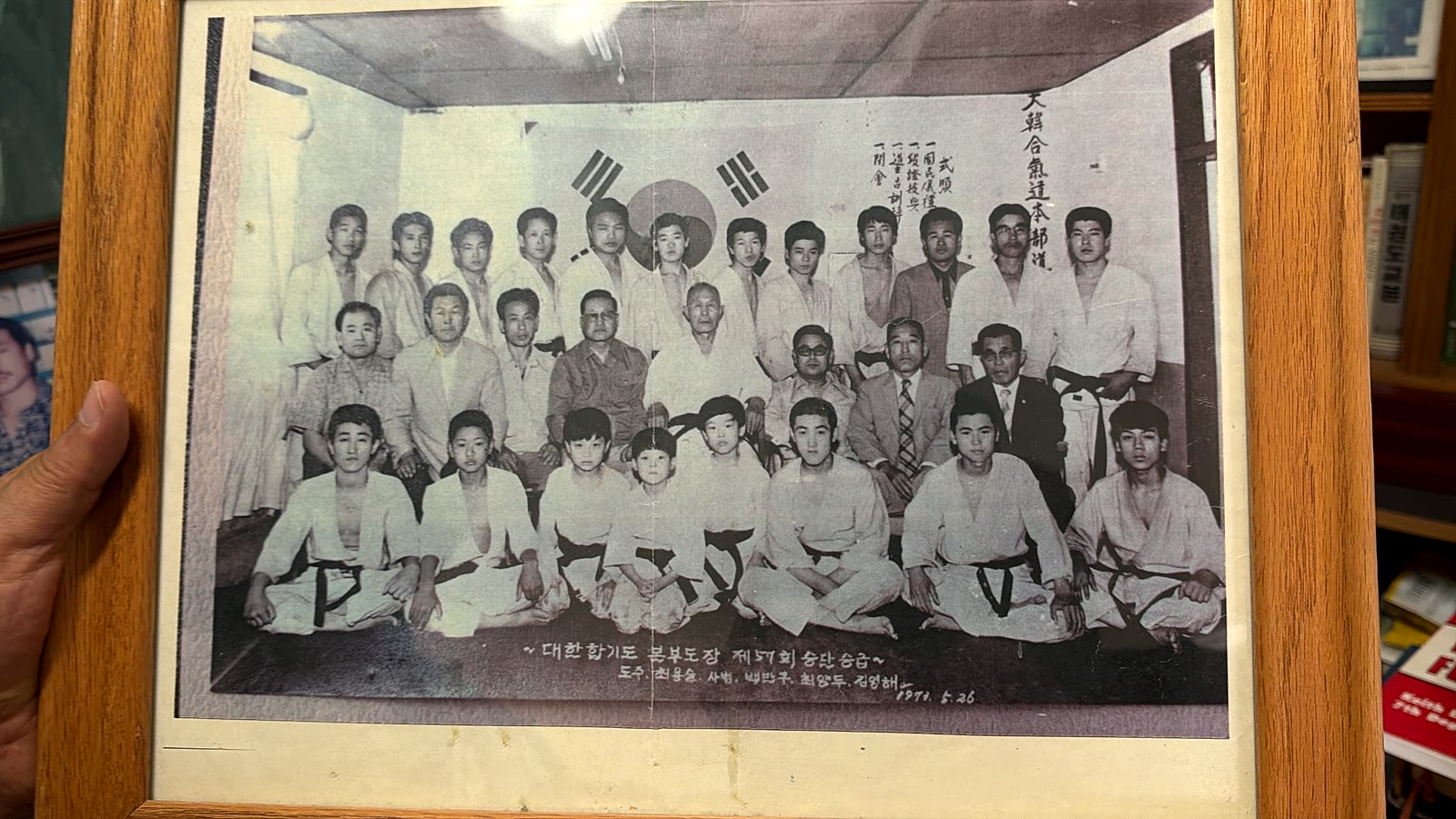
Historical Hapkido training image from the Korea Headquarters Dojang

Martial arts decision-making under pressure is not the same as memorising more techniques. When timing changes and attention narrows, a long list of options can become difficult to use. Effective training builds a process: notice what is happening, choose a proportionate response, act with control, and review the result.

This process can support Hapkido, Taekwondo, self-defence, and competition training in different ways. It does not guarantee success in a confrontation or competition. It gives a student a disciplined way to learn from controlled practice without confusing training scenarios with real life.

Start with awareness before action

The first decision is often whether action is needed at all. In a drill, awareness may mean recognising a partner’s movement, noticing a change in distance, or listening for an instructor’s signal. In a broader self-defence context, awareness can include observing surroundings and identifying an opportunity to create space or leave.

Do not make awareness dramatic. Train yourself to notice simple, relevant information. Where is the other person? What direction are they moving? Is the distance changing? What instructions apply to this exercise?

A calm observation gives the next decision a stronger foundation than an automatic rush.

Reduce choices to clear principles

Under pressure, simple choices are easier to recall than a catalogue of responses. An instructor can design a drill around one question, such as whether to maintain distance, change an angle, protect a position, or reset. The point is not to remove judgment. The point is to make judgment easier to practise.

When learning a new pattern, ask what problem the movement is solving. This connects the technique to a purpose without pretending that one response works in every situation. A useful principle should guide attention, not replace it.

As skill develops, the instructor can introduce changes in timing, direction, or partner behaviour. Each change should have a learning purpose.

Train with controlled uncertainty

A perfectly predictable drill tests memory. A carefully varied drill can test perception and choice. Variation should be introduced gradually. Change one factor at a time so the student can identify what they noticed and why they responded.

Partner training requires agreement about pace, contact, and stopping. Both people should know the boundaries of the exercise. If confusion appears, pause and ask for a reset. Pressure is useful only when students can learn from it safely and clearly.

In competition training, controlled variation may help a practitioner respond to changing timing and movement. In self-defence training, it should remain responsible and never be presented as a promise about a real encounter.

Keep the first response purposeful

A response can be technically impressive yet poorly timed. Encourage a simple standard: can you explain why you chose that action? If the answer is unclear, slow the exercise and return to the relevant cue.

Purposeful movement also includes knowing when not to continue. A reset can be a good decision when instructions are unclear, balance is lost, or the drill has moved outside its agreed boundaries. Stopping with control is not failure. It is information about what to practise next.

This mindset changes pressure from a performance contest into a learning environment.

Use breathing and attention as anchors

Breathing cannot remove pressure, but a steady breath can help you notice whether you are rushing or holding tension. During a technical drill, use the instructor’s count or a natural rhythm as an anchor. Keep your attention on the relevant cue instead of trying to predict every possible outcome.

If the exercise becomes too fast to understand, communicate and ask for a slower progression. Precision under manageable pressure is more educational than frantic repetition. The goal is to build an adaptable habit of attention.

Review the decision, not just the result

After a drill, ask four questions:

1. What did I notice first? 2. What choice did I make? 3. What happened after that choice? 4. What information did I miss?

This review should be specific and non-judgmental. You may discover that your feet were too close, your attention went to the wrong cue, or you acted before identifying the task. Each answer suggests a focused next repetition.

An instructor’s feedback adds an outside perspective. Invite a correction and try it again at a manageable speed. Review turns experience into usable learning.

Learn within a strong martial arts tradition

KIMOO Martial Arts is located in Santa Clara, California and offers Hapkido, Taekwondo, self-defence, and competition training. Grand Master Jong Yeon Hwang trained at the Korea Hapkido Headquarters Dojang from 1971 and holds 8th Dan Hapkido.

He won Gold at the 10th Wushu World Cup in Milan in 2005. Grand Master Hwang received the President’s Volunteer Service Award, a White House honor, in 2023. This leadership background provides context, while deliberate practice keeps decision-making grounded in attention, responsibility, and clear instruction.

Frequently asked questions

What does martial arts decision-making under pressure mean?

It means noticing relevant information, selecting a purposeful response, acting with control, and reviewing the choice. It is a trainable process, not a guarantee of a particular outcome.

Is decision-making the same as reaction time?

No. Reaction time concerns how quickly someone responds to a cue. Decision-making includes identifying the cue, choosing an action, and understanding whether continuing or resetting is appropriate.

How can beginners practise decisions safely?

Use instructor-led drills with clear boundaries, a manageable pace, and agreed stopping signals. Change one variable at a time and ask questions when the exercise is unclear.

Should I memorise many techniques for pressure situations?

Prioritise understanding a small number of foundational principles before adding complexity. An instructor can help you connect techniques to the problem each drill is designed to teach.

Can breathing guarantee that I will stay calm?

No. Breathing can be an attention anchor, but it cannot guarantee a particular emotional or physical response. Use it alongside clear instruction and responsible training habits.

How does review improve training?

Review identifies what you noticed, chose, and missed. That information allows you and your instructor to select a specific adjustment for the next repetition. Build better choices one deliberate repetition at a time. Book a free trial class at KIMOO Martial Arts in Santa Clara, or call (408) 243-1001.

Train with a champion

Book your free trial class at KIMOO Martial Arts in Santa Clara and train under a World Cup gold medalist.

World Taekwondo Grand Prix Paris 2026: Dates and Format→Martial Arts Classes for Introverts in Santa Clara: A First-Visit Guide→Martial Arts and Nonviolence: Training with Restraint→Changing Martial Arts Schools in Santa Clara: Questions to Ask→Martial Arts Flexibility Training: Build Range with Control→Accessible Martial Arts Classes in Santa Clara: What to Ask→Martial Arts Membership in Santa Clara: Questions Before You Join→Martial Arts and Bullying Prevention: A Responsible Guide for Families→Martial Arts Gear in Santa Clara: What to Ask Before You Buy→Hydration for Martial Arts Training: A Practical Guide→De-escalation and Self-Defence Training in Santa Clara: What to Ask→Martial Arts Training Journal: A Simple Post-Class Guide→Poomsae vs Kyorugi: Two Taekwondo Competition Formats→Martial Arts Class Size in Santa Clara: What to Ask→Virtual Taekwondo at Asian Games 2026: How It Works→Hapkido Instructor in Santa Clara: What Credentials Can Tell You→Martial Arts Training Plateau: How to Find a Productive Next Step→Hapkido Self-Defence in Santa Clara: Questions to Ask Before You Choose→Taekwondo at LA 2028: Events, Classes, and What to Know→Adult Taekwondo Classes in Santa Clara: How to Choose→Martial Arts and Cognitive Engagement: What Recent Research Says→Martial Arts Classes for Caregivers in Santa Clara: What to Consider→Open-Skill Martial Arts Training: Why Adaptability Matters→Martial Arts Classes for Teachers in Santa Clara: A Thoughtful Guide→Representative Martial Arts Training: A Practical Guide→Martial Arts Classes for Shift Workers in Santa Clara: What to Ask→Travel Safety Martial Arts Classes in Santa Clara: What to Ask→External Focus in Martial Arts Training: A Practical Guide→Kids Martial Arts Classes in Santa Clara: A Parent's Guide→Guided Discovery in Martial Arts Training: A Practical Guide→Martial Arts Resilience Training: Build a Steadier Practice→Martial Arts for Personal Safety in Santa Clara: What to Ask→Deliberate Practice in Martial Arts: A Smarter Way to Train→Adult Hapkido Training in Santa Clara: What to Ask→Private Martial Arts Lessons in Santa Clara: Questions to Ask→Ecological Dynamics in Martial Arts Training: A Practical Guide→Martial Arts Interoception: Learn to Notice Your Body→Martial Arts Classes for New Residents in Santa Clara→Martial Arts Social Connection: How Shared Practice Works→Martial Arts Classes for Seniors in Santa Clara: What to Ask→Martial Arts Classes for Parents in Santa Clara: A Practical Guide→Martial Arts Breakfall Training: Why Safe Falling Matters→Martial Arts Classes for Adults Returning to Exercise in Santa Clara→Embodied Martial Arts Training: Learn Through Movement→Martial Arts Prehab: A Smarter Way to Prepare for Training→How to Choose Martial Arts Classes for Runners in Santa Clara→Martial Arts Video Analysis: Use Recording with Purpose→How to Choose Martial Arts Classes for Tech Professionals in Santa Clara→Martial Arts Coaching Feedback: How to Improve with Purpose→How to Choose Martial Arts Classes for College Students in Santa Clara→Martial Arts Warm-Up Drills for Focused, Safer Practice→How to Choose Martial Arts Classes for Couples in Santa Clara→How to Choose Taekwondo Competition Training in Santa Clara→Augmented Reality Martial Arts Training: What Students Should Know→Martial Arts Peripheral Vision Training: A Practical Guide→How to Compare a Martial Arts Class Schedule in Santa Clara→How to Choose Self-Defence Classes for Beginners in Santa Clara→Martial Arts Distance Management: Train Position with Purpose→Martial Arts Training Load Management: Train with Purpose→How to Choose Martial Arts Classes Near Me in Santa Clara→Strength Training for Martial Artists: A Balanced Guide→How to Choose Martial Arts Classes Near Santa Clara→Martial Arts Training Apps: A Smart Guide for Students→How to Choose a Martial Arts Instructor in Santa Clara→Martial Arts Rhythm Training: Build Better Timing→Martial Arts Class Cost in Santa Clara: Questions to Ask→Martial Arts Skill Retention: How to Remember What You Learn→Back-to-School Martial Arts in Santa Clara: A Family Guide→Wearable Technology for Martial Arts: A Smart Training Guide→Martial Arts Belt Testing in Santa Clara: What to Ask→How to Choose Martial Arts Classes After Work in Santa Clara→Gamification in Martial Arts Training: Use Play with Purpose→Martial Arts Classes for Stress Relief in Santa Clara: How to Choose→AI Martial Arts Training in 2026: What Technology Can Do→Martial Arts Coordination Classes in Santa Clara: What to Look For→Constraint-Led Martial Arts Training: A Practical Introduction→Slow Martial Arts Practice: Why Precision Comes First→Martial Arts Training Goals in Santa Clara: Find Your Fit→Self-Defence Training for Commuters in Santa Clara→Martial Arts Situational Awareness: A Practical Training Guide→Your First Martial Arts Class in Santa Clara: A Simple Guide→Martial Arts Footwork Training: Build Better Movement Habits→Martial Arts Classes for Teens in Santa Clara: A Parent's Guide→Martial Arts Training Recovery: A Smarter Way to Practise→Adult Martial Arts Training in Santa Clara: How to Choose Well→Martial Arts School Comparison in Santa Clara: A Practical Guide→Martial Arts Motor Learning: How Skills Become More Precise→Martial Arts Proprioception Training for Better Body Awareness→How to Choose a Korean Martial Arts Academy in Santa Clara→Martial Arts Self-Regulation: Train Attention with Purpose→How to Choose Martial Arts for Confidence in Santa Clara→Choosing Taekwondo Self-Defence Training in Santa Clara→Martial Arts Goal Setting for More Purposeful Training→How to Choose Taekwondo Fitness Training in Santa Clara→Martial Arts Mental Rehearsal for More Focused Practice→How to Choose Martial Arts for Fitness in Santa Clara→Martial Arts Cross-Training: How to Combine Skills with Purpose→How to Choose Women's Self-Defence Classes in Santa Clara→Martial Arts Injury Prevention: Safer, Smarter Training Habits→Martial Arts Etiquette for Beginners: A Practical Guide→Family Martial Arts in Santa Clara: How to Choose a Dojo→How to Choose a Martial Arts Trial Class in Santa Clara→Martial Arts Partner Drills: How to Train with Purpose→Martial Arts Forms Training: How to Practise with Purpose→Hapkido Classes in Santa Clara: A Guide for New Students→What to Look for in Taekwondo Classes in Santa Clara→Martial Arts Reaction Time Training: A Smarter Way to Practise→Martial Arts Breathing Techniques for Better Training→How to Find Beginner Martial Arts Training in Santa Clara→Martial Arts Mobility and Balance Training for Everyday Movement→How to Choose Competition Martial Arts Training in Santa Clara→How Martial Arts Builds Focus and Discipline→How to Choose Adult Self-Defence Classes in Santa Clara→Hapkido vs Taekwondo: Which Martial Art Is Right for You?→How to Choose the Best Martial Arts Dojo in Santa Clara→