Kettlebell Training for Martial Artists: How to Start Thoughtfully
October 13, 20266 min readKIMOO Martial Arts
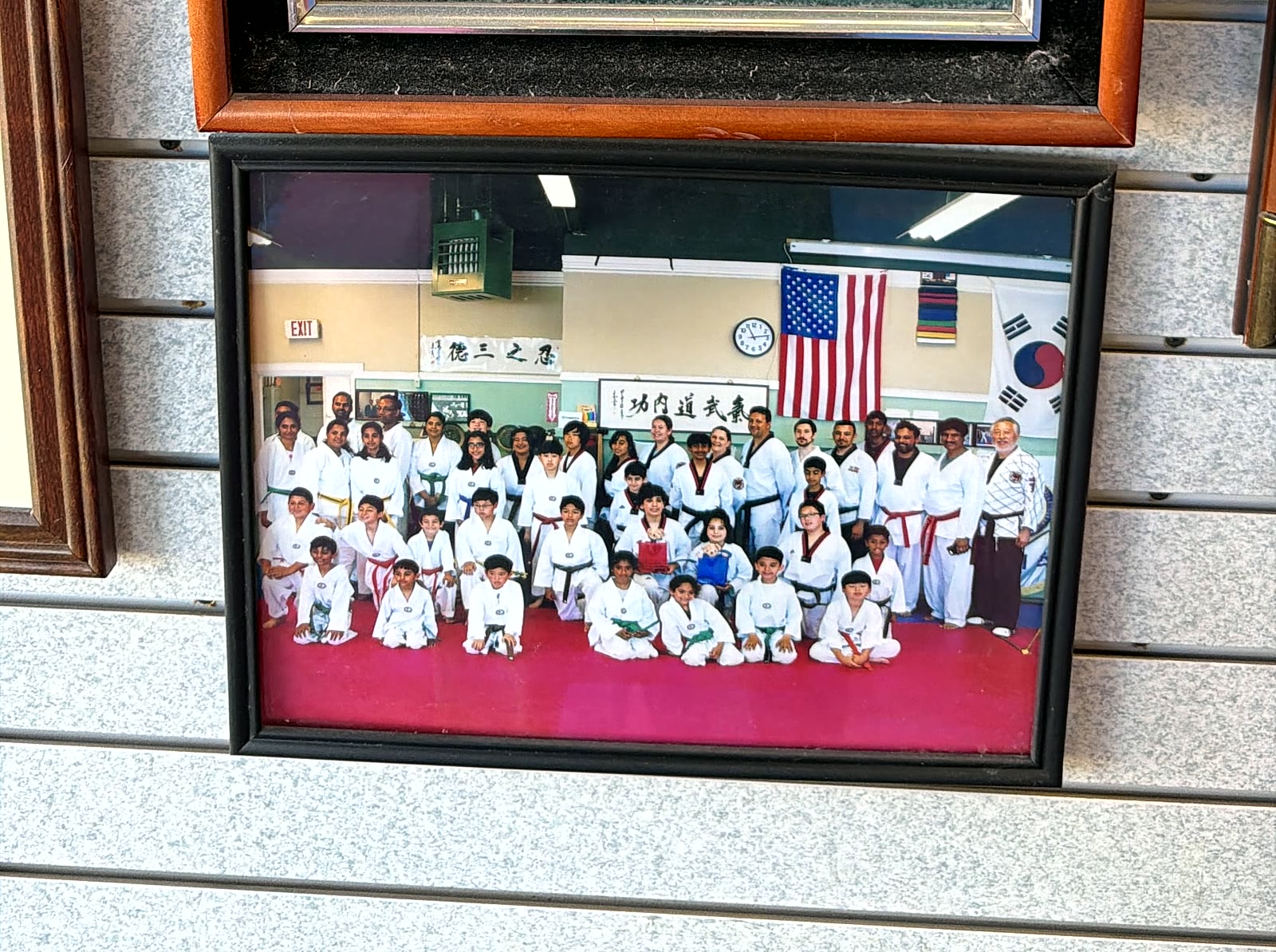
Martial arts students gathered for a group photo

Kettlebell training for martial artists can be interesting to explore, but owning a piece of equipment is not the same as knowing how to use it well. The useful starting questions are about movement, instruction, and how any supplementary work fits alongside martial arts practice. A kettlebell is one possible training tool, not a shortcut to better technique or a replacement for learning a martial art.

Begin with the movement, not the weight

A sensible first step is to understand the basic movement pattern before adding resistance. Pay attention to balance, posture, control, and whether the motion feels clear. If you are new to kettlebells, seek instruction from a qualified coach who can explain the movement and observe how you perform it. Do not copy a fast or complex exercise just because it appears in a video.

Black Belt Magazine recently republished an interview from its 2012 archives with Dr. Mark Cheng about kettlebell training for martial artists. The feature emphasizes learning movement mechanics before introducing the kettlebell. It is an older interview, not new scientific evidence, but the practical principle is straightforward: understand what you are doing before adding a load or speed.

Know that exercises can make different demands

Kettlebell exercises do not all ask for the same kind of movement. Some are slower and emphasize control through a range of motion; others move more dynamically and require coordination as the weight changes direction. A good coach can help you understand the difference, select an appropriate progression, and decide whether a particular exercise suits your experience.

Avoid treating movement names as a complete instruction. Technique, load, range, and pace all matter. The goal is not to imitate an exercise at its most dramatic speed. It is to learn a version you can control, and to make changes only when they are appropriate for you.

Choose the right tool and get guidance

A kettlebell and a dumbbell may appear interchangeable because each is a weight you hold, but they are shaped differently and can create different movement demands. Choose an implement based on the exercise and qualified instruction, not a guess about which tool is automatically best for martial artists. Do not improvise a kettlebell movement with another object unless a coach has shown you a suitable alternative.

If you are practicing at home, clear enough space, keep other people out of the movement area, and follow the equipment maker's directions. Stop if you cannot control the movement, if something feels wrong, or if you are unsure what to do next. If you have a medical concern, ask a qualified healthcare professional for advice before starting a new exercise routine.

Keep supplementary work in perspective

Kettlebell exercises can be considered alongside martial arts training, but they do not teach the timing, decision-making, etiquette, or partner skills of a martial art by themselves. A strength exercise may help you practice a physical pattern, while a martial arts class provides instruction in the discipline's own movements and training context. These are related interests, not interchangeable activities.

Think about your priority before adding another kind of training. If you want to learn Hapkido, Taekwondo, self-defence, or competition training, seek instruction in that activity directly. If you also want kettlebell work, tell your coach what else you practice and ask how to avoid letting extra work interfere with your martial arts goals. There is no requirement to add weights to become a martial arts student.

KIMOO Martial Arts is located in Santa Clara, California, and offers Hapkido, Taekwondo, self-defence, and competition training. Its verified program information does not list kettlebell classes. Contact the academy to ask about its martial arts options, and seek a qualified kettlebell instructor for equipment-specific coaching.

Frequently asked questions

Does kettlebell training teach martial arts technique?

No. It is a form of supplementary exercise, not a substitute for learning a martial art from an instructor. To study Hapkido, Taekwondo, self-defence, or competition training, take instruction in that discipline.

Should beginners start with fast kettlebell swings?

Do not assume that a fast movement is a beginner exercise. Learn the movement pattern and get qualified instruction before working with speed or added resistance.

Are kettlebells better than dumbbells for martial artists?

Neither tool is automatically best for every person or exercise. They differ in shape and use. Ask a qualified instructor which equipment and movement fit your experience and purpose.

Can kettlebell work improve my martial arts performance?

No specific result is guaranteed. General exercise and martial arts skill practice have different purposes, and a tool alone does not establish transfer to a technique. Keep your goal clear and ask a qualified coach for guidance.

Does KIMOO offer kettlebell training?

The verified information lists Hapkido, Taekwondo, self-defence, and competition training, but does not list kettlebell classes. Contact KIMOO about its current martial arts programs. To explore martial arts training, book a free trial class at KIMOO Martial Arts in Santa Clara or call (408) 243-1001.

Train with a champion

Book your free trial class at KIMOO Martial Arts in Santa Clara and train under a World Cup gold medalist.

Martial Arts Classes for Healthcare Workers in Santa Clara: What to Ask→Taekwondo Tournament Spectator Etiquette: How to Cheer with Respect→Neurodivergent Students and Martial Arts in Santa Clara: What to Ask→Women's Taekwondo Classes in Santa Clara: What to Ask→Taekwondo Terminology for Beginners: Common Korean Class Words→Taekwondo Sport Anxiety Study: What Recent Injury Research Says→Multi-Style Martial Arts Classes in Santa Clara: A Choosing Guide→What to Wear to a Martial Arts Class in Santa Clara: Trial Guide→Poomsae vs Kyorugi: How Taekwondo Competition Formats Differ→Non-Contact Martial Arts Classes in Santa Clara: Questions to Ask→K41 vs K44 Para Taekwondo: How Classification Shapes Competition→Martial Arts Classes for Parents and Teens in Santa Clara: What to Ask→Hapkido vs Aikido: Key Differences and How to Compare Training→Taekwondo Change-of-Direction Testing: What a 2026 Review Found→Martial Arts Classes for Focus in Santa Clara: Questions to Ask→Martial Arts School Culture in Santa Clara: What to Look For→Kids World Open Taekwondo Championships 2026: What to Know→Self-Defence or Competition Training in Santa Clara: How to Choose→Martial Arts Practice at Home: A Focused Guide to Solo Training→World Taekwondo Grand Prix Paris 2026: Dates and Format→Martial Arts Classes for Introverts in Santa Clara: A First-Visit Guide→Martial Arts and Nonviolence: Training with Restraint→Changing Martial Arts Schools in Santa Clara: Questions to Ask→Martial Arts Flexibility Training: Build Range with Control→Accessible Martial Arts Classes in Santa Clara: What to Ask→Martial Arts Membership in Santa Clara: Questions Before You Join→Martial Arts and Bullying Prevention: A Responsible Guide for Families→Martial Arts Gear in Santa Clara: What to Ask Before You Buy→Hydration for Martial Arts Training: A Practical Guide→De-escalation and Self-Defence Training in Santa Clara: What to Ask→Martial Arts Training Journal: A Simple Post-Class Guide→Poomsae vs Kyorugi: Two Taekwondo Competition Formats→Martial Arts Class Size in Santa Clara: What to Ask→Virtual Taekwondo at Asian Games 2026: How It Works→Hapkido Instructor in Santa Clara: What Credentials Can Tell You→Martial Arts Training Plateau: How to Find a Productive Next Step→Hapkido Self-Defence in Santa Clara: Questions to Ask Before You Choose→Taekwondo at LA 2028: Events, Classes, and What to Know→Adult Taekwondo Classes in Santa Clara: How to Choose→Martial Arts and Cognitive Engagement: What Recent Research Says→Martial Arts Classes for Caregivers in Santa Clara: What to Consider→Open-Skill Martial Arts Training: Why Adaptability Matters→Martial Arts Classes for Teachers in Santa Clara: A Thoughtful Guide→Representative Martial Arts Training: A Practical Guide→Martial Arts Classes for Shift Workers in Santa Clara: What to Ask→Travel Safety Martial Arts Classes in Santa Clara: What to Ask→External Focus in Martial Arts Training: A Practical Guide→Kids Martial Arts Classes in Santa Clara: A Parent's Guide→Guided Discovery in Martial Arts Training: A Practical Guide→Martial Arts Resilience Training: Build a Steadier Practice→Martial Arts for Personal Safety in Santa Clara: What to Ask→Deliberate Practice in Martial Arts: A Smarter Way to Train→Adult Hapkido Training in Santa Clara: What to Ask→Private Martial Arts Lessons in Santa Clara: Questions to Ask→Ecological Dynamics in Martial Arts Training: A Practical Guide→Martial Arts Interoception: Learn to Notice Your Body→Martial Arts Classes for New Residents in Santa Clara→Martial Arts Social Connection: How Shared Practice Works→Martial Arts Classes for Seniors in Santa Clara: What to Ask→Martial Arts Classes for Parents in Santa Clara: A Practical Guide→Martial Arts Breakfall Training: Why Safe Falling Matters→Martial Arts Classes for Adults Returning to Exercise in Santa Clara→Embodied Martial Arts Training: Learn Through Movement→Martial Arts Prehab: A Smarter Way to Prepare for Training→How to Choose Martial Arts Classes for Runners in Santa Clara→Martial Arts Video Analysis: Use Recording with Purpose→How to Choose Martial Arts Classes for Tech Professionals in Santa Clara→Martial Arts Coaching Feedback: How to Improve with Purpose→How to Choose Martial Arts Classes for College Students in Santa Clara→Martial Arts Warm-Up Drills for Focused, Safer Practice→How to Choose Martial Arts Classes for Couples in Santa Clara→How to Choose Taekwondo Competition Training in Santa Clara→Augmented Reality Martial Arts Training: What Students Should Know→Martial Arts Peripheral Vision Training: A Practical Guide→How to Compare a Martial Arts Class Schedule in Santa Clara→How to Choose Self-Defence Classes for Beginners in Santa Clara→Martial Arts Distance Management: Train Position with Purpose→Martial Arts Training Load Management: Train with Purpose→How to Choose Martial Arts Classes Near Me in Santa Clara→Strength Training for Martial Artists: A Balanced Guide→How to Choose Martial Arts Classes Near Santa Clara→Martial Arts Training Apps: A Smart Guide for Students→How to Choose a Martial Arts Instructor in Santa Clara→Martial Arts Rhythm Training: Build Better Timing→Martial Arts Class Cost in Santa Clara: Questions to Ask→Martial Arts Skill Retention: How to Remember What You Learn→Back-to-School Martial Arts in Santa Clara: A Family Guide→Wearable Technology for Martial Arts: A Smart Training Guide→Martial Arts Belt Testing in Santa Clara: What to Ask→How to Choose Martial Arts Classes After Work in Santa Clara→Gamification in Martial Arts Training: Use Play with Purpose→Martial Arts Classes for Stress Relief in Santa Clara: How to Choose→AI Martial Arts Training in 2026: What Technology Can Do→Martial Arts Coordination Classes in Santa Clara: What to Look For→Constraint-Led Martial Arts Training: A Practical Introduction→Slow Martial Arts Practice: Why Precision Comes First→Martial Arts Training Goals in Santa Clara: Find Your Fit→Self-Defence Training for Commuters in Santa Clara→Martial Arts Situational Awareness: A Practical Training Guide→Martial Arts Decision-Making Under Pressure: Train the Process→Your First Martial Arts Class in Santa Clara: A Simple Guide→Martial Arts Footwork Training: Build Better Movement Habits→Martial Arts Classes for Teens in Santa Clara: A Parent's Guide→Martial Arts Training Recovery: A Smarter Way to Practise→Adult Martial Arts Training in Santa Clara: How to Choose Well→Martial Arts School Comparison in Santa Clara: A Practical Guide→Martial Arts Motor Learning: How Skills Become More Precise→Martial Arts Proprioception Training for Better Body Awareness→How to Choose a Korean Martial Arts Academy in Santa Clara→Martial Arts Self-Regulation: Train Attention with Purpose→How to Choose Martial Arts for Confidence in Santa Clara→Choosing Taekwondo Self-Defence Training in Santa Clara→Martial Arts Goal Setting for More Purposeful Training→How to Choose Taekwondo Fitness Training in Santa Clara→Martial Arts Mental Rehearsal for More Focused Practice→How to Choose Martial Arts for Fitness in Santa Clara→Martial Arts Cross-Training: How to Combine Skills with Purpose→How to Choose Women's Self-Defence Classes in Santa Clara→Martial Arts Injury Prevention: Safer, Smarter Training Habits→Martial Arts Etiquette for Beginners: A Practical Guide→Family Martial Arts in Santa Clara: How to Choose a Dojo→How to Choose a Martial Arts Trial Class in Santa Clara→Martial Arts Partner Drills: How to Train with Purpose→Martial Arts Forms Training: How to Practise with Purpose→Hapkido Classes in Santa Clara: A Guide for New Students→What to Look for in Taekwondo Classes in Santa Clara→Martial Arts Reaction Time Training: A Smarter Way to Practise→Martial Arts Breathing Techniques for Better Training→How to Find Beginner Martial Arts Training in Santa Clara→Martial Arts Mobility and Balance Training for Everyday Movement→How to Choose Competition Martial Arts Training in Santa Clara→How Martial Arts Builds Focus and Discipline→How to Choose Adult Self-Defence Classes in Santa Clara→Hapkido vs Taekwondo: Which Martial Art Is Right for You?→How to Choose the Best Martial Arts Dojo in Santa Clara→