Choosing a Dojo
How to Choose Martial Arts for Confidence in Santa Clara
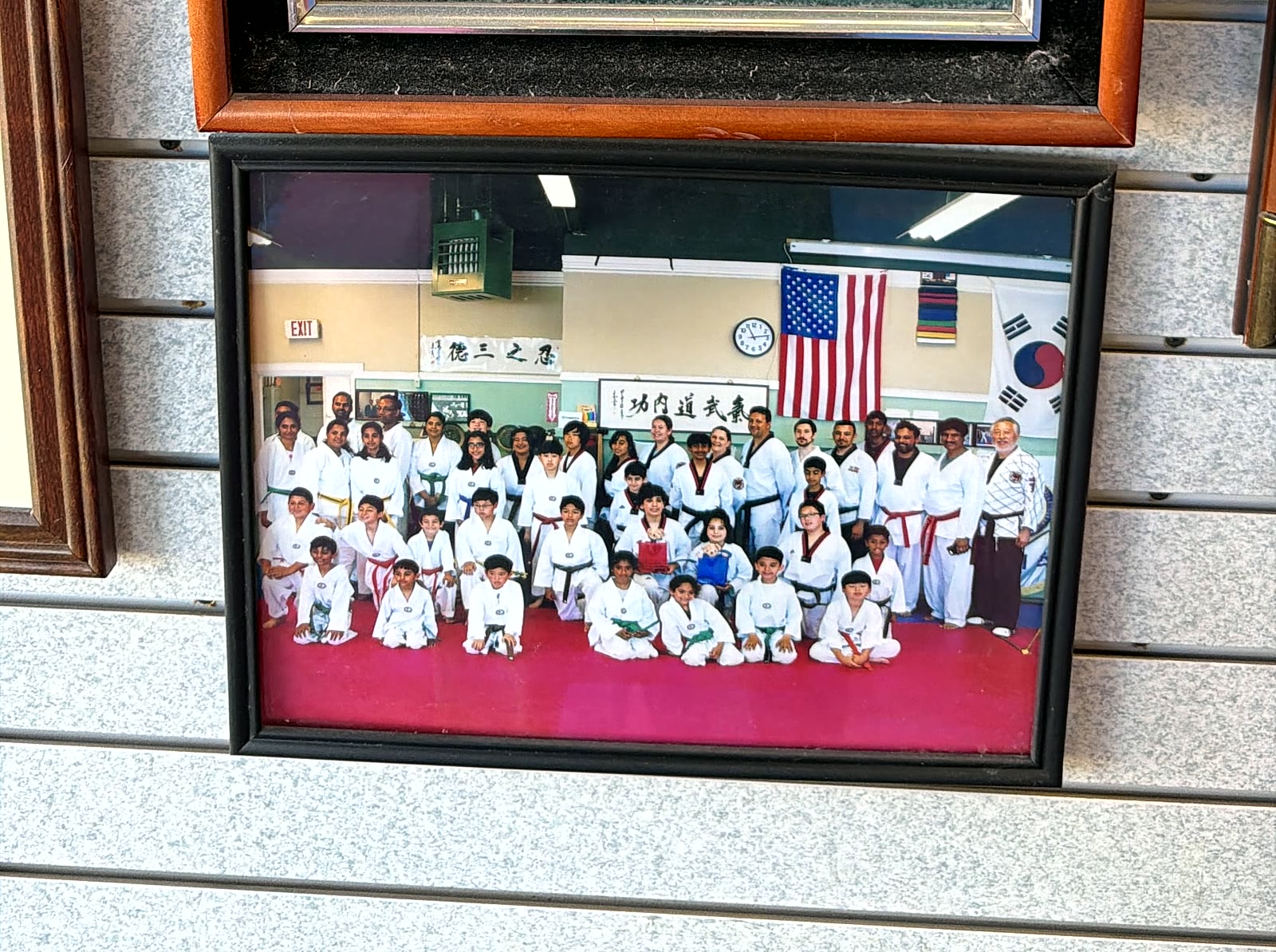
Choosing martial arts confidence training in Santa Clara starts with a useful distinction. Confidence is not a promise that an academy can deliver on a fixed timetable. It is the feeling that grows when you understand a task, practise it responsibly, receive clear feedback, and see yourself handle a new challenge with composure. The right academy gives that process structure without exaggerated claims.
If confidence is one reason you are considering martial arts, use your first visit to study the teaching environment. Ask what you will learn, how the instructor introduces unfamiliar movements, and how students are encouraged to improve with control.
Define what confidence means to you
Confidence can mean different things. You may want to speak up when you need clarification, feel more comfortable learning a new movement, manage nerves before practice, or become more aware of your posture and decisions. You may also want to explore self-defence principles without seeking confrontation.
Write down one or two outcomes that matter to you. Then turn each outcome into a behaviour you can practise. Instead of saying, "I want to be confident," you might say, "I will ask one useful question when I do not understand a movement," or, "I will complete a controlled drill while paying attention to my balance."
A specific behaviour gives you a way to participate in your development. It also helps an instructor understand how to guide you.
Look for a respectful learning culture
A premium martial arts academy should make discipline and respect visible in everyday instruction. Notice whether directions are explained clearly, whether corrections are specific, and whether questions are welcomed. Students should be able to practise seriously without being embarrassed for making a normal learning mistake.
Confidence does not require constant praise. It requires useful information. An instructor can build confidence by identifying what is working, explaining what needs attention, and offering a manageable next step. That approach keeps the focus on learning rather than comparison.
During a visit, observe how partner practice is organised. Clear communication, controlled contact, and a shared understanding of when to pause help students learn with attention. These habits are especially important when a class includes self-defence training.
Match the discipline to your goal
Different martial arts training goals can lead you toward different questions. Taekwondo may interest you because you want to study its technical movements and disciplined practice. Hapkido may interest you because you want to explore its martial arts heritage and training approach. Self-defence training may be your priority if you want to study awareness, decision-making, communication, and safety. Competition training may appeal to you if you want to prepare for a performance or competitive setting.
KIMOO Martial Arts in Santa Clara offers Hapkido, Taekwondo, self-defence, and competition training. Ask how the academy distinguishes these areas and which starting point best fits your reason for visiting. You do not need to choose based only on a label. A conversation can help you understand what the instruction involves.
Evaluate progression, not intensity
A difficult class is not automatically a better class for confidence. Look for progression. New students should be given a clear entry point, an explanation of the task, and an appropriate way to practise before speed or complexity increases.
Useful fundamentals may include posture, balance, distance, timing, controlled movement, and returning to a ready position. Each one offers a small opportunity to notice detail and make a correction. As these skills become more familiar, you can approach a new drill with better preparation.
Ask how the instructor decides when to progress. A good answer will refer to understanding, control, and readiness rather than pressure to perform. Training should challenge you while respecting the boundaries that make learning sustainable.
Use a trial class as a conversation
A free trial class is not only a test of whether you can perform. It is a chance to gather information. Before attending, bring three questions:
- What does the class focus on for someone starting out?
- How are mistakes and corrections handled?
- How can I connect this training with my confidence goal?
During the class, notice your own attention. Were you able to ask for clarification? Did you understand the purpose of each drill? Did the instructor offer a correction you could use immediately? These details tell you more than whether every movement felt easy.
After the visit, write down what you learned. Confidence can begin with recognising that you can enter an unfamiliar environment, listen carefully, and make a thoughtful decision.
Consider verified leadership
Grand Master Jong Yeon Hwang trained at the Korea Hapkido Headquarters Dojang from 1971 and holds 8th Dan Hapkido. He won Gold at the 10th Wushu World Cup in Milan in 2005 and received Santa Clara District 2 Business of the Year in 2019.
These are verified parts of KIMOO's martial arts background. They are useful context as you evaluate the academy, but your own goals and first-hand experience should guide your decision.
Build confidence through honest practice
Avoid measuring confidence only by how forcefully or quickly you move. Notice whether you can stay present, follow a technical instruction, communicate with a partner, and respond to feedback. These are quiet signs of progress that can support more challenging training later.
Keep your expectations realistic. Martial arts cannot guarantee how you will feel in every situation, and no class can promise a particular outcome. What a thoughtful academy can offer is a structured place to learn, practise, and ask better questions.
Frequently asked questions
Can martial arts guarantee confidence?
No. Confidence develops differently for each person, and no academy should guarantee a fixed result. Look for instruction that supports clear goals, practice, feedback, and respectful challenge.
What should a beginner ask before joining?
Ask about the class focus, how new students are introduced to training, how partner drills are controlled, and how the instructor connects practice with your goals.
Which KIMOO discipline is best for confidence?
That depends on your interests. KIMOO offers Hapkido, Taekwondo, self-defence, and competition training. Discuss your goal with the academy before deciding.
Does a challenging class build confidence faster?
Not necessarily. Progression, understanding, and control matter more than intensity alone. The right challenge helps you learn without encouraging unsafe or rushed practice.
How can I track confidence without inventing statistics?
Write down specific behaviours, such as asking a question, following a correction, or completing a controlled drill. Review what you noticed after each visit. Ready to explore purposeful training? Book a free trial class at KIMOO Martial Arts in Santa Clara, or call (408) 243-1001.
Train with a champion
Book your free trial class at KIMOO Martial Arts in Santa Clara and train under a World Cup gold medalist.
Keep reading