Martial Arts Training Goals in Santa Clara: Find Your Fit
August 26, 20266 min readKIMOO Martial Arts
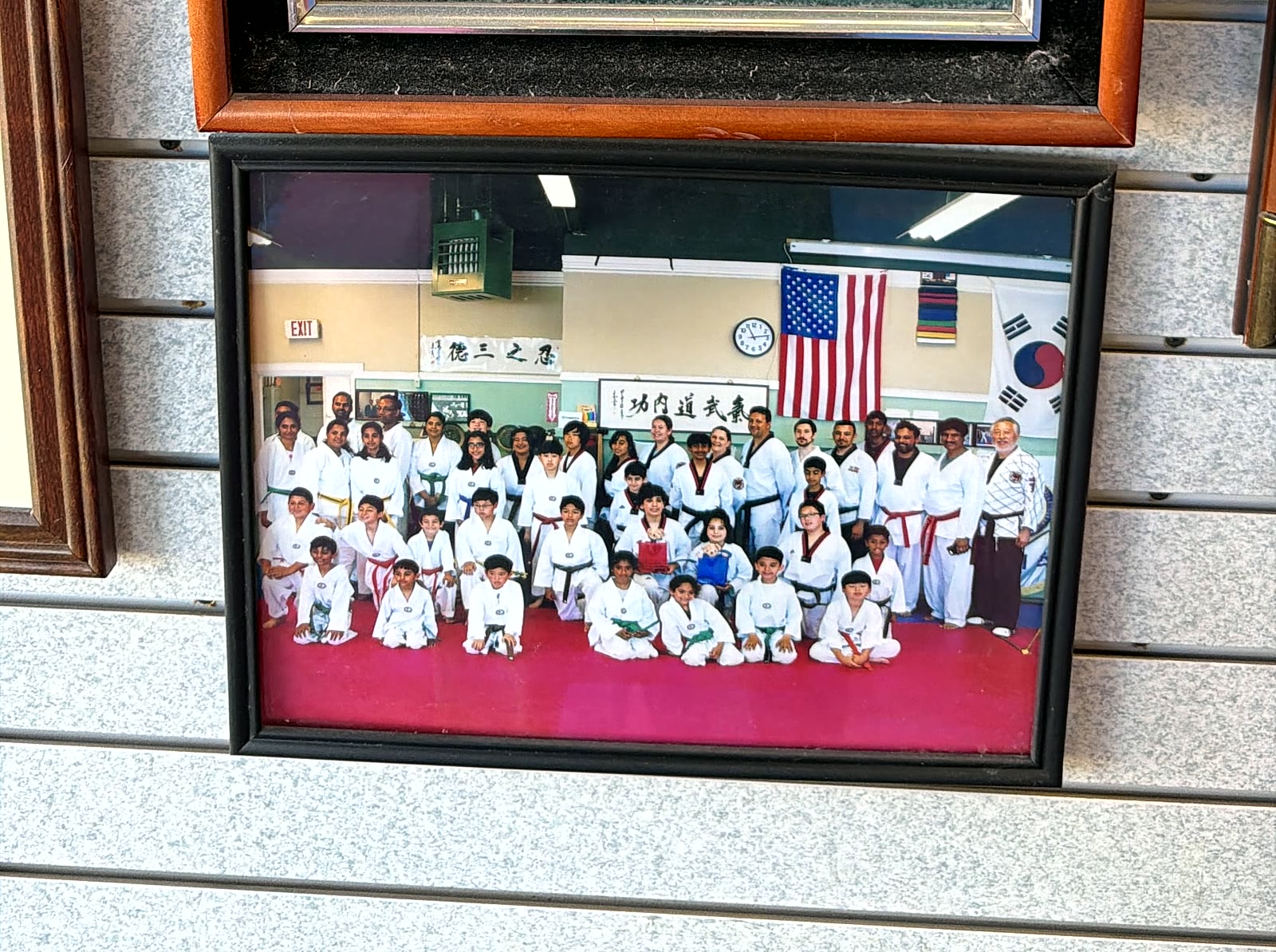
Martial arts students gathered together for a group photograph

Choosing martial arts classes is easier when you start with a goal instead of a label. You may want to explore self-defence, learn a traditional discipline, prepare for competition, or build a more consistent practice. Each goal can shape the questions you ask and the kind of instruction you value.

If you are researching martial arts training goals in Santa Clara, take time to define what a good experience would mean to you. A thoughtful academy should help you understand its disciplines and approach without making promises it cannot support. Your first conversation is an opportunity to compare your priorities with the training on offer.

Turn a general interest into a clear goal

“Learn martial arts” is a useful starting point, but it is broad. Make it more precise by completing a sentence such as, “I want to practise because...” Your answer may focus on self-defence, technical skill, competition, confidence, movement, or the discipline of showing up and learning carefully.

You do not need to choose only one reason. Write down your leading priority and two supporting interests. This gives you a basis for evaluating a class while leaving room for your goals to develop. It also helps an instructor give a more relevant introduction.

Understand the main training paths

KIMOO Martial Arts offers Hapkido, Taekwondo, self-defence, and competition training in Santa Clara, California. These options can appeal to people with different interests, so ask how the academy explains the purpose of each path and how foundational practice is introduced.

If self-defence is your priority, ask how awareness, boundaries, communication, movement, and controlled partner work are handled. If you are interested in competition, ask how technical practice and preparation are approached. If you are drawn to a discipline, ask what its core movements and training habits involve. Clear questions are more useful than assuming a discipline will automatically deliver a particular result.

Ask about instruction, not just marketing

A polished website can introduce an academy, but your questions reveal how the training is structured. Ask how an instructor explains a new movement, corrects technique, and adapts an exercise when a student is unsure. Ask how partners communicate and how participants know when a drill begins, pauses, and ends.

You can also ask what a new student should focus on first. A strong answer should be specific enough to guide practice without presenting a guarantee. Look for a calm, respectful explanation of the learning process. Premium instruction is not about dramatic claims. It is about clarity, attention, and standards that students can understand.

Look for a responsible training culture

Martial arts require trust. Students share space, follow instructions, and often work with partners. A responsible culture makes it normal to ask questions, communicate discomfort, and reset an exercise when the instructions are unclear.

Notice whether the academy treats discipline as more than intensity. Good habits can include listening, controlling movement, respecting a partner, and reflecting on mistakes without losing confidence. These observations can tell you whether the environment matches the way you want to learn.

Match the academy to your decision process

Do not choose based on one exciting technique or a single impression. Compare what you want with what you can verify. Consider the academy’s location in Santa Clara, the disciplines it offers, the instructor’s background, and whether the introductory conversation addresses your questions.

KIMOO’s Grand Master Jong Yeon Hwang trained at the Korea Hapkido Headquarters Dojang from 1971 and holds 8th Dan Hapkido. He won Gold at the 10th Wushu World Cup in Milan in 2005. He received the President’s Volunteer Service Award, a White House honor, in 2023. KIMOO received Santa Clara District 2 Business of the Year in 2019.

These are verified parts of the academy’s background. They provide useful context, but your own goals should remain central. Ask how the training connects to the path you are considering and what you can expect from an introductory experience.

Set a review point for your goals

Your goals may become clearer as you practise. Instead of demanding a final answer before you begin, choose a simple review point. After your first class or early training conversation, ask whether the instruction was understandable, whether the discipline still interests you, and whether your questions received thoughtful answers.

Keep your next goal small and observable. You might aim to remember a sequence, maintain control during a basic drill, or ask one useful technical question. This approach gives your practice direction without relying on unverified timelines or guaranteed outcomes.

Frequently asked questions

How do I choose between Hapkido, Taekwondo, self-defence, and competition training?

Start with your leading goal, then ask KIMOO how each training path is introduced and what kind of practice it emphasises. A direct conversation can help you compare your interests with the available disciplines.

What questions should I ask a Santa Clara martial arts academy?

Ask how instructors teach fundamentals, give feedback, manage partner drills, respond to questions, and explain the purpose of each training path. Also ask what a new student should focus on first.

Can my martial arts goals change over time?

Yes. Your initial reason for training can develop as you learn more. Review your goals periodically and discuss changes with your instructor so your practice remains purposeful.

Should I choose an academy based on awards alone?

Awards and instructor background provide context, but they are not the only considerations. Evaluate the teaching approach, training culture, communication, and fit with your own goals.

What makes a training environment responsible?

Clear instruction, controlled practice, respectful partner communication, and permission to pause or ask questions are useful signs. Intensity should not replace understanding or safety.

Is a free trial class useful when comparing academies?

A trial can help you observe instruction and ask questions, but it is only one experience. Use it to compare your goals, the academy’s explanations, and the training culture you encounter. Bring your goals into focus with a thoughtful introduction at KIMOO Martial Arts in Santa Clara. Book a free trial class, or call (408) 243-1001.

Train with a champion

Book your free trial class at KIMOO Martial Arts in Santa Clara and train under a World Cup gold medalist.

Martial Arts School Culture in Santa Clara: What to Look For→Kids World Open Taekwondo Championships 2026: What to Know→Self-Defence or Competition Training in Santa Clara: How to Choose→Martial Arts Practice at Home: A Focused Guide to Solo Training→World Taekwondo Grand Prix Paris 2026: Dates and Format→Martial Arts Classes for Introverts in Santa Clara: A First-Visit Guide→Martial Arts and Nonviolence: Training with Restraint→Changing Martial Arts Schools in Santa Clara: Questions to Ask→Martial Arts Flexibility Training: Build Range with Control→Accessible Martial Arts Classes in Santa Clara: What to Ask→Martial Arts Membership in Santa Clara: Questions Before You Join→Martial Arts and Bullying Prevention: A Responsible Guide for Families→Martial Arts Gear in Santa Clara: What to Ask Before You Buy→Hydration for Martial Arts Training: A Practical Guide→De-escalation and Self-Defence Training in Santa Clara: What to Ask→Martial Arts Training Journal: A Simple Post-Class Guide→Poomsae vs Kyorugi: Two Taekwondo Competition Formats→Martial Arts Class Size in Santa Clara: What to Ask→Virtual Taekwondo at Asian Games 2026: How It Works→Hapkido Instructor in Santa Clara: What Credentials Can Tell You→Martial Arts Training Plateau: How to Find a Productive Next Step→Hapkido Self-Defence in Santa Clara: Questions to Ask Before You Choose→Taekwondo at LA 2028: Events, Classes, and What to Know→Adult Taekwondo Classes in Santa Clara: How to Choose→Martial Arts and Cognitive Engagement: What Recent Research Says→Martial Arts Classes for Caregivers in Santa Clara: What to Consider→Open-Skill Martial Arts Training: Why Adaptability Matters→Martial Arts Classes for Teachers in Santa Clara: A Thoughtful Guide→Representative Martial Arts Training: A Practical Guide→Martial Arts Classes for Shift Workers in Santa Clara: What to Ask→Travel Safety Martial Arts Classes in Santa Clara: What to Ask→External Focus in Martial Arts Training: A Practical Guide→Kids Martial Arts Classes in Santa Clara: A Parent's Guide→Guided Discovery in Martial Arts Training: A Practical Guide→Martial Arts Resilience Training: Build a Steadier Practice→Martial Arts for Personal Safety in Santa Clara: What to Ask→Deliberate Practice in Martial Arts: A Smarter Way to Train→Adult Hapkido Training in Santa Clara: What to Ask→Private Martial Arts Lessons in Santa Clara: Questions to Ask→Ecological Dynamics in Martial Arts Training: A Practical Guide→Martial Arts Interoception: Learn to Notice Your Body→Martial Arts Classes for New Residents in Santa Clara→Martial Arts Social Connection: How Shared Practice Works→Martial Arts Classes for Seniors in Santa Clara: What to Ask→Martial Arts Classes for Parents in Santa Clara: A Practical Guide→Martial Arts Breakfall Training: Why Safe Falling Matters→Martial Arts Classes for Adults Returning to Exercise in Santa Clara→Embodied Martial Arts Training: Learn Through Movement→Martial Arts Prehab: A Smarter Way to Prepare for Training→How to Choose Martial Arts Classes for Runners in Santa Clara→Martial Arts Video Analysis: Use Recording with Purpose→How to Choose Martial Arts Classes for Tech Professionals in Santa Clara→Martial Arts Coaching Feedback: How to Improve with Purpose→How to Choose Martial Arts Classes for College Students in Santa Clara→Martial Arts Warm-Up Drills for Focused, Safer Practice→How to Choose Martial Arts Classes for Couples in Santa Clara→How to Choose Taekwondo Competition Training in Santa Clara→Augmented Reality Martial Arts Training: What Students Should Know→Martial Arts Peripheral Vision Training: A Practical Guide→How to Compare a Martial Arts Class Schedule in Santa Clara→How to Choose Self-Defence Classes for Beginners in Santa Clara→Martial Arts Distance Management: Train Position with Purpose→Martial Arts Training Load Management: Train with Purpose→How to Choose Martial Arts Classes Near Me in Santa Clara→Strength Training for Martial Artists: A Balanced Guide→How to Choose Martial Arts Classes Near Santa Clara→Martial Arts Training Apps: A Smart Guide for Students→How to Choose a Martial Arts Instructor in Santa Clara→Martial Arts Rhythm Training: Build Better Timing→Martial Arts Class Cost in Santa Clara: Questions to Ask→Martial Arts Skill Retention: How to Remember What You Learn→Back-to-School Martial Arts in Santa Clara: A Family Guide→Wearable Technology for Martial Arts: A Smart Training Guide→Martial Arts Belt Testing in Santa Clara: What to Ask→How to Choose Martial Arts Classes After Work in Santa Clara→Gamification in Martial Arts Training: Use Play with Purpose→Martial Arts Classes for Stress Relief in Santa Clara: How to Choose→AI Martial Arts Training in 2026: What Technology Can Do→Martial Arts Coordination Classes in Santa Clara: What to Look For→Constraint-Led Martial Arts Training: A Practical Introduction→Slow Martial Arts Practice: Why Precision Comes First→Self-Defence Training for Commuters in Santa Clara→Martial Arts Situational Awareness: A Practical Training Guide→Martial Arts Decision-Making Under Pressure: Train the Process→Your First Martial Arts Class in Santa Clara: A Simple Guide→Martial Arts Footwork Training: Build Better Movement Habits→Martial Arts Classes for Teens in Santa Clara: A Parent's Guide→Martial Arts Training Recovery: A Smarter Way to Practise→Adult Martial Arts Training in Santa Clara: How to Choose Well→Martial Arts School Comparison in Santa Clara: A Practical Guide→Martial Arts Motor Learning: How Skills Become More Precise→Martial Arts Proprioception Training for Better Body Awareness→How to Choose a Korean Martial Arts Academy in Santa Clara→Martial Arts Self-Regulation: Train Attention with Purpose→How to Choose Martial Arts for Confidence in Santa Clara→Choosing Taekwondo Self-Defence Training in Santa Clara→Martial Arts Goal Setting for More Purposeful Training→How to Choose Taekwondo Fitness Training in Santa Clara→Martial Arts Mental Rehearsal for More Focused Practice→How to Choose Martial Arts for Fitness in Santa Clara→Martial Arts Cross-Training: How to Combine Skills with Purpose→How to Choose Women's Self-Defence Classes in Santa Clara→Martial Arts Injury Prevention: Safer, Smarter Training Habits→Martial Arts Etiquette for Beginners: A Practical Guide→Family Martial Arts in Santa Clara: How to Choose a Dojo→How to Choose a Martial Arts Trial Class in Santa Clara→Martial Arts Partner Drills: How to Train with Purpose→Martial Arts Forms Training: How to Practise with Purpose→Hapkido Classes in Santa Clara: A Guide for New Students→What to Look for in Taekwondo Classes in Santa Clara→Martial Arts Reaction Time Training: A Smarter Way to Practise→Martial Arts Breathing Techniques for Better Training→How to Find Beginner Martial Arts Training in Santa Clara→Martial Arts Mobility and Balance Training for Everyday Movement→How to Choose Competition Martial Arts Training in Santa Clara→How Martial Arts Builds Focus and Discipline→How to Choose Adult Self-Defence Classes in Santa Clara→Hapkido vs Taekwondo: Which Martial Art Is Right for You?→How to Choose the Best Martial Arts Dojo in Santa Clara→