Self-Defence
De-escalation and Self-Defence Training in Santa Clara: What to Ask
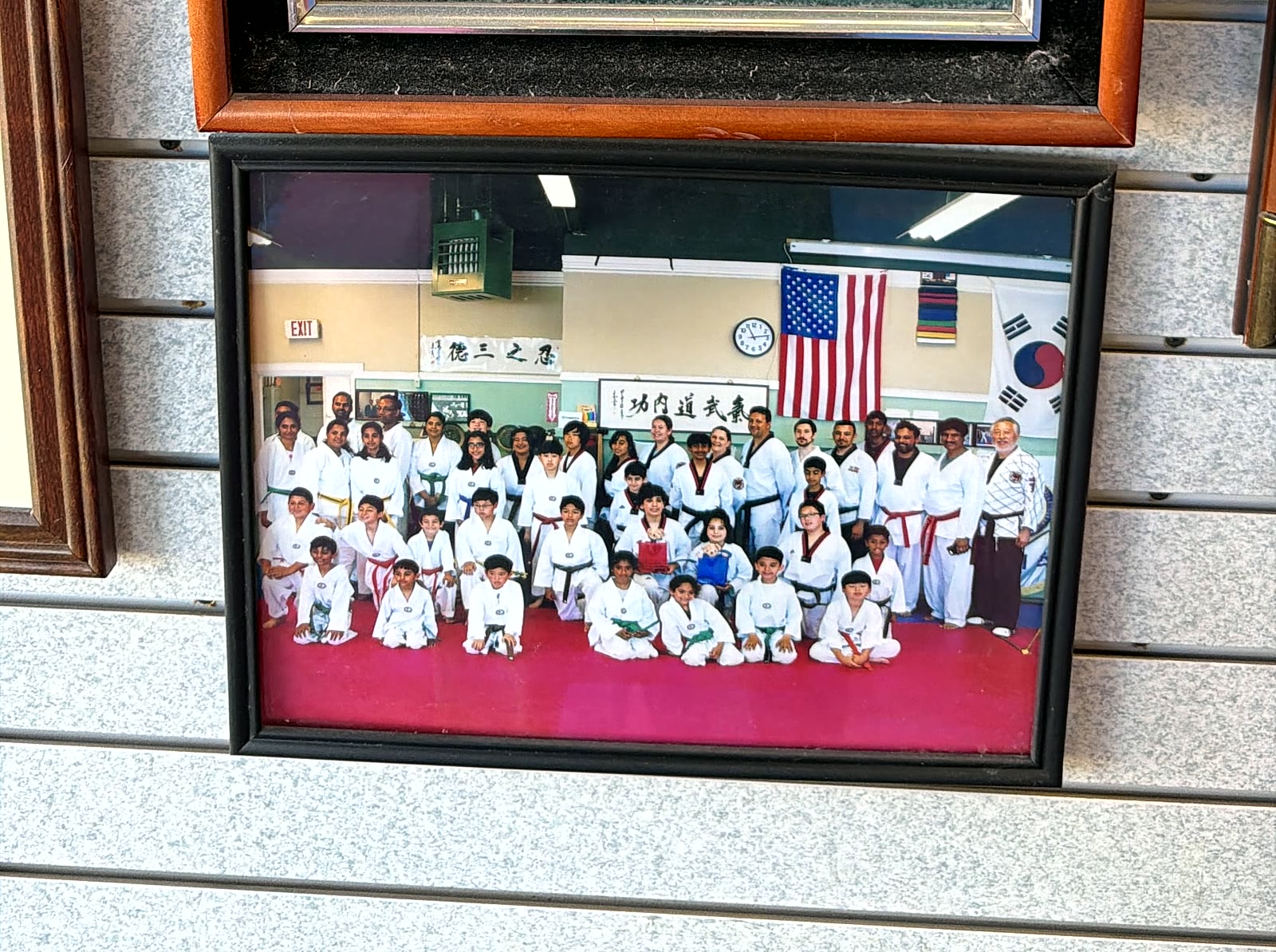
When you compare de-escalation in self-defence training in Santa Clara, look beyond a list of physical techniques. Personal safety can involve making choices before, during, and after a tense interaction. A useful first step is to ask what a class actually covers, how it approaches safety, and whether its instruction matches your goals. No class can promise a particular outcome in every situation, so thoughtful questions matter.
Ask what the curriculum includes
The words self-defence can mean different things to different schools. One academy may emphasize physical technique, while another may include other topics. Do not assume that de-escalation, awareness, verbal boundary-setting, or planning for a safe exit is part of every program. Ask directly which subjects are currently included and how they relate to the class you are considering.
You might say, “I want to learn about staying calm and creating a chance to leave when possible. Is that part of your self-defence instruction?” A clear answer helps you understand the curriculum without relying on a broad label. If the academy describes a topic using unfamiliar terms, ask for a simple explanation of what students actually practice.
Treat de-escalation as one part of a larger safety picture
De-escalation is not a guarantee that another person will respond calmly, and it should not be presented as a way to control someone else's behavior. For a prospective student, it is a useful subject to ask about because it broadens the conversation beyond physical response alone. A school should be able to explain its approach honestly and distinguish class instruction from promises about real-life outcomes.
Ask how the instructor discusses making choices, maintaining personal boundaries, and seeking an opportunity to disengage when it is safe to do so. You can also ask how students learn to recognize when a situation may require leaving or getting help instead of continuing an interaction. These are questions about priorities and decision-making, not a request for a guarantee.
Find out how practice is introduced
If a class includes physical self-defence practice, ask how unfamiliar activities are introduced and what a beginner should expect. You may want to understand whether a student can ask questions, how practice partners are selected, and what guidance is given before an activity begins. The academy can explain the current format for the particular class you are considering.
During a visit, notice whether the purpose of each activity is clear to you. If you have a question about the reason for a movement or how an exercise relates to personal safety, ask. A class description should help you understand what is taught without implying that a single technique works in every setting.
Match the class to your goals
Before you contact a school, consider what you hope to learn. You may be curious about physical self-defence, practical decision-making, or both. You may also have preferences about how you learn. Naming those goals gives the instructor a chance to clarify whether the current instruction is relevant, rather than leaving you to guess from a general class title.
A short list can help during a phone call or trial visit:
- What self-defence topics are currently covered?
- Does instruction address verbal de-escalation or ways to disengage when safe?
- How does the instructor explain safety expectations for practice?
- What should a first-time visitor expect, and what questions can I ask?
- How can I learn whether this class fits the goal I have in mind?
A confident answer should be specific about what the academy can confirm and careful about what no class can promise. If a topic is not included, that information also helps you make an informed choice.
Make an informed local choice
Self-defence classes in Santa Clara can differ in their focus, so compare what each school says it teaches rather than assuming that programs with similar names are identical. Ask about the current class, how instruction is presented, and how a prospective student can find out more. The choice should reflect your own goals and comfort, not a dramatic claim about guaranteed protection.
KIMOO Martial Arts is located in Santa Clara, California, and offers self-defence training along with Hapkido, Taekwondo, and competition training. The verified program information does not specify whether its current self-defence instruction includes de-escalation. Contact the academy and ask about the class content relevant to your goals. A direct conversation can help you decide whether a free trial class is a useful next step.
Frequently asked questions
Does every self-defence class teach de-escalation?
Do not assume so. Ask the academy what its current curriculum includes and whether it covers verbal de-escalation or ways to disengage when safe.
Can self-defence training guarantee safety?
No class can guarantee how another person will act or what will happen in every situation. Use a conversation with an instructor to understand the class content and avoid relying on promises of a particular outcome.
What should I ask before visiting a self-defence class?
Ask what topics are covered, how the class introduces practice, and how you can raise questions. Share the personal safety goals you hope to explore so the academy can clarify whether the instruction is relevant.
Does KIMOO offer self-defence training in Santa Clara?
KIMOO Martial Arts is located in Santa Clara, California, and offers self-defence training. Contact the academy to confirm current class details and ask whether de-escalation is included. Book a free trial class at KIMOO Martial Arts in Santa Clara to discuss your goals and explore the current instruction, or call (408) 243-1001 with your questions.
Train with a champion
Book your free trial class at KIMOO Martial Arts in Santa Clara and train under a World Cup gold medalist.
Keep reading