Kids Program
Girls in Martial Arts: What Parents Should Know
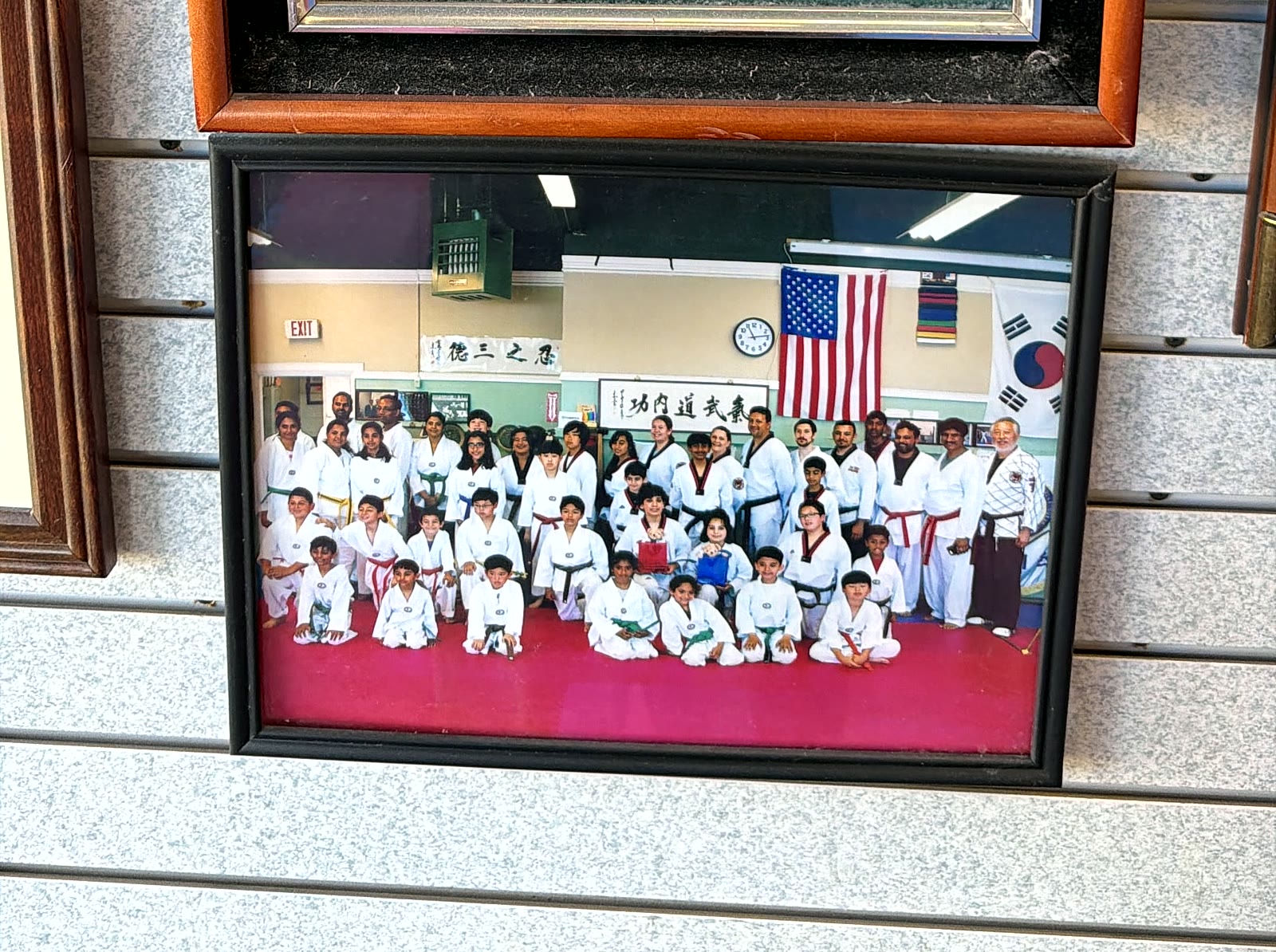
Parents of daughters ask a slightly different set of questions, and they deserve a direct answer rather than a generic one.
Why a dojang suits girls particularly well
Progress is not comparative. Your daughter is measured against her own previous standard, not against the fastest or biggest child in the room. In activities where girls are routinely compared to boys on raw athleticism, this matters enormously.
Technique beats size. Particularly in a leverage-based art like Hapkido, which is built around redirecting force rather than overpowering it. The lesson that a smaller person can control a larger one is not abstract here — she will do it in class.
There is no bench. No selection, no sidelines, no being picked last. Every student trains the whole session.
Visible, earned authority. A belt is a public statement of competence that nobody can dismiss. For a girl growing up being talked over, that is worth a great deal.
The adolescence problem
Girls disproportionately drop out of physical activity in early adolescence — around the age when self-consciousness peaks and activities start feeling performative.
Martial arts resists this better than most activities, for specific structural reasons:
- No uniforms that feel exposing. A dobok covers everything and looks identical on everyone.
- No spectators by default. Training is not a performance for a crowd.
- Individual measurement means she is not publicly outperformed each week.
- Mixed-age classes mean her peer group is not the only social reference point.
That said, this is exactly when a weak school loses girls. Which brings us to what to check.
How to judge whether a school handles it well
- Are there women training, and at what ranks? A room with female black belts and instructors is telling you something no brochure can.
- How are partners matched? By size and experience, consistently — not left to chance.
- How does the instructor speak to girls versus boys? Watch a class specifically for this. Lower expectations are usually delivered kindly, which makes them harder to spot and no less damaging.
- Is there a women's program? It signals the school has thought about this at all. Ours is described here.
- What happens when she is the only girl in the group? A good instructor manages that deliberately.
The self-defence dimension
It would be dishonest to pretend this is not part of why parents of daughters enrol them.
Worth being clear-eyed: the skills that matter most are awareness and firm verbal boundaries, long before any physical technique. We wrote about what actually works versus what is theatre.
A good program teaches the non-physical skills as seriously as the escapes. One that goes straight to wrist locks is selling the exciting part.
What changes at home
The most common thing parents report is not technique. It is posture, volume and willingness to take up space — saying no more firmly, and being less apologetic about it.
Start with a free class
Bring her to watch or to train. The first class is free, you are welcome to observe, and new students receive a free uniform and white belt. Bringing a friend often helps on day one.
Call (408) 243-1001.
Train where the standard is real
Students are corrected personally by an 8th Dan Grand Master who trained at the source of the art in 1971, in small groups where every student is corrected by name.
Visit us: 2181 El Camino Real, Santa Clara, CA 95050
Frequently asked questions
Is martial arts good for girls?
Particularly so. Progress is measured individually rather than comparatively, technique matters more than size, and there is no bench or selection.
What age should a girl start martial arts?
The same as anyone — most schools start children at age 5. Readiness matters more than age or gender.
Will my daughter be the only girl in the class?
It varies by class. Ask the school directly, and look at whether there are women training at senior ranks, which is a good indicator.
Does martial arts actually help with self-defence for girls?
The most useful skills are awareness and firm verbal boundaries, followed by escapes from grabs. Good programs teach the non-physical skills as seriously as the physical.
Where is KIMOO Martial Arts in Santa Clara?
We are at 2181 El Camino Real, Santa Clara, CA 95050. Call (408) 243-1001.
Train with a champion
Book your free trial class at KIMOO Martial Arts in Santa Clara and train under a World Cup gold medalist.
Keep reading