Training Tips
Martial Arts Rhythm Training: Build Better Timing
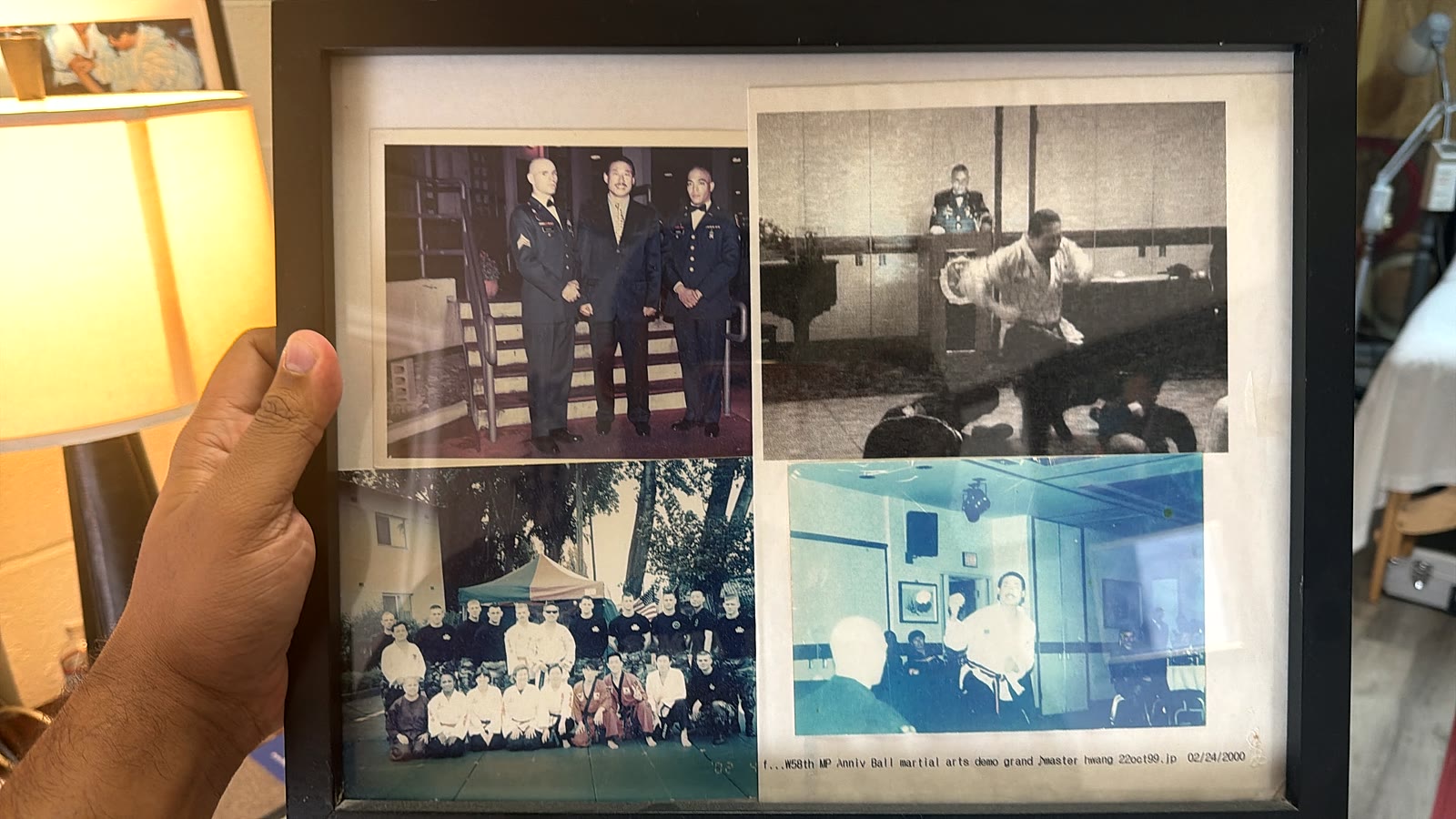
Martial arts rhythm training is more than moving quickly to a beat. It is the practice of noticing cadence, managing pauses, and connecting one action to the next with control. Rhythm gives movement structure, helping a student recognise when to stay steady, when to wait, and when a change in tempo calls for attention.
You do not need music or complicated equipment to explore the idea. With an instructor’s guidance, rhythm can become a practical way to study footwork, distance, transitions, and partner communication.
What rhythm means in martial arts
Rhythm is the pattern of movement over time. A sequence may have an even cadence, a deliberate pause, or a change between slow and fast actions. In martial arts, the useful question is not whether a movement looks dramatic. It is whether the student can remain balanced and purposeful as the pattern changes.
A steady rhythm can make a basic drill easier to understand. A pause can reveal whether posture and breathing remain controlled. A variation can test whether the student understands the principle rather than simply copying a memorised count.
Begin with a stable cadence
Start with a movement you already understand and practise it at a calm, even pace. Keep the attention on posture, balance, and the order of the actions. Avoid adding speed simply because the pattern feels familiar.
An instructor can help you identify a suitable cadence. The right pace allows you to notice transitions and finish each action with control. If your form becomes rushed, return to a slower version and rebuild the connection between the steps.
Use pauses to improve awareness
A pause is a useful learning tool. Stop briefly at an appropriate point in a sequence and check your balance, direction, breathing, and intention. This moment can show whether you are prepared for the next movement or merely relying on momentum.
Pauses should serve the drill, not interrupt it randomly. Ask your instructor where a pause belongs and how long it should be. In partner work, communicate clearly so that both people understand the exercise and can train safely.
Connect rhythm to footwork
Footwork gives rhythm a physical foundation. Practise stepping with consistent weight transfer and clear direction. Notice whether your upper body moves ahead of your base or whether your feet can support the next action without a hurried adjustment.
Once the basic pattern is clear, an instructor may introduce a change in direction or tempo. Treat the change as a decision point. Keep your stance and control while responding to the new instruction instead of chasing speed.
Study transitions, not just individual techniques
Students often focus on the start or finish of a technique and overlook the transition between them. Rhythm brings that connecting moment into view. Ask yourself whether the next action begins from a balanced position and whether unnecessary tension is slowing the movement.
Practise the transition at a comfortable speed. Then seek feedback on one detail, such as hand position, foot placement, posture, or timing. Small, specific corrections are easier to apply than a general instruction to move better.
Practise changing tempo responsibly
Changing tempo can help a student explore adaptability, but it should be introduced progressively. Do not turn a controlled drill into a race. A faster rhythm is useful only when technique, safety, and awareness remain intact.
A simple progression might move from an even cadence to a measured pause, then to a change in pace under instruction. The goal is to preserve good decisions and control while the pattern changes. If a variation causes confusion, simplify the drill and ask for clarification.
Use partner communication
Rhythm in partner training depends on shared understanding. Agree on the drill, listen to the instructor’s directions, and respect the agreed pace. Partners should give each other room to learn rather than trying to surprise one another.
Good communication includes clear starts and stops, appropriate control, and immediate attention to a safety concern. A partner exercise is a study in timing and cooperation, not an invitation to improvise forcefully.
Apply rhythm across disciplines
KIMOO Martial Arts offers Hapkido, Taekwondo, self-defence, and competition training in Santa Clara, California. Rhythm may appear differently across these areas, so ask an instructor how timing supports the discipline you are studying.
The principles remain useful: stable foundations, clear transitions, purposeful pauses, and careful responses to change. Avoid assuming that one rhythm drill belongs equally in every context. Let the lesson and instructor determine the appropriate application.
Learn from experience and precision
Grand Master Jong Yeon Hwang trained at the Korea Hapkido Headquarters Dojang from 1971 and holds 8th Dan Hapkido. He won Gold at the 10th Wushu World Cup in Milan in 2005. He received the President’s Volunteer Service Award, a White House honor, in 2023. KIMOO received Santa Clara District 2 Business of the Year in 2019.
A disciplined approach to rhythm reflects the broader habits of martial arts practice: patience, attention, respect, and a commitment to learning movement well.
A simple rhythm practice checklist
Choose one familiar sequence. Set a calm cadence, notice your balance, and pause only where your instructor recommends. Repeat while focusing on one technical detail. Ask for feedback, then try the sequence again without rushing.
End by identifying what changed when the rhythm changed. Did your posture remain stable? Did your footwork support the next action? Did you communicate clearly with your partner? These questions turn tempo into a tool for thoughtful practice.
Frequently asked questions
Do I need music for martial arts rhythm training?
No. Rhythm can be studied through cadence, pauses, transitions, and changes in pace. An instructor can structure the exercise without music.
Does rhythm training mean moving faster?
Not necessarily. Rhythm includes steady movement and deliberate pauses. Control and awareness matter more than speed.
How can rhythm improve footwork?
A clear cadence helps you notice weight transfer, direction, and the connection between steps. Progressions should be introduced under instructor guidance.
Is it safe to change tempo during partner drills?
Only when the instructor has explained the drill and both partners understand the pace, start, and stop signals. Do not improvise risky variations.
What should I focus on first?
Begin with balance, posture, and a clear sequence. Choose one detail to improve, then ask for specific feedback.
Can rhythm help with competition training?
Timing and controlled transitions can be relevant to competition training, but the appropriate drills depend on the instructor’s plan and the discipline involved. Explore precise, purposeful training at KIMOO Martial Arts in Santa Clara. Book a free trial class, or call (408) 243-1001.
Train with a champion
Book your free trial class at KIMOO Martial Arts in Santa Clara and train under a World Cup gold medalist.
Keep reading