Choosing a Dojo
Adult Hapkido Classes in Santa Clara: What Beginners Should Ask
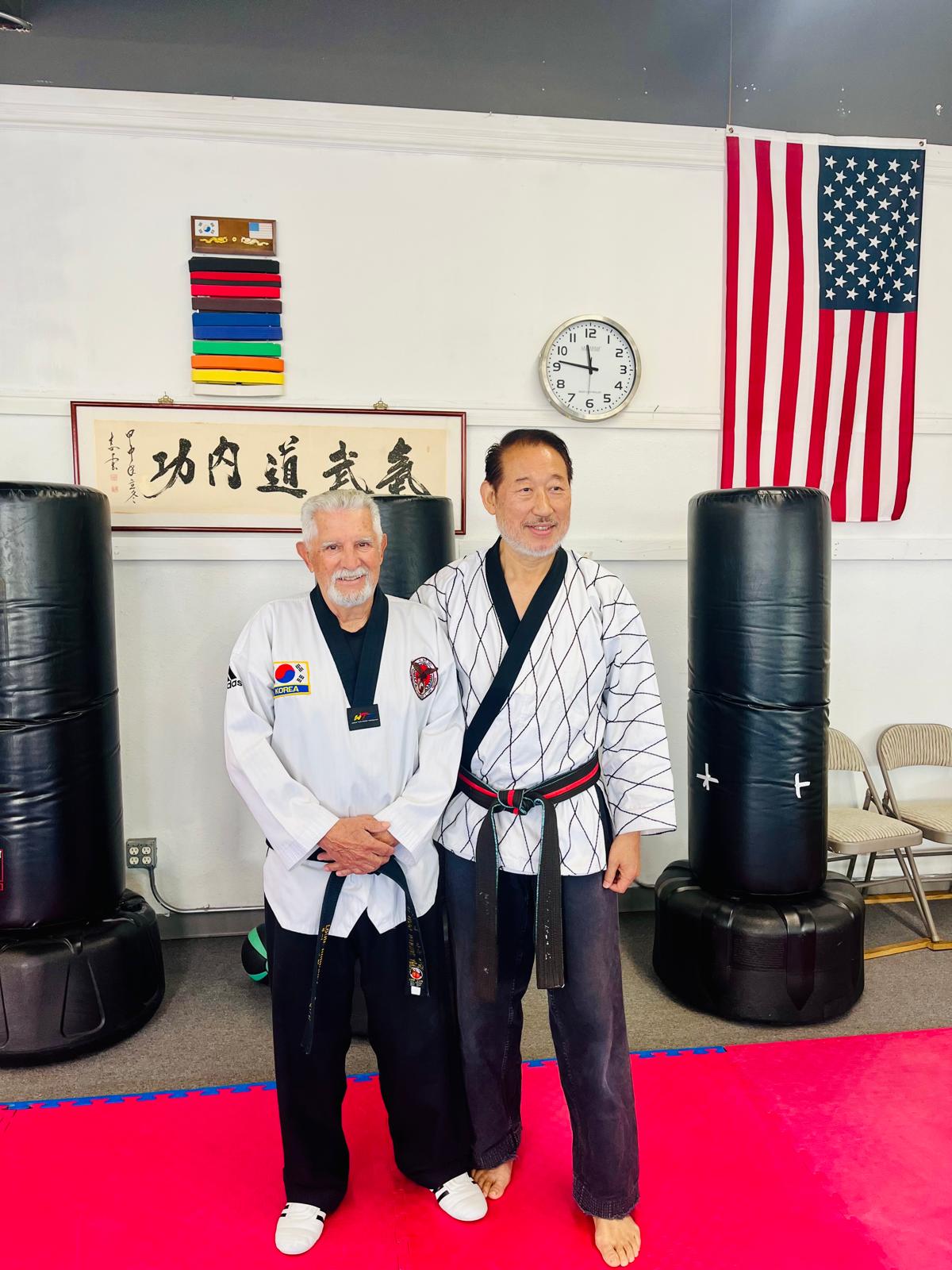
Adult Hapkido classes in Santa Clara can be a way to explore a Korean martial art while learning in a supervised class, but the right fit depends on the individual and the program. A beginner does not need to know techniques before asking about a class. Instead, ask what new students practice, how instruction is adapted, and what the first visit involves. KIMOO Martial Arts is in Santa Clara and lists Hapkido among its disciplines. Confirm current adult class options, schedule, and enrollment details directly with the academy.
What Hapkido classes may involve
Hapkido is a Korean martial art. Classes in the style may include movement, balance, partner practice, and self-defence concepts, but each school's curriculum and class structure can differ. Do not infer a particular syllabus from the style name alone. When contacting a school, ask what its current beginner curriculum includes and how students progress from introductory practice to more complex techniques.
KIMOO's verified history includes its Grand Master holding 8th Dan in Hapkido and training at Korea Headquarters in 1971. This describes the instructor's documented background; it is not a guarantee of any student's results or a description of every current class session. A prospective student can ask how that experience shapes instruction today and who teaches the class they would attend.
Questions to ask before your first class
Start with the basics: Is this class appropriate for someone with no martial arts experience? What should a first-time student wear? Are there partner exercises? How does the instructor explain and supervise those activities? What should a beginner expect to learn during an introductory visit? These questions help you understand what you are agreeing to, without assuming every class follows the same format.
Be direct about your personal goals. You may be interested in learning a traditional art, exploring practical self-defence training, or taking up a new physical activity. Ask whether the current adult program addresses those goals and what participation requires. No martial art can guarantee safety in every situation, and training is not a substitute for seeking help or avoiding danger where possible.
If you have an injury, health condition, or concern about physical participation, speak with a qualified healthcare professional about your own circumstances. Then tell the instructor what modifications or precautions you may need and ask whether the class can accommodate them. Do not assume the instructor can provide medical advice or that every movement will be appropriate for every person.
Observe how a beginner is taught
If observation or a trial is available, notice whether students can ask questions and whether explanations make the practice clear. Look for a class environment where a new student can communicate discomfort, request clarification, and understand what happens before attempting partner work. These are practical things to ask about, not a formal certification or a promise that injuries cannot occur.
Ask how students are paired for partner practice and what safety expectations are explained before drills begin. If a technique involves close contact or a joint movement, a beginner should receive clear instruction and appropriate supervision rather than attempting it from a video. A responsible introduction should help the student understand limits and how to pause when something feels wrong.
It is also useful to distinguish a demonstration from everyday teaching. A senior practitioner may display advanced movement, but that does not show what a beginner will be asked to do. Ask what is typical for a first class and how the instructor adjusts practice for different experience levels.
Compare the practical commitment
Before enrolling, request current information about class days, fees, attendance expectations, uniform requirements, and any other costs. These details change, so verify them with the academy instead of relying on old articles or search results. Ask whether a free trial is available and what arrangements apply. Do not assume any promotion or included equipment unless confirmed directly.
Consider whether the location and schedule work with your routine. A sustainable commitment is more useful than choosing a class based only on a dramatic demonstration or a promise of fast progress. If you are comparing programs, use the same questions at each one: what is taught, who instructs, how beginners are supported, what the costs are, and what happens at the first session.
For KIMOO Martial Arts in Santa Clara, ask specifically about current adult Hapkido classes and whether a trial visit can be arranged. The listed discipline and instructor background are useful starting points, while current class availability and the details that matter to you should be confirmed before deciding.
Frequently asked questions
Is Hapkido suitable for adult beginners?
That depends on the school's current class structure and the student's needs. Ask the academy how new adults are introduced and what the first session involves.
Does KIMOO list Hapkido among its disciplines?
Yes. Hapkido is among the disciplines listed for KIMOO Martial Arts. Contact the academy to confirm current adult class availability.
What should I ask about partner practice?
Ask how techniques are taught and supervised, what safety guidance beginners receive, and how to pause or ask for help during practice.
Can Hapkido guarantee self-defence results?
No training can guarantee outcomes in real-life situations. Ask what is taught and consider training as one component of personal learning, not a promise of safety.
How do I find current schedules and costs?
Request up-to-date information directly from the academy. Do not rely on outdated listings or assume a promotion is available. To ask about adult Hapkido classes or arrange a free trial, contact KIMOO Martial Arts at (408) 243-1001.
Train with a champion
Book your free trial class at KIMOO Martial Arts in Santa Clara and train under a World Cup gold medalist.
Keep reading