Styles Explained
Dakar 2026 Wushu: What Its Youth Olympic Debut Means
Dakar 2026 Wushu made a notable Youth Olympic milestone: according to Xinhua's November 8 report, Wushu appeared as an official medal sport at an Olympic event for the first time, with competition held November 1 to 3. The program featured four events and 47 athletes from 46 countries and regions. For martial arts students, the headline offers a useful chance to understand what Wushu competition showcases, while keeping the difference between watching elite routines and starting beginner training clear.
Wushu includes different forms and training traditions. The Dakar competition highlighted changquan and taijiquan combined events. They presented contrasting qualities of movement: changquan is athletic and expansive, while taijiquan is slower and continuous. This is a description of that event's competition formats, not a full definition of every Wushu school or practice.
What happened at the Dakar Youth Olympic event
Xinhua reports that Wushu competed as a medal sport from November 1 through 3, 2026, with athletes representing 46 countries and regions. The four events comprised men's and women's changquan combined and men's and women's taijiquan combined. Winners represented China, Egypt, Hong Kong, China, and Singapore, according to the report.
The event followed a longer path of international promotion. Xinhua notes that the International Wushu Federation was founded in 1990 and that the International Olympic Committee Executive Board approved Wushu's inclusion in the Dakar 2026 Youth Olympic Games program in January 2020. Those dates describe the history of the event, not new eligibility or a change to local classes.
The competition matters as a moment of visibility for a martial art practiced across regions. Xinhua's coverage emphasized the mix of athletic execution and cultural expression, including the traditional fist-and-palm salute. That observation is the reporter's account of the event; it should not be mistaken for a universal rule about how every Wushu class is taught.
How the Wushu events differed from combat matches
The Dakar formats were judged routines rather than bouts in which two opponents directly try to score against each other. Xinhua describes changquan as fast and athletic, using long stances and high jumps, while taijiquan is performed with continuous, measured movement. The athletes were assessed on their routines in their respective combined events.
This distinction can help a newcomer make sense of martial arts videos: not every competitive martial art format is a fight between opponents. Some formats emphasize performance and technical execution of a routine, while others include direct competition. The event provides a recent example, but it does not define every Wushu style, local training approach, or future competition structure.
If you are considering Wushu classes, ask whether a school focuses on forms, athletic movement, competition preparation, or another curriculum. The answer should come from the instructor at that school. Watching elite athletes can spark interest, but it cannot tell you what a beginner's class contains or whether an activity suits your goals.
What beginners can take from the event
A major competition can be inspiring without making elite difficulty the starting point. Beginners can ask how basic postures, coordination, control, and movement are taught before more demanding techniques are introduced. Ask how students progress, whether the program is designed for newcomers, and how instructors adapt training to individual ability.
For a family considering youth sports, it is also reasonable to ask what class participation looks like and how a child is supported while learning new movements. Confirm program specifics, current schedules, and safety policies directly with the academy. Do not infer that a school offers a competition team or a particular Wushu event simply because Wushu is listed as a discipline.
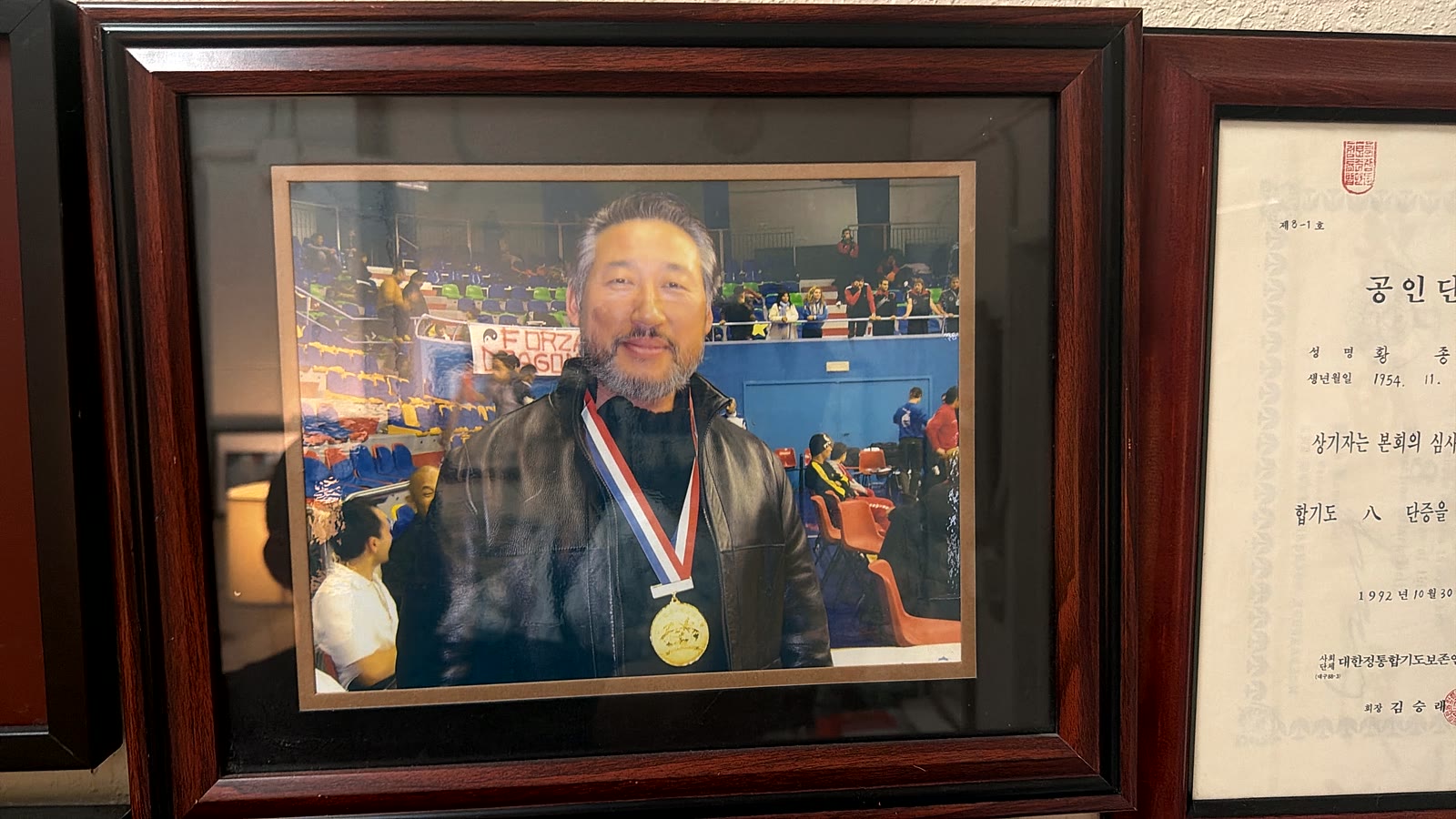
KIMOO Martial Arts is located in Santa Clara and lists Wushu among its disciplines. The academy's verified facts include a Grand Master who earned gold at the 10th Wushu World Cup in Milan in 2005. That is a confirmed achievement and a relevant point of context, but it is not a promise that students will achieve similar results. Contact the school to ask what current Wushu instruction is available and what a first class would involve.
Frequently asked questions
Was Wushu a medal sport at Dakar 2026?
Yes. Xinhua reported that Wushu debuted as an official medal sport at an Olympic event at the Dakar 2026 Youth Olympic Games, with competition November 1 to 3.
What Wushu events were held?
The report describes four events: men's and women's changquan combined and men's and women's taijiquan combined.
Is Wushu competition always a judged routine?
No single format describes all Wushu training or events. Dakar's featured formats were judged routines; ask a school or event organizer about its specific format.
Does KIMOO list Wushu among its disciplines?
Yes. Wushu is among the disciplines listed for KIMOO Martial Arts in Santa Clara. Ask the academy about current classes and their content.
Does the 2005 World Cup result guarantee student outcomes?
No. It is a verified instructor achievement, not a guarantee of what a student will accomplish. To ask about current Wushu classes at KIMOO Martial Arts, call (408) 243-1001 or ask whether a free trial class is available.
Train with a champion
Book your free trial class at KIMOO Martial Arts in Santa Clara and train under a World Cup gold medalist.
Keep reading