Choosing a Dojo
How to Choose Competition Martial Arts Training in Santa Clara
Choosing competition martial arts training in Santa Clara is a meaningful decision for any student who wants to test skills in a focused setting. Competition can add purpose to practice, but a strong program should develop the whole martial artist, not only performance on event day. The right academy helps students understand their goals, build reliable fundamentals, and approach challenge with discipline and respect.
Start with the right competition goal
Before comparing programs, define what competition means for you. One student may want to learn how a tournament works and gain experience. Another may want to sharpen technique, improve composure, or pursue a serious performance goal. A parent may be looking for a structured challenge that teaches a child how to prepare, handle feedback, and respond graciously to results.
These are different goals, and they deserve different conversations with an instructor. Ask what skills the program develops, how students prepare, and how the academy decides whether a student is ready for an event. A responsible answer should focus on gradual development rather than promises of medals or guaranteed outcomes.
Competition is also optional. Students can train in martial arts for self-defence, fitness, confidence, or personal growth without entering an event. An academy should respect that distinction while giving interested students a clear path to prepare.
Evaluate the coaching process
Good competition coaching begins with fundamentals. Stance, balance, distance, timing, control, and accurate technique create the base for more advanced work. When you visit a class, watch whether the instructor explains the purpose of a drill and offers specific corrections. Students should know what they are working on and how to improve it.
Look for a process that includes:
- Technical practice with attention to form and control.
- Drills that develop timing, movement, and decision-making.
- Safe partner work with clear limits on contact and intensity.
- Feedback that is precise, respectful, and useful.
- Goals that can be revisited as the student develops.
The atmosphere matters as much as the drills. A premium training environment can be demanding without being humiliating. Students should be encouraged to work seriously, support training partners, and treat officials and opponents with respect.
Match the training to the martial art
Competition formats vary, so ask how the academy connects its training to the discipline. Taekwondo may involve structured striking practice, footwork, timing, and competition-specific decision-making. Hapkido can develop control, movement, balance, and technical understanding. Self-defence training has its own purpose and should not be treated as a game or presented as a guarantee of what will happen in real life.
KIMOO Martial Arts in Santa Clara offers Hapkido, Taekwondo, self-defence, and competition training. That range lets a student discuss whether competition fits their goals and which training emphasis makes sense. The choice should be based on interest, readiness, and the instruction available, not on a dramatic promise.
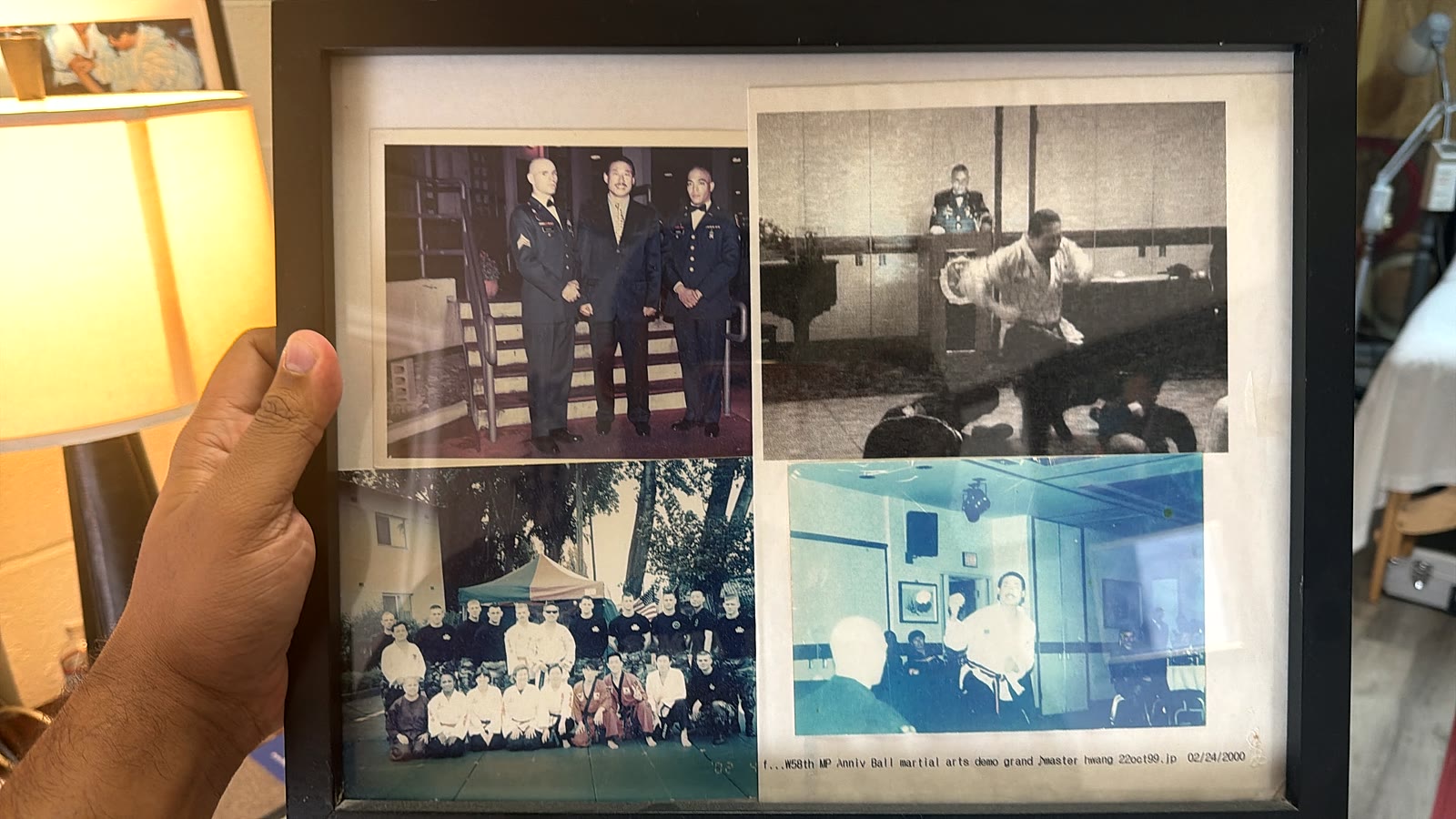
KIMOO is led by Grand Master Jong Yeon Hwang, who trained at the Korea Hapkido Headquarters Dojang from 1971 and holds 8th Dan Hapkido. He won Gold at the 10th Wushu World Cup in Milan in 2005. Those verified credentials provide useful context when you assess the academy's technical leadership.
Ask how preparation and safety work
A tournament plan should include more than intense practice shortly before an event. Students need time to learn the rules that apply to their division, refine technique, practise controlled rounds or demonstrations where appropriate, and understand how to behave on the day. They also need recovery and a realistic approach to training load.
Ask these questions before enrolling:
- How are beginners introduced to competition?
- What does a typical preparation cycle focus on?
- How are partner drills supervised?
- How does the instructor adjust training when a student is tired or uncomfortable?
- What should families know about equipment or event logistics?
Do not ignore pain, dizziness, or an injury. Tell the instructor promptly and seek qualified medical guidance when needed. Responsible martial arts training values long-term development over one result.
Build a resilient competition mindset
Competition can reveal habits that are difficult to notice in ordinary practice. A student may learn to manage nerves, stay attentive after a mistake, and follow a plan while conditions change. These lessons are valuable when the outcome is treated as information rather than a judgement of personal worth.
After an event, review the experience with useful questions. What felt prepared? Which technique or decision needs more practice? How did the student communicate with partners and respond to feedback? A thoughtful review turns a result into the next training goal. It also helps students celebrate effort, courage, courtesy, and improvement rather than measuring everything by a medal.
Frequently asked questions
Is competition martial arts training suitable for beginners?
It can be, when the instructor offers a gradual introduction and explains expectations clearly. A beginner should learn foundational technique and safe practice before taking on a more demanding event. Ask how the academy supports first-time competitors.
Do I have to compete if I join a martial arts academy?
No. Competition is one training option. Students can focus on Hapkido, Taekwondo, self-defence, or general development without entering tournaments. Discuss your goals during an introductory visit.
How should I compare competition programs in Santa Clara?
Compare the instructor's verified background, coaching clarity, safety practices, training structure, and the way the program treats students and opponents. A free trial class can help you observe the environment before making a decision.
What should a student do after a disappointing result?
Allow time to recover, then review the experience calmly. Identify one or two specific skills to practise, ask for constructive feedback, and remember that a single result does not define a student's ability or future. Ready to explore competition martial arts training in Santa Clara? Book a free trial class at KIMOO Martial Arts, or call (408) 243-1001 to discuss your goals.
Train with a champion
Book your free trial class at KIMOO Martial Arts in Santa Clara and train under a World Cup gold medalist.
Keep reading