Taekwondo Tournament Spectator Etiquette: How to Cheer with Respect
October 12, 20266 min readKIMOO Martial Arts
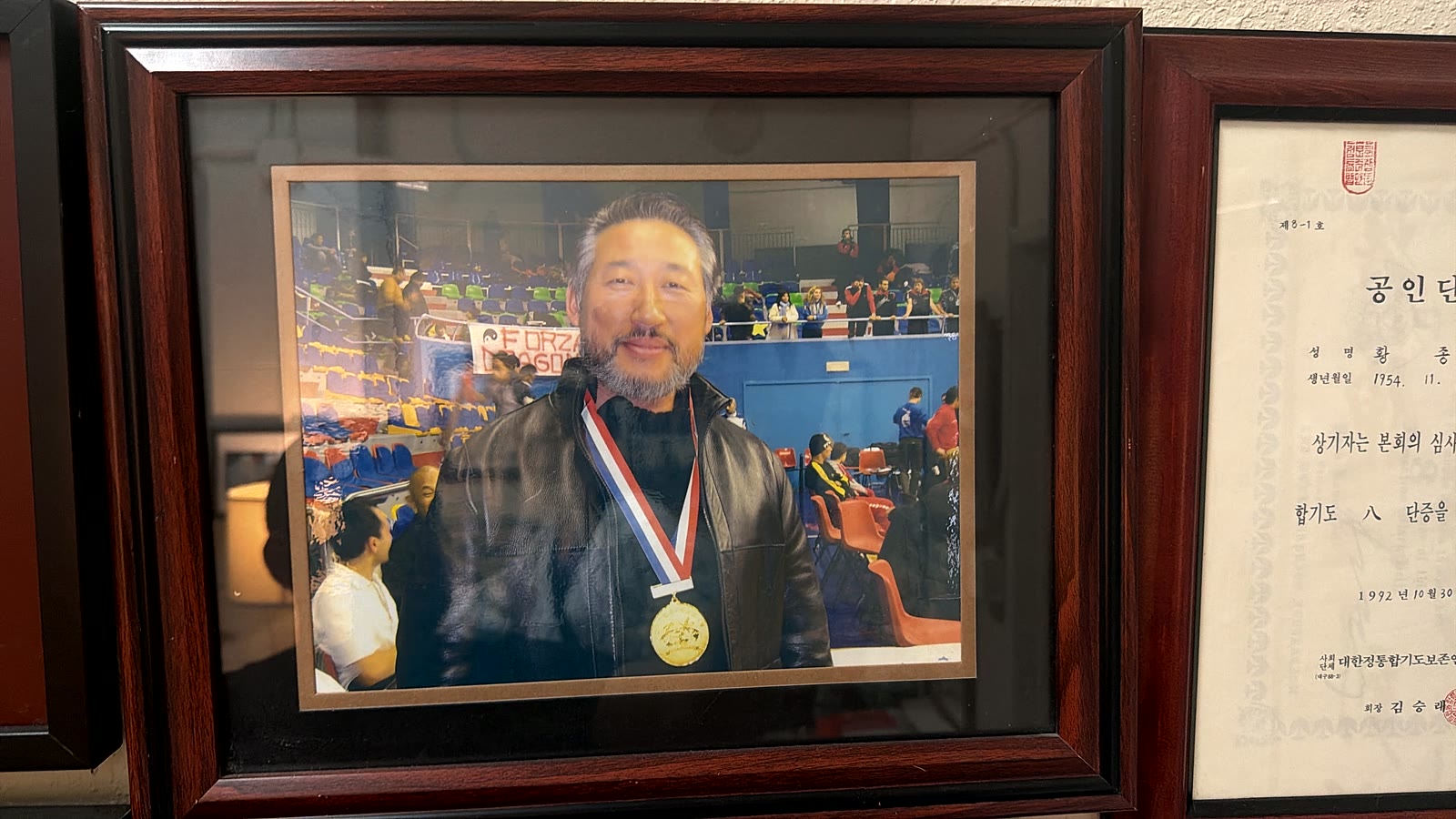
Grand Master Jong Yeon Hwang in a formal martial arts portrait

Recent coverage of the Paris-Levallois 2026 World Taekwondo Grand Prix is a reminder that a competition is a shared space for athletes, coaches, officials, and fans. Good Taekwondo tournament spectator etiquette is not about being silent. It is about showing energy without undermining the dignity and safety of the people competing. A crowd can celebrate a strong performance while remaining respectful toward every athlete.

Cheer for effort without targeting a person

Applaud a well-executed movement, a determined comeback, or a close match. Support for one athlete does not require putting down the other. Avoid insults, personal remarks, mocking gestures, or taunts directed at a competitor. Enthusiasm should never turn into harassment.

USA Taekwondo's published statement on respect, safety, and fair play at events encourages passionate cheering while making clear that it must remain respectful. Its standards are specific to USA Taekwondo events, but the distinction between enthusiastic support and personal abuse is useful for spectators at any competition.

Respect athletes on and off the competition area

A competitor has to focus during a bout or performance. Shouting distracting instructions, crowding the competition area, or trying to get an athlete's attention when they are preparing can add pressure rather than encouragement. Follow event staff directions and remain in spectator areas unless an organizer tells you otherwise.

Respect continues after the final result. Congratulate athletes graciously, and do not treat a close decision as an invitation to confront the other athlete, coach, or referee. Competitors may be processing the result or listening to their team. Give them appropriate space and let coaches handle technical questions through the channels provided by the event.

Let officials and event staff do their work

Referees and organizers are responsible for applying competition procedures. Spectators can learn and care about the rules, but shouting at an official or blocking their view does not help an athlete. If you have a question, check the event's spectator information or ask an organizer calmly at an appropriate time.

Different tournaments can follow different rules or procedures. Avoid presenting a personal interpretation as an official decision. If something is unclear, wait for event staff or the coach to explain what happened. A respectful atmosphere protects everyone involved and makes it easier for the competition to continue smoothly.

Be thoughtful online, too

An event does not end when a spectator leaves the venue. Before posting a photo or clip, consider whether the people shown would be comfortable with it and follow the event's photography policy. Keep captions constructive. Do not post personal information, send unwanted messages, or use a result as a reason to ridicule a competitor.

A useful test is to ask whether you would say the same thing respectfully in person, with the athlete and their team present. If the answer is no, do not publish it. USA Taekwondo's statement emphasizes that safety and respectful conduct extend beyond the competition area, including online spaces. Check the organizer's current conduct and reporting information if you need to raise a concern.

Support the whole event, not only the result

Spectators can contribute to a positive event by recognizing sportsmanship, showing appreciation for volunteers and officials, and helping newcomers understand what they are watching. If you attend with a child or first-time fan, model respectful applause and explain that effort matters even when the athlete you supported does not win.

Avoid coaching from the stands unless an event explicitly invites it. The athlete already has a coach, and spectators can help most by keeping the sidelines calm, encouraging, and attentive. If emotions rise, take a moment to reset before reacting. A composed response is a meaningful example of martial arts values in practice.

Connect competition interest to training

Watching an event can spark questions about the sport: what a student learns, how competition training differs from other martial arts practice, or what a first class involves. KIMOO Martial Arts offers competition training, as well as Hapkido, Taekwondo, and self-defence, in Santa Clara, California. Ask the academy directly about its current options and how to begin. Do not assume that watching a tournament tells you what a local class includes.

Frequently asked questions

Is cheering allowed at a Taekwondo tournament?

Yes. USA Taekwondo encourages enthusiastic cheering at its events, while asking spectators to keep it respectful. Always follow the specific organizer's rules.

What should I avoid shouting from the stands?

Avoid personal insults, threats, abusive language, or distractions directed at athletes and officials. Follow the event's guidance about spectator participation.

Should spectators challenge a referee's decision?

No. Keep the competition area clear and let the coach or event process handle questions. Ask an organizer for information calmly and at an appropriate time.

Can I share photos and videos from a tournament?

Check the event's photography rules and consider the privacy of the people shown. Keep posts respectful and avoid sharing personal information or directing unwanted attention at an athlete.

How can a first-time spectator support competitors?

Applaud good effort, respect both sides, listen to event staff, and avoid crowding athletes. You can be enthusiastic while helping keep the environment welcoming. If you are interested in learning more about competition training, book a free trial class at KIMOO Martial Arts in Santa Clara or call (408) 243-1001.

Train with a champion

Book your free trial class at KIMOO Martial Arts in Santa Clara and train under a World Cup gold medalist.

Neurodivergent Students and Martial Arts in Santa Clara: What to Ask→Women's Taekwondo Classes in Santa Clara: What to Ask→Taekwondo Terminology for Beginners: Common Korean Class Words→Taekwondo Sport Anxiety Study: What Recent Injury Research Says→Multi-Style Martial Arts Classes in Santa Clara: A Choosing Guide→What to Wear to a Martial Arts Class in Santa Clara: Trial Guide→Poomsae vs Kyorugi: How Taekwondo Competition Formats Differ→Non-Contact Martial Arts Classes in Santa Clara: Questions to Ask→K41 vs K44 Para Taekwondo: How Classification Shapes Competition→Martial Arts Classes for Parents and Teens in Santa Clara: What to Ask→Hapkido vs Aikido: Key Differences and How to Compare Training→Taekwondo Change-of-Direction Testing: What a 2026 Review Found→Martial Arts Classes for Focus in Santa Clara: Questions to Ask→Martial Arts School Culture in Santa Clara: What to Look For→Kids World Open Taekwondo Championships 2026: What to Know→Self-Defence or Competition Training in Santa Clara: How to Choose→Martial Arts Practice at Home: A Focused Guide to Solo Training→World Taekwondo Grand Prix Paris 2026: Dates and Format→Martial Arts Classes for Introverts in Santa Clara: A First-Visit Guide→Martial Arts and Nonviolence: Training with Restraint→Changing Martial Arts Schools in Santa Clara: Questions to Ask→Martial Arts Flexibility Training: Build Range with Control→Accessible Martial Arts Classes in Santa Clara: What to Ask→Martial Arts Membership in Santa Clara: Questions Before You Join→Martial Arts and Bullying Prevention: A Responsible Guide for Families→Martial Arts Gear in Santa Clara: What to Ask Before You Buy→Hydration for Martial Arts Training: A Practical Guide→De-escalation and Self-Defence Training in Santa Clara: What to Ask→Martial Arts Training Journal: A Simple Post-Class Guide→Poomsae vs Kyorugi: Two Taekwondo Competition Formats→Martial Arts Class Size in Santa Clara: What to Ask→Virtual Taekwondo at Asian Games 2026: How It Works→Hapkido Instructor in Santa Clara: What Credentials Can Tell You→Martial Arts Training Plateau: How to Find a Productive Next Step→Hapkido Self-Defence in Santa Clara: Questions to Ask Before You Choose→Taekwondo at LA 2028: Events, Classes, and What to Know→Adult Taekwondo Classes in Santa Clara: How to Choose→Martial Arts and Cognitive Engagement: What Recent Research Says→Martial Arts Classes for Caregivers in Santa Clara: What to Consider→Open-Skill Martial Arts Training: Why Adaptability Matters→Martial Arts Classes for Teachers in Santa Clara: A Thoughtful Guide→Representative Martial Arts Training: A Practical Guide→Martial Arts Classes for Shift Workers in Santa Clara: What to Ask→Travel Safety Martial Arts Classes in Santa Clara: What to Ask→External Focus in Martial Arts Training: A Practical Guide→Kids Martial Arts Classes in Santa Clara: A Parent's Guide→Guided Discovery in Martial Arts Training: A Practical Guide→Martial Arts Resilience Training: Build a Steadier Practice→Martial Arts for Personal Safety in Santa Clara: What to Ask→Deliberate Practice in Martial Arts: A Smarter Way to Train→Adult Hapkido Training in Santa Clara: What to Ask→Private Martial Arts Lessons in Santa Clara: Questions to Ask→Ecological Dynamics in Martial Arts Training: A Practical Guide→Martial Arts Interoception: Learn to Notice Your Body→Martial Arts Classes for New Residents in Santa Clara→Martial Arts Social Connection: How Shared Practice Works→Martial Arts Classes for Seniors in Santa Clara: What to Ask→Martial Arts Classes for Parents in Santa Clara: A Practical Guide→Martial Arts Breakfall Training: Why Safe Falling Matters→Martial Arts Classes for Adults Returning to Exercise in Santa Clara→Embodied Martial Arts Training: Learn Through Movement→Martial Arts Prehab: A Smarter Way to Prepare for Training→How to Choose Martial Arts Classes for Runners in Santa Clara→Martial Arts Video Analysis: Use Recording with Purpose→How to Choose Martial Arts Classes for Tech Professionals in Santa Clara→Martial Arts Coaching Feedback: How to Improve with Purpose→How to Choose Martial Arts Classes for College Students in Santa Clara→Martial Arts Warm-Up Drills for Focused, Safer Practice→How to Choose Martial Arts Classes for Couples in Santa Clara→How to Choose Taekwondo Competition Training in Santa Clara→Augmented Reality Martial Arts Training: What Students Should Know→Martial Arts Peripheral Vision Training: A Practical Guide→How to Compare a Martial Arts Class Schedule in Santa Clara→How to Choose Self-Defence Classes for Beginners in Santa Clara→Martial Arts Distance Management: Train Position with Purpose→Martial Arts Training Load Management: Train with Purpose→How to Choose Martial Arts Classes Near Me in Santa Clara→Strength Training for Martial Artists: A Balanced Guide→How to Choose Martial Arts Classes Near Santa Clara→Martial Arts Training Apps: A Smart Guide for Students→How to Choose a Martial Arts Instructor in Santa Clara→Martial Arts Rhythm Training: Build Better Timing→Martial Arts Class Cost in Santa Clara: Questions to Ask→Martial Arts Skill Retention: How to Remember What You Learn→Back-to-School Martial Arts in Santa Clara: A Family Guide→Wearable Technology for Martial Arts: A Smart Training Guide→Martial Arts Belt Testing in Santa Clara: What to Ask→How to Choose Martial Arts Classes After Work in Santa Clara→Gamification in Martial Arts Training: Use Play with Purpose→Martial Arts Classes for Stress Relief in Santa Clara: How to Choose→AI Martial Arts Training in 2026: What Technology Can Do→Martial Arts Coordination Classes in Santa Clara: What to Look For→Constraint-Led Martial Arts Training: A Practical Introduction→Slow Martial Arts Practice: Why Precision Comes First→Martial Arts Training Goals in Santa Clara: Find Your Fit→Self-Defence Training for Commuters in Santa Clara→Martial Arts Situational Awareness: A Practical Training Guide→Martial Arts Decision-Making Under Pressure: Train the Process→Your First Martial Arts Class in Santa Clara: A Simple Guide→Martial Arts Footwork Training: Build Better Movement Habits→Martial Arts Classes for Teens in Santa Clara: A Parent's Guide→Martial Arts Training Recovery: A Smarter Way to Practise→Adult Martial Arts Training in Santa Clara: How to Choose Well→Martial Arts School Comparison in Santa Clara: A Practical Guide→Martial Arts Motor Learning: How Skills Become More Precise→Martial Arts Proprioception Training for Better Body Awareness→How to Choose a Korean Martial Arts Academy in Santa Clara→Martial Arts Self-Regulation: Train Attention with Purpose→How to Choose Martial Arts for Confidence in Santa Clara→Choosing Taekwondo Self-Defence Training in Santa Clara→Martial Arts Goal Setting for More Purposeful Training→How to Choose Taekwondo Fitness Training in Santa Clara→Martial Arts Mental Rehearsal for More Focused Practice→How to Choose Martial Arts for Fitness in Santa Clara→Martial Arts Cross-Training: How to Combine Skills with Purpose→How to Choose Women's Self-Defence Classes in Santa Clara→Martial Arts Injury Prevention: Safer, Smarter Training Habits→Martial Arts Etiquette for Beginners: A Practical Guide→Family Martial Arts in Santa Clara: How to Choose a Dojo→How to Choose a Martial Arts Trial Class in Santa Clara→Martial Arts Partner Drills: How to Train with Purpose→Martial Arts Forms Training: How to Practise with Purpose→Hapkido Classes in Santa Clara: A Guide for New Students→What to Look for in Taekwondo Classes in Santa Clara→Martial Arts Reaction Time Training: A Smarter Way to Practise→Martial Arts Breathing Techniques for Better Training→How to Find Beginner Martial Arts Training in Santa Clara→Martial Arts Mobility and Balance Training for Everyday Movement→How to Choose Competition Martial Arts Training in Santa Clara→How Martial Arts Builds Focus and Discipline→How to Choose Adult Self-Defence Classes in Santa Clara→Hapkido vs Taekwondo: Which Martial Art Is Right for You?→How to Choose the Best Martial Arts Dojo in Santa Clara→