Styles Explained
Ecological Dynamics in Martial Arts Training: A Practical Guide
Ecological dynamics martial arts training is a modern way to think about skill development. Rather than treating every technique as a fixed shape to copy, the approach asks how a student perceives a situation, makes a decision, and adapts movement to the task. It has attracted interest in sports and combat training because it connects practice to changing conditions instead of relying only on rehearsed patterns.
The concept can sound technical, but its practical questions are simple. What information does a student need to notice? What task encourages the desired decision? How can an instructor make practice challenging without making it confusing or unsafe? This guide introduces the framework without claiming that one method guarantees a particular result.
What ecological dynamics means
Ecological dynamics combines ideas about how people perceive opportunities for action with ideas about how movement changes over time. A student does not move in isolation. Distance, timing, a partner's position, the available space, and the rules of a drill all influence the next decision.
In training, this means a technique can be studied as more than a shape. Students can learn when a movement is appropriate, what information signals a change, and how to adjust when the situation does not look exactly like a demonstration. The instructor still provides direction. The practice task simply gives the student a meaningful problem to solve.
Understand constraints-led practice
A constraints-led approach changes selected features of a task to guide exploration. Constraints are not necessarily restrictions in a negative sense. They can be boundaries that make a learning goal easier to see.
An instructor might alter space, time, starting position, permitted actions, or the information available in a drill. The exact choice depends on the goal and the students. A thoughtful constraint should clarify practice, not create needless risk or confusion. Students should know what the task is asking them to notice.
Connect perception and movement
Martial arts requires attention to more than one's own body. A student may need to notice distance, direction, pace, posture, or an opening created by movement. A drill that includes a changing cue can help connect perception to action.
This does not mean every lesson needs to become unpredictable. Repetition has a place, especially when a student is learning a new idea. The useful progression is to move from clear explanation toward tasks that ask the student to recognise and respond, while keeping the level appropriate for the learner.
Give students a decision to make
A practice task becomes more representative when it includes a decision related to the skill being studied. Instead of repeating a response without context, a student might choose between options based on a partner's movement or a stated cue.
The decision should be visible in the task. If the student is trying to improve timing, the exercise should give timing a reason to matter. If the aim is positioning, the task should make position relevant. The instructor can then ask what the student noticed and why a choice was made.
Balance exploration with instruction
Ecological dynamics is not a reason to remove coaching or technical detail. Demonstrations, explanations, corrections, and structured repetition can all support learning. The question is how those tools fit together.
A premium lesson can begin with a clear technical idea, then use a manageable task to help the student apply it. Feedback can focus on useful information rather than demanding a single perfect appearance. If an exercise becomes unclear, the instructor can simplify it, explain the goal again, or return to a more controlled version.
Keep practice safe and purposeful
Adaptability does not mean adding speed or intensity without thought. Safety comes first. Partner communication, clear boundaries, suitable contact, and the ability to pause are part of responsible martial arts practice.
Students should be able to describe what they are learning and tell the instructor when a task feels unclear or uncomfortable. Pain, dizziness, unusual shortness of breath, or another concerning symptom is a reason to stop and seek appropriate advice. A healthcare professional should address medical questions.
How this relates to KIMOO Martial Arts
KIMOO Martial Arts offers Hapkido, Taekwondo, self-defence, and competition training in Santa Clara, California. If you are interested in adaptable practice, ask an instructor how technique, perception, decision-making, and safety are addressed in the discipline you want to study. Do not assume every class uses the same framework.
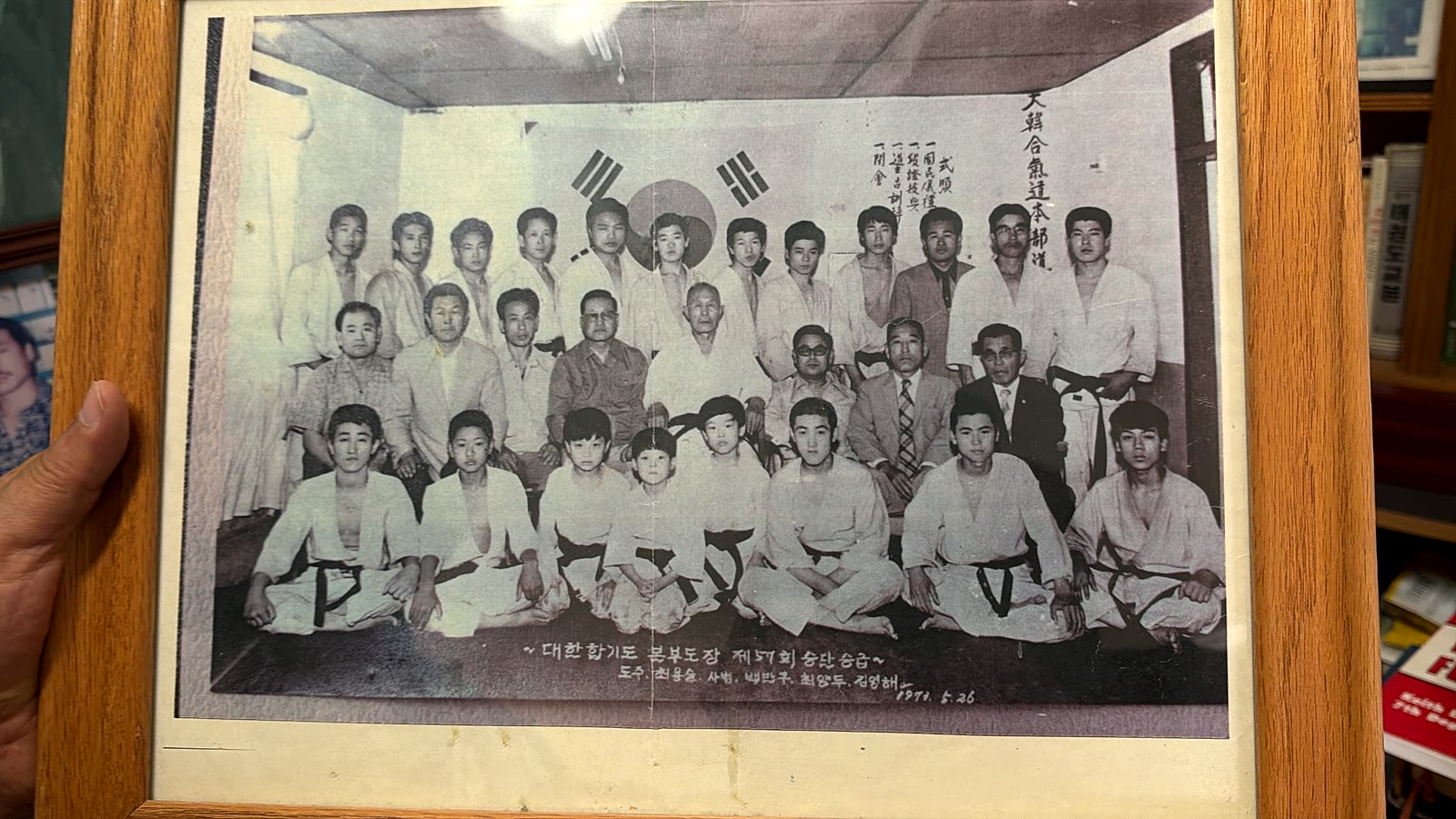
KIMOO is led by Grand Master Jong Yeon Hwang, who trained at the Korea Hapkido Headquarters Dojang from 1971 and holds 8th Dan Hapkido. He won Gold at the 10th Wushu World Cup in Milan in 2005. He received the President's Volunteer Service Award, a White House honor, in 2023. KIMOO received Santa Clara District 2 Business of the Year in 2019.
These are verified facts about the academy's leadership and recognition. Ask the academy for current information about training options, schedules, and practical details.
Frequently asked questions
Is ecological dynamics the same as improvising?
No. Improvisation suggests making something up without a structure. Ecological dynamics uses purposeful tasks, selected constraints, and coaching to help students perceive information and make relevant decisions.
Does this approach replace technique practice?
No. Technical explanation and repetition can remain valuable. The approach adds tasks that help students connect a technique to timing, position, perception, and decisions.
Can beginners use constraints-led drills?
Yes, if the task is appropriate and clearly explained. An instructor can reduce complexity, change the rules, or return to a simpler exercise when a student needs more foundation.
Is more unpredictability always better?
No. Too much uncertainty can make practice confusing or unsafe. The level of variability should match the student's experience and the learning goal.
What should students ask an instructor?
Ask what the drill is designed to teach, what information you should notice, and how to know whether your decision fits the task. Clear questions improve understanding.
Does KIMOO offer ecological dynamics classes?
Do not assume a named framework is a current class offering. Ask KIMOO Martial Arts in Santa Clara how its Hapkido, Taekwondo, self-defence, or competition training is structured. Interested in thoughtful, adaptable movement practice? Book a free trial class at KIMOO Martial Arts in Santa Clara or call (408) 243-1001.
Train with a champion
Book your free trial class at KIMOO Martial Arts in Santa Clara and train under a World Cup gold medalist.
Keep reading