Choosing a Dojo
Adult Wushu Classes in Santa Clara: A Beginner's Guide
Adult Wushu classes in Santa Clara can offer a structured introduction to a martial art with a distinctive movement vocabulary, but each school's curriculum and class format can differ. Before choosing a program, ask what an adult beginner actually practices, how skills are introduced, and whether the teaching approach fits your goals and physical needs. KIMOO Martial Arts lists Wushu among its disciplines. Confirm directly with the academy whether it currently offers an adult Wushu class and what a first visit involves.
Wushu is a broad term for Chinese martial arts, and training styles vary. A class may emphasize forms, athletic movement, or other curriculum elements depending on the school. Do not assume a particular competition format or syllabus from the word Wushu alone. A conversation with the instructor is the best way to understand what you would learn at that specific school.
Start with your reason for training
People explore Wushu for different reasons: interest in martial arts culture, learning coordinated movement, trying a new physical activity, or developing a consistent practice. Write down what matters most to you before contacting a school. Then ask whether the current adult class supports those aims and how the instructor helps newcomers get started.
If you are curious about Wushu after seeing recent competition coverage, distinguish watching high-level performers from beginning a class. A demonstration can show a skilled athlete's ability, but it does not tell you what a beginner's first lessons look like. Ask whether students start with basic positions, balance, mobility, and controlled technique before attempting more challenging movement. The school's own answer is more reliable than assumptions based on a video.
Questions that reveal how beginners are supported
A useful first conversation can cover simple details. Is prior experience required? What should a beginner wear? How does the instructor adapt exercises for different experience levels? Are students expected to train at home between classes? What is the process for asking about an injury or limitation? The answers help you judge whether the program is a good practical match.
Ask for a description of a typical class without expecting every session to be identical. Find out how much time is spent on instruction, individual practice, and partner activities if those are part of the program. If a technique or movement feels unfamiliar, ask how students can pause and get clarification. A beginner should not feel pressured to copy an advanced student before understanding the movement.
If you have a health concern, consult an appropriate healthcare professional about your own situation and tell the instructor what limitations or accommodations you may need. Martial arts instructors can explain their class activities, but they are not a substitute for medical advice. Ask whether modifications are possible rather than assuming every exercise is suitable for everyone.
Evaluate teaching, not just the spectacle
Wushu can look dynamic when performed at a high level. For an adult beginner, however, the everyday quality of instruction matters more than an impressive demonstration. Notice whether explanations are clear, whether students can ask questions, and whether practice is scaled sensibly. Ask what progress looks like for someone with no prior martial arts experience.
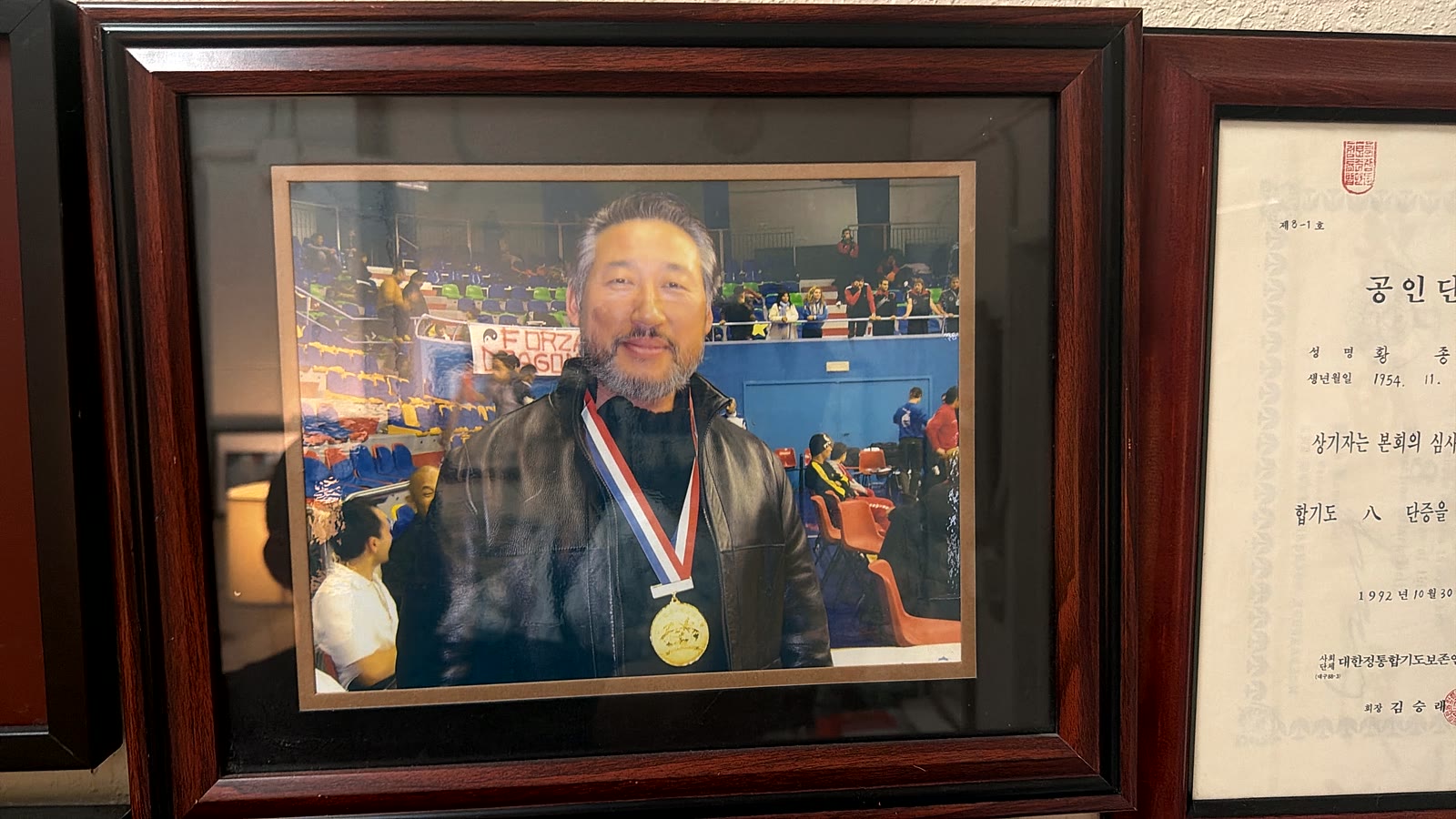
An instructor's background can be relevant, but credentials do not guarantee a particular result for a student. KIMOO's verified academy facts include a Grand Master who holds 8th Dan in Hapkido and earned gold at the 10th Wushu World Cup in Milan in 2005. These are background details, not a promise of outcomes or a statement about the exact content of every current class. Ask how the instructor's Wushu experience informs the program offered today.
Confirm the logistics before deciding
Practical fit often determines whether a student can keep attending. Ask for current class days and times, cost, attendance expectations, clothing requirements, and any equipment needs. These details can change, so confirm them directly instead of relying on old listings. Do not assume a promotion, trial arrangement, or included uniform unless the academy confirms it.
If you are comparing options around Santa Clara, use the same questions at each school: what is taught, who leads the class, how beginners are introduced, how safety is discussed, and what the total commitment involves. Choose based on the answers and your own goals, not on unverified claims about rapid progress or guaranteed self-defence.
KIMOO Martial Arts is in Santa Clara and lists Wushu among its disciplines. Contact the academy to confirm whether adult Wushu classes are currently available and to ask about class details before making plans.
Frequently asked questions
Is Wushu only for experienced athletes?
Not necessarily, but programs differ. Ask the instructor whether adults with no martial arts background can join and how beginners are introduced.
Does KIMOO Martial Arts offer Wushu?
Wushu is among the disciplines listed for KIMOO. Contact the academy to verify the current adult class format and availability.
What should I expect in a first Wushu class?
Ask the academy what a first visit includes, what to wear, and whether any prior experience is expected. The format depends on the program.
Is Wushu the same as one specific competition style?
Wushu is a broad term. Training and competition formats can differ, so ask which curriculum the school teaches.
Can I train if I have a physical limitation?
Discuss your individual situation with a qualified healthcare professional, then ask the instructor whether appropriate modifications are possible. To ask about adult Wushu classes or current availability at KIMOO Martial Arts, call (408) 243-1001.
Train with a champion
Book your free trial class at KIMOO Martial Arts in Santa Clara and train under a World Cup gold medalist.
Keep reading