Kids & Family
Martial Arts and Youth Physical Activity: A Parent's Practical Guide
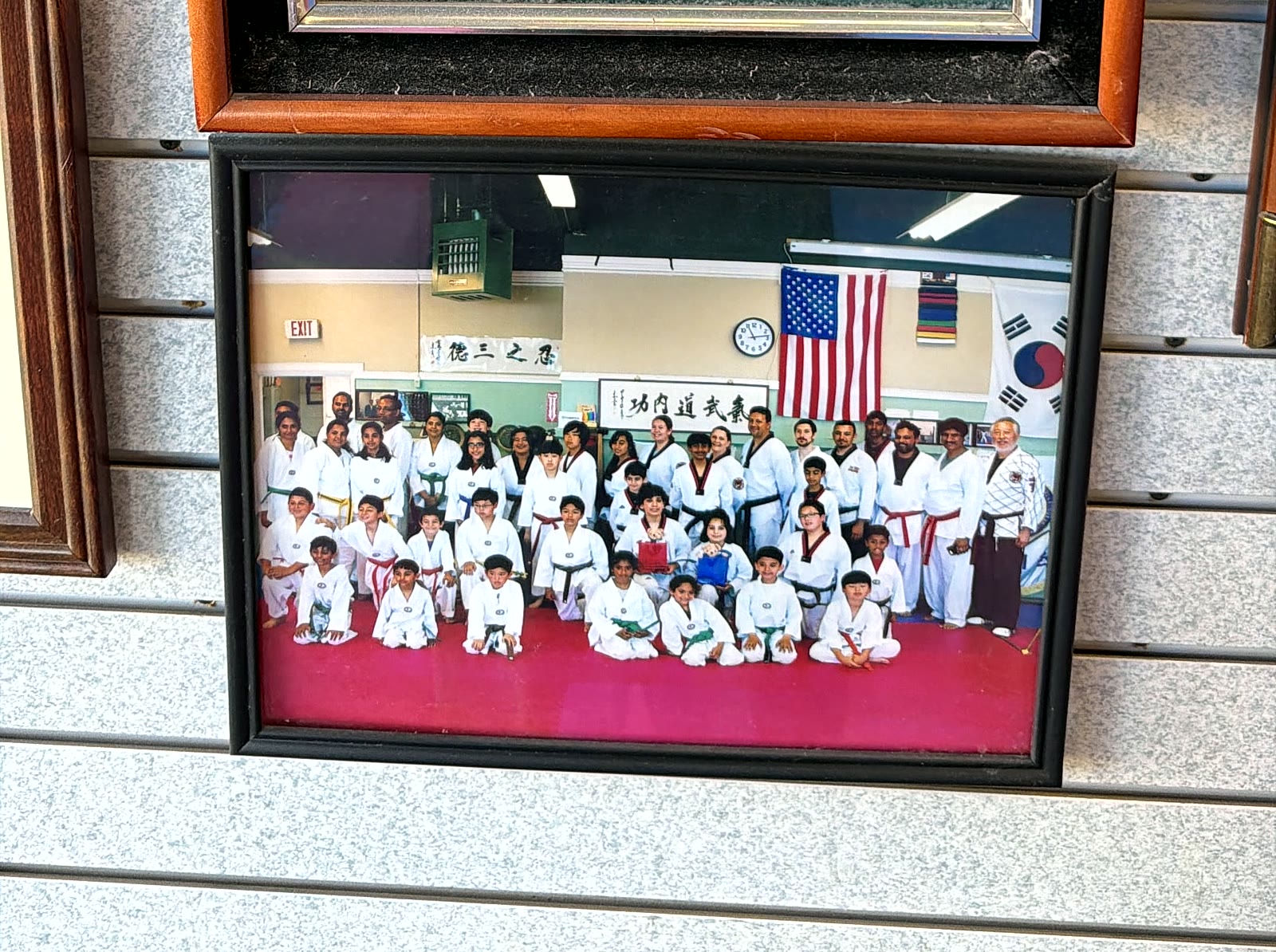
Martial arts and youth physical activity can fit together as one possible part of an active routine, but a class should not be presented as a guaranteed way to meet a child's entire activity target. The U.S. Department of Health and Human Services' Office of Disease Prevention and Health Promotion says youth ages 6 through 17 need at least 60 minutes of moderate-to-vigorous physical activity each day for the most health benefits. Whether a particular class contributes to that amount depends on its length, intensity, and how much of the session a student is actively moving.
That distinction matters for families comparing activities. A class may include instruction, waiting, demonstrations, and practice. The time on the schedule is not automatically equal to time spent in moderate-to-vigorous movement. Instead, ask what happens during a session and think about how it fits with walking, active play, school activity, sports, and other movement your child enjoys.
What current federal guidance says
The Office of Disease Prevention and Health Promotion summarizes the second edition of the Physical Activity Guidelines for Americans. It states that youth ages 6 through 17 should get at least 60 minutes of moderate-to-vigorous activity daily. It also notes that most activity can be aerobic and that youth need activities that strengthen muscles and bones. The guidance is a broad public-health recommendation, not a prescription for any single sport or class.
The federal guidance also emphasizes that any amount of physical activity has some health benefits. Families do not need to view activity as an all-or-nothing challenge or assume one organized program must deliver every kind of movement. A realistic weekly routine can draw on different activities and daily opportunities.
Where martial arts may fit
A martial arts class may offer structured movement, practice following instructions, and a chance to learn techniques. The details vary across disciplines, age groups, instructors, and lesson plans. Some portions may involve continuous movement; others may focus on explanation, observing, or taking turns. As a result, the contribution to a child's daily activity will vary.
Parents can ask what a typical class involves, how beginners participate, and how much time is spent actively practicing. Avoid assuming that all classes have the same intensity or that a particular style automatically satisfies a health guideline. You can use the answer to decide whether martial arts complements your child's current mix of activity.
KIMOO Martial Arts is in Santa Clara, California, and lists Hapkido, Wushu, self-defence, and competition training among its disciplines. The academy can explain its current offerings and class arrangements. This article does not claim that any KIMOO class provides a specific duration, intensity, or health outcome.
Build a varied routine your child can sustain
Children's preferences matter. Some enjoy group instruction, others prefer outdoor play, biking, swimming, dance, or team sports. A family can help by offering appropriate choices, making movement part of ordinary routines, and noticing what keeps the child engaged. The goal is to find activities that fit the child, not to force a single activity to carry the whole schedule.
Consider practical questions such as transportation, timing, the student's interests, and whether the activity can be balanced with rest and other commitments. Check current class details directly with any provider. If a child has a health condition, physical limitation, or medical question, ask a qualified healthcare professional about suitable activity; general physical-activity guidance cannot replace individualized advice.
Questions to ask when considering a class
Before signing up, ask what a beginner's session looks like and whether parents may observe or try an introductory class. Find out what students should wear or bring, and ask which current class is intended for your child's experience and interests. Confirm costs and schedule details directly, since these are academy-specific and may change.
You can also ask how instructors explain movement, how students take turns, and how they can ask for a pause or help. These questions help you understand the class environment without treating a trial as a performance test. Encourage your child to describe what felt enjoyable or unfamiliar afterward.
Use recommendations as a guide, not a scorecard
The daily 60-minute recommendation is a useful reference for ages 6 through 17, but families should avoid using it to judge a child or a single class in isolation. Activity happens across the day, and different forms of movement can contribute. A class may be one component, alongside active transport, play, physical education, or recreation.
When comparing programs, distinguish verified facts from assumptions. The federal guideline describes an overall activity recommendation; it does not endorse a martial arts school or state that every session meets a particular intensity. Ask the instructor about the actual program, then make a decision based on your child's interests and your family's needs.
Frequently asked questions
Do martial arts classes count toward the 60-minute recommendation?
Movement during a class may contribute, depending on its intensity and active time. The class's full scheduled duration should not automatically be counted as moderate-to-vigorous activity.
How much activity do youth ages 6 through 17 need?
The federal guidance summarized by ODPHP recommends at least 60 minutes of moderate-to-vigorous activity each day for youth ages 6 through 17.
Does a child need to do one sport every day?
The recommendation concerns daily physical activity overall, not one specific organized sport. Families can consider different activities across the day and week.
Can martial arts replace other movement?
There is no universal answer. A class's content and intensity vary, and children may enjoy a mix of activity. Ask what a specific class includes and consider the child's overall routine.
What if I have a health concern about my child's participation?
Ask a qualified healthcare professional for individualized guidance before starting or changing physical activity. Then share relevant participation information with the academy as appropriate. To learn whether a class suits your family, book a free trial class with KIMOO Martial Arts or call (408) 243-1001.
Train with a champion
Book your free trial class at KIMOO Martial Arts in Santa Clara and train under a World Cup gold medalist.
Keep reading