Training Tips
Martial Arts Flexibility Training: Build Range with Control
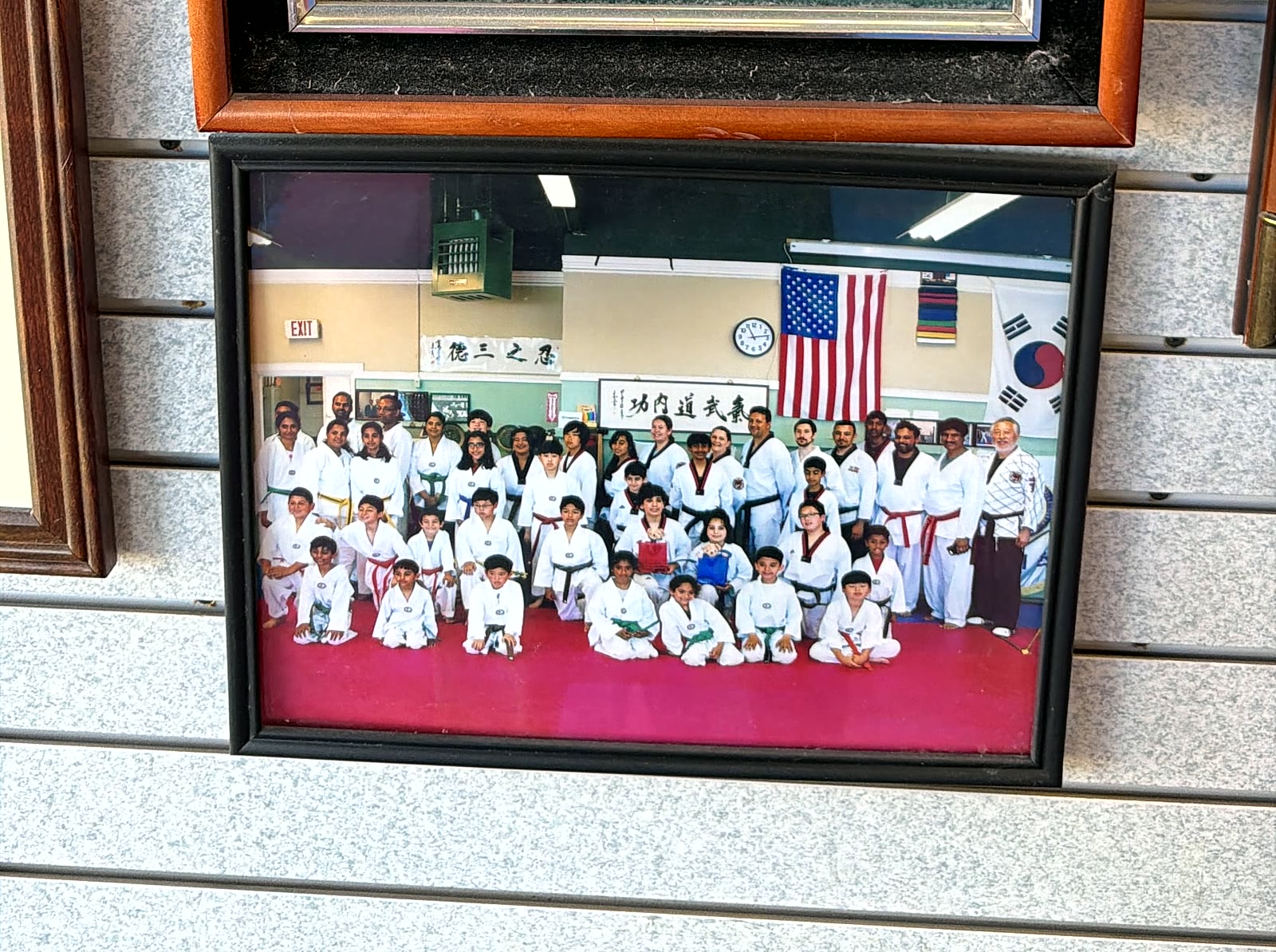
Martial arts flexibility training is not a contest to see who can reach the highest kick or the deepest stretch. A more useful starting point is to ask what range of movement your practice requires, how you can develop it with control, and which guidance fits your class. Flexibility is one quality among many in martial arts, and it does not need to look the same for every student or discipline.
Separate flexibility from a post-class recovery ritual
People often stretch after exercise with the expectation that it will prevent soreness or speed recovery. Those goals are not interchangeable with improving flexibility. A 2025 open-access review comparing post-exercise stretching with no stretching reported no significant improvements in soreness, strength, performance, flexibility, or pain threshold when stretching was used alone as a recovery intervention. Read the review in PubMed Central for its methods and limits.
That finding does not mean every flexibility exercise is useless or that an individual should never stretch. It is a reminder to be precise about your goal. If you want to build range of motion, ask how the practice is meant to support that aim instead of assuming that any stretch after class has the same effect as a planned flexibility routine.
Think in terms of comfortable, controlled range
Flexibility is often described as how far a joint or body area can move. In a martial arts setting, the more practical question is whether you can move through an appropriate range with control for the activity you are learning. A position that looks impressive is not automatically useful, comfortable, or relevant to your instruction.
Do not use another student's high kick, split, or deep stretch as your benchmark. People arrive with different movement histories and current abilities. Ask an instructor which movement qualities matter for your class, whether a particular exercise has a clear purpose, and how to keep it within a range you can manage without forcing.
Ask what kind of stretching fits the goal
A warm-up, a flexibility session, and a recovery routine can serve different purposes. Dynamic movements take place while the body is moving; static stretches involve holding a position. Neither label alone tells you whether an exercise is appropriate for your goal, how it should be performed, or when it belongs in your practice. Ask your instructor to explain why an exercise is included and whether it is intended to prepare you for movement or to develop range over time.
Avoid copying a routine from a short video without checking whether it matches your training and ability. If an exercise causes sharp pain, numbness, or a feeling of instability, stop and ask for guidance rather than pushing through it. For a medical condition, an injury, or uncertainty about a movement restriction, consult a qualified healthcare professional who understands your situation.
Make consistency more useful than intensity
When an instructor recommends flexibility practice, find out what they expect you to focus on and how you should respond if the movement feels uncomfortable. Keep the question simple: can you maintain control, breathe normally, and stop without forcing the end position? You do not need a dramatic range of motion for every session to be worthwhile.
A brief training note can help you remember which movement felt manageable, what felt restricted, and what you want to ask at your next class. Avoid turning the note into a scorecard or increasing the stretch just to report progress. Your instructor can help clarify whether a change is relevant to the technique you are learning.
Match flexibility goals to your martial art
Different classes may emphasize different movements. Rather than assume that Hapkido, Taekwondo, self-defence, or competition training requires a single flexibility standard, ask the instructor what the actual class calls for. Specific practice should follow the curriculum and instruction you receive, not a generic list of advanced stretches.
KIMOO Martial Arts is located in Santa Clara, California, and offers Hapkido, Taekwondo, self-defence, and competition training. The verified information for this academy does not specify a flexibility program, stretch routine, or training result. Contact the academy to ask how movement preparation is handled in the class you are considering.
Frequently asked questions
Do martial artists need to be able to do the splits?
Do not assume that every discipline or student requires that range. Ask your instructor which movements are relevant to your class and avoid using extreme positions as a measure of progress.
Does stretching after class guarantee less soreness?
No. A 2025 review found that post-exercise stretching used alone did not significantly improve soreness or several other measured outcomes. That result concerns a specific use of stretching and is not a guarantee about an individual's experience.
Is dynamic or static stretching better?
The answer depends on the intended purpose and the person. Ask your instructor whether an exercise is meant to prepare you for movement or to develop flexibility, and how to practise it appropriately.
Should I push through discomfort to gain flexibility?
Do not force a stretch. Stop if you experience sharp pain, numbness, or instability, and ask an instructor or qualified healthcare professional for appropriate guidance.
Can I add online stretches to my martial arts practice?
An online routine may not match your class, experience, or needs. Check with your instructor before adding a new exercise, especially if it causes discomfort or you have movement restrictions. For a considered approach to martial arts flexibility training, ask what each movement is intended to develop and stay within a controlled range. Book a free trial class at KIMOO Martial Arts in Santa Clara to ask about current training options, or call (408) 243-1001.
Train with a champion
Book your free trial class at KIMOO Martial Arts in Santa Clara and train under a World Cup gold medalist.
Keep reading