Training Tips
Martial Arts Coaching Feedback: How to Improve with Purpose
Martial arts coaching feedback is most useful when it turns a vague feeling into a clear next step. Instead of hearing only that a technique needs work, a student should learn what to notice, what to change, and how to try again. Receiving feedback well is a skill in its own right, and it can make practice more focused without making training feel complicated.
The goal is not to collect endless corrections. The goal is to understand the most important adjustment for the exercise in front of you, apply it with control, and then check whether the movement has become clearer.
Listen for the main idea
In a busy class, an instructor may offer several details at once. Start by identifying the central point. Is the correction about balance, posture, timing, direction, distance, or the order of the movement? Ask a brief follow-up question if you are not sure.
You can repeat the instruction in your own words to confirm that you understood it. This is not a sign of weakness. It is a practical way to turn a spoken correction into an action you can remember during the next attempt.
Make one change at a time
Trying to fix everything at once can make a familiar technique feel confusing. Choose the detail that has the greatest effect on the movement and give it your attention. Once that adjustment feels more natural, you can work on the next detail.
For example, if an instructor points out both a stance issue and a timing issue, first establish a stable stance at a slower pace. Then add timing without losing the position. A controlled progression makes it easier to know which change helped.
Use slow practice to test understanding
Speed can hide uncertainty. Slowing down gives you time to notice where the movement begins, how weight shifts, and whether you can return to a balanced position. It also gives a partner and instructor a clearer view of what you are trying to do.
Slow practice should still have purpose. Do not simply move without attention. Rehearse the specific correction, pause when needed, and then repeat the movement with the same objective. Once the pathway is clear, ask the instructor whether it is ready for a more dynamic version.
Ask for a useful demonstration
Sometimes a verbal explanation is not enough. Ask whether the instructor can demonstrate the detail again or show the difference between the current version and the adjusted version. Watch the whole movement before focusing on one part.
You can also ask where your eyes, hands, feet, or body position should be at a particular moment. A precise question often leads to a more precise correction. Keep the conversation brief during active practice, then revisit it when the class structure allows.
Apply feedback with a training partner
Partner drills create an opportunity to test whether a correction remains clear when another person is moving. Tell your partner what you are working on and ask them to help you maintain a controlled pace. The purpose is cooperation, not performance pressure.
If either partner is uncertain, pause and ask the instructor. Do not invent a faster or harder version of a drill. Clear communication helps both students practise the intended skill while respecting boundaries and control.
Keep a simple reflection habit
After practice, write down one correction you want to remember and one question you still have. Avoid creating a long list that you cannot use. A short note can help you return to the next class with a specific intention.
You can also describe the correction using action language. Instead of writing that a technique felt awkward, note the adjustment you were given, such as maintaining balance during the transition or completing the movement with control. This makes reflection more practical.
Match feedback to your discipline
The most helpful correction depends on the discipline and the exercise. Hapkido, Taekwondo, self-defence, and competition training can involve different priorities, so ask the instructor how a technical detail supports the lesson's objective.
KIMOO Martial Arts offers Hapkido, Taekwondo, self-defence, and competition training in Santa Clara, California. A trial class is an opportunity to observe how instruction is delivered and how students are guided from explanation to practice.
Understand the role of coaching technology
Current sports conversations increasingly include digital tools and personalised feedback. Technology can help organise observations, but it does not replace the judgement, communication, and context of an instructor. A movement has to be understood within the exercise, the student's goal, and the training environment.
Treat any tool as support rather than an authority. The most useful feedback is feedback you can understand, apply safely, and discuss with a qualified instructor.
Learn from experienced leadership
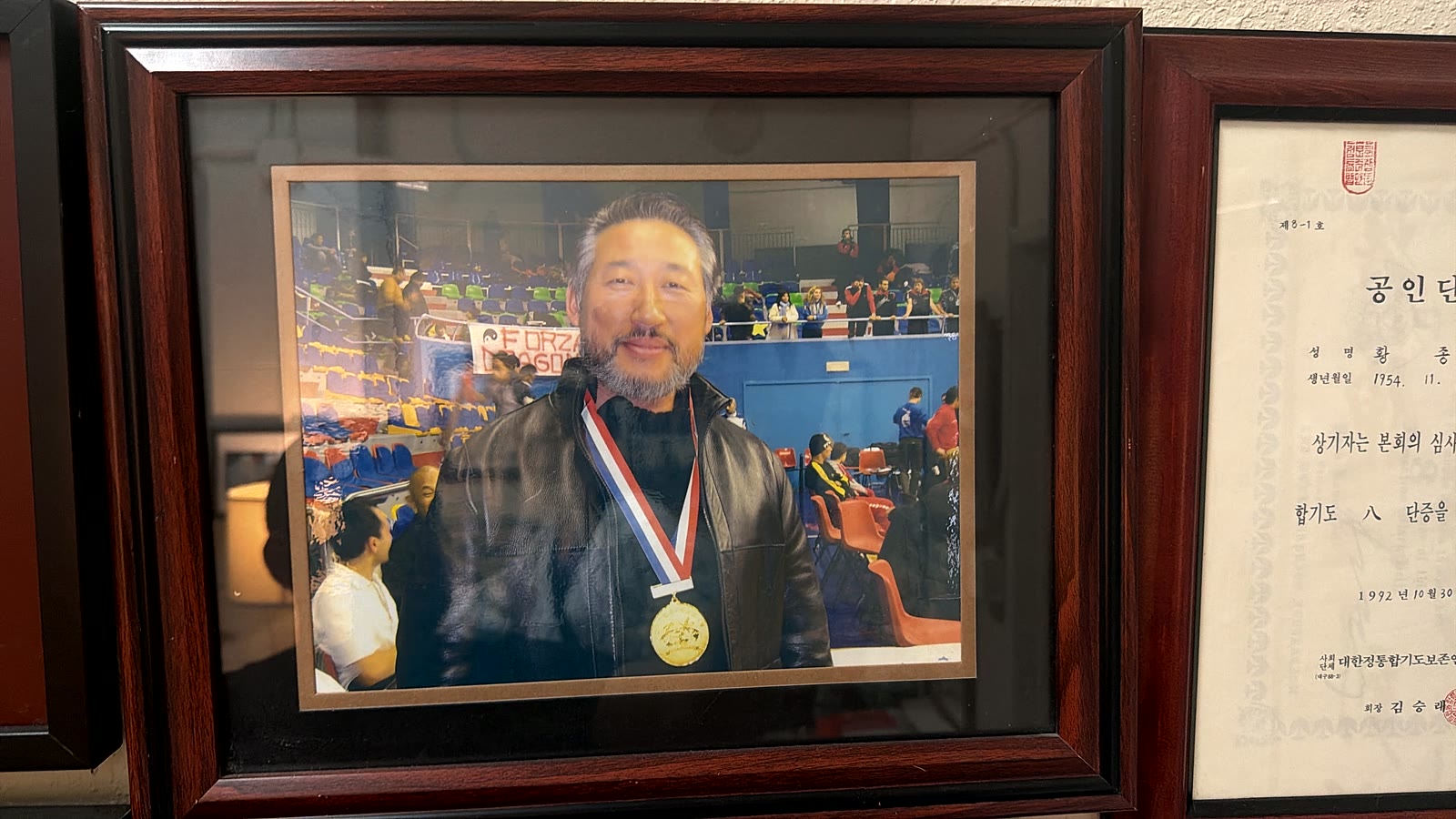
Grand Master Jong Yeon Hwang trained at the Korea Hapkido Headquarters Dojang from 1971 and holds 8th Dan Hapkido. He won Gold at the 10th Wushu World Cup in Milan in 2005. He received the President's Volunteer Service Award, a White House honor, in 2023. KIMOO received Santa Clara District 2 Business of the Year in 2019.
These verified facts offer context about KIMOO and its leadership. Your own training experience can show you whether the academy's explanations and feedback style help you learn with focus.
Frequently asked questions
What should I do when I receive a correction?
Listen for the main idea, ask a short clarifying question if needed, and try the movement again at a controlled pace. Focus on applying the correction rather than defending the original attempt.
How many corrections should I work on at once?
Usually, choose one priority that has the greatest effect on the exercise. Once it becomes clearer, you can add another detail with your instructor's guidance.
Is it useful to practise slowly?
Yes. Slower practice can make balance, sequence, and control easier to observe. Ask the instructor when to increase speed or complexity.
How can a partner help with feedback?
Tell your partner what you are working on, agree on a manageable pace, and pause if either person is unsure. Ask the instructor instead of guessing how to change a drill.
Should I write down every correction?
A short note is more useful than an overwhelming list. Record one key adjustment and one question you want to revisit.
Can technology replace a martial arts coach?
Technology may support observation, but it cannot replace an instructor's context, communication, and judgement. Use tools carefully and discuss important adjustments with a qualified coach. Ready to turn good advice into better practice? Book a free trial class at KIMOO Martial Arts in Santa Clara or call (408) 243-1001.
Train with a champion
Book your free trial class at KIMOO Martial Arts in Santa Clara and train under a World Cup gold medalist.
Keep reading