Should Your Child Compete in Martial Arts Tournaments?
November 9, 20267 min readKIMOO Martial Arts
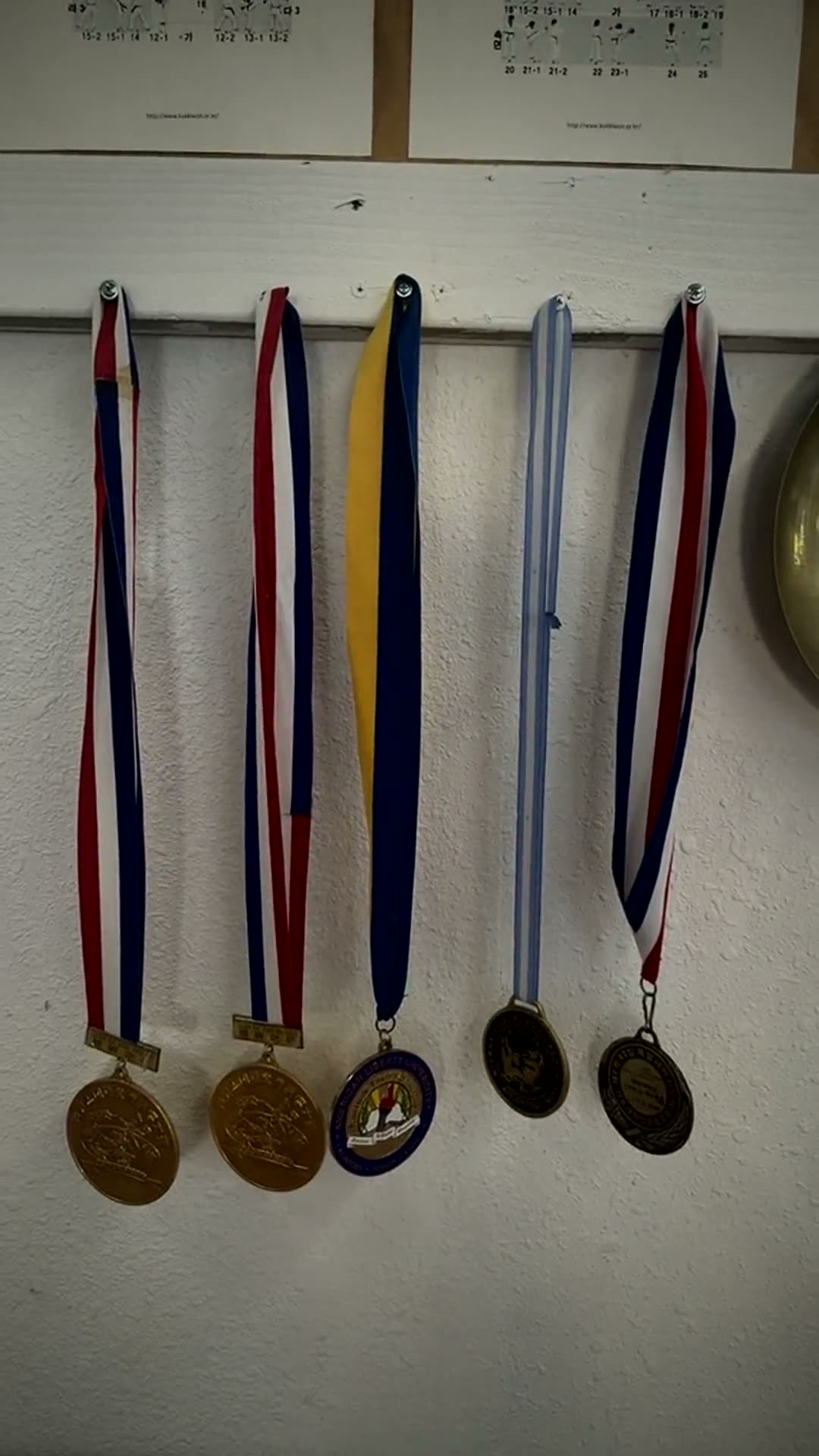
Championship medals at KIMOO Martial Arts in Santa Clara

Your child's instructor has mentioned a tournament. You are now trying to work out whether this is a wonderful opportunity or a stressful weekend involving an early start and a long drive.

It can be either. Here is how to tell which.

What competition actually gives a child

Pressure testing. This is the real one. Technique that works in a familiar class against a familiar partner is not the same as technique that works against a stranger who is trying hard. Competition is the only way to find out which you have.

An unambiguous outcome. Classes are full of encouragement and partial credit. A match is not. For some children that clarity is enormously motivating.

A reason to train with intent. A date on the calendar changes how a child practises. Goal setting works better with a deadline attached.

Perspective. Being the best in your class and then meeting forty children from other schools is a useful experience, in both directions. Children who thought they were exceptional recalibrate; children who thought they were weak often discover they are not.

Handling losing. Done well, this may be the most valuable part. A child who learns to lose, shake hands, and come back next month has learned something that transfers to everything.

What it costs

Worth being concrete, because schools often are not.

  • Entry fees, per event, sometimes per division
  • Travel, and accommodation for anything regional
  • Equipment — competition often requires specific approved gear
  • Time — a tournament typically consumes a full day for perhaps four minutes of competing
  • Extra training sessions, which may carry extra cost

And the cost nobody lists: your Saturdays, for as long as it continues.

What the research says about intensity

This is where it pays to be careful, because the evidence on youth sport is clear and widely ignored.

The American Academy of Pediatrics' clinical report on sports specialisation recommends delaying single-sport specialisation until at least age 15 to 16 to reduce overuse injury risk. Early specialisation is generally defined as year-round training in a single sport before puberty.

The reasons are not only physical. Research associates early specialisation with increased burnout, anxiety, depression and dropping out of sport altogether. Children who play a variety of sports until late adolescence show fewer injuries and greater likelihood of staying in sport long term.

The AAP's actual recommendation is sampling — multiple sports at younger ages, specialising later, which is associated with a greater chance of lifetime sports involvement and of achieving athletic goals.

Some sports are exceptions where peak performance comes before physical maturity, such as figure skating and gymnastics. Martial arts is not one of them. A Taekwondo athlete's peak is well into adulthood, which means there is no competitive argument for pushing a nine-year-old into year-round specialisation.

What this means practically. Entering tournaments is not the same as specialising. A child competing a few times a year while also playing soccer is doing exactly what the research recommends. A child training martial arts five days a week year-round, having dropped everything else, at age ten, is the pattern the research warns about.

The competition is not the risk. The monoculture is.

The signals that say go ahead

  • Your child wants to, having been told honestly what it involves
  • They can lose a match in class without it ruining their week
  • Their technique is sound, not just enthusiastic
  • They are still doing other activities
  • The instructor thinks they are ready, unprompted

The signals that say wait

  • You want it more than they do. This is the single most reliable warning sign.
  • They are anxious about ordinary class, let alone a tournament
  • They have recently said they want to quit — competition will not fix that, and the reasons children quit are usually something else entirely
  • Technique is shaky — competing with poor technique reinforces poor technique under pressure
  • It has become the only thing they do
  • They are in a growth spurt, when coordination is temporarily reduced

None of these are permanent. "Not this one, maybe the spring" is a complete and respectable answer.

If you go

Go to one as a spectator first, without competing. Removes most of the fear, and you will both learn how the day works. The spectator etiquette is worth reading beforehand, and if the event is Taekwondo sparring, the scoring system is explained here — it is much more enjoyable to watch once you know why the score moves.

Decide in advance what counts as success, and make it something other than winning. Competing at all, in front of strangers, is the achievement for a first event.

Pack food and expect to wait. Tournaments run long.

Say almost nothing during the match. Your child cannot process coaching at that moment and will hear your tone rather than your words.

Afterwards, discuss what they did, not what they got. "You kept your guard up the whole second round" is worth more than any comment about the medal, win or lose.

Our approach

Competition training at KIMOO is by invitation, and that is deliberate. We invite students when their technique is ready and their interest is genuine — not to fill a team, and not because a parent asked.

Plenty of our students never compete and progress to black belt. That is a legitimate path and nobody here treats it otherwise. Our competition program is described here.

Talk to us about your child specifically

Rather than deciding from an article, ask us. We watch your child every week and will tell you honestly whether we think this year is the year.

Their first class is free, with no contract, and new students receive a free uniform and white belt. Call (408) 243-1001.

Prepared by a World Cup gold medalist

Grand Master Hwang won gold at the 10th Wushu World Cup in Milan in 2005 and has prepared competitors for national and international events for decades. He also knows exactly what a child who is not ready looks like, and will say so.

Visit us: 2181 El Camino Real, Santa Clara, CA 95050

Frequently asked questions

What age should a child start competing in martial arts?

There is no single right age, and readiness matters more than age. The relevant guidance is about intensity rather than entry: the AAP recommends delaying single-sport specialisation until at least 15 or 16, while competing occasionally alongside other sports is consistent with that advice.

Is competition bad for children?

Competing itself is not the concern. Year-round single-sport specialisation before puberty is associated with overuse injury, burnout, anxiety, depression and dropping out. A child competing a few times a year while playing other sports is doing what research recommends.

How do I know if my child is ready to compete?

Good signs: they want to, their technique is sound, they can lose in class without it ruining their week, they still do other activities, and the instructor raised it unprompted. If you want it more than they do, wait.

What does competing cost?

Entry fees, travel and sometimes accommodation, approved competition equipment, possible extra training sessions, and a full day for a few minutes of actual competition.

Should my child specialise in martial arts to get good?

Not before mid-adolescence. Martial arts peak performance comes well into adulthood, so there is no competitive advantage to early specialisation, and the known costs are significant.

What should I say to my child after a match they lost?

Talk about what they did rather than the result. Naming a specific thing they executed well gives them something repeatable; discussing the medal does not.

Where is KIMOO Martial Arts in Santa Clara?

We are at 2181 El Camino Real, Santa Clara, CA 95050. Call (408) 243-1001.

Train with a champion

Book your free trial class at KIMOO Martial Arts in Santa Clara and train under a World Cup gold medalist.

How Taekwondo Sparring Is Scored: Rules, Points and the 2026 Changes→The Taegeuk Forms: All Eight Poomsae Names and What Each One Teaches→Braces and Martial Arts: Which Mouthguard You Actually Need→Martial Arts for Anxious Children: What the Evidence Supports→Martial Arts During Pregnancy and After Birth: What Guidance Actually Says→Can a Teenager Fit Martial Arts Around Schoolwork?→Will Martial Arts Harm My Child's Growth? What the Research Says About Growth Plates→Korean, Japanese and Chinese Martial Arts: What Actually Separates Them→How to Tie a Taekwondo Belt: The Method That Actually Holds→Dakar 2026 Wushu: What Its Youth Olympic Debut Means→Adult Wushu Classes in Santa Clara: A Beginner's Guide→Youth Sports Safety: Questions Parents Can Ask Before Enrolling→Adult Hapkido Classes in Santa Clara: What Beginners Should Ask→Wushu Taijiquan Gold at Dakar 2026: What the Combined Event Means→Taekwondo Kicks: The Names, the Korean Terms and What Each One Is For→Can You Train Martial Arts With Bad Knees? What the Evidence Says→Keeping Martial Arts Going Over Winter Break in Santa Clara→Martial Arts as a Screen Time Alternative: What the 2026 Guidance Actually Says→Martial Arts Classes for Kids in Santa Clara: A Parent's Visit Checklist→Belt Stripes and Tips: What Those Little Tabs on Your Child's Belt Mean→Does Martial Arts Help Children Sleep Better? What the Research Actually Shows→How Long Until You See Results From Martial Arts? An Honest Timeline→Hapkido Joint Locks: How a Smaller Person Controls a Stronger One→Black Belt Degrees Explained: What 1st Dan Through 9th Dan Actually Mean→Belt Test Nerves: How to Help Your Child Through Grading Day→What Actually Happens at a Belt Grading→Coming Back to Martial Arts After Years Away→What to Eat Around Training: A Practical Guide→Training With Glasses, Old Injuries or Physical Limits→Martial Arts vs a Gym Membership: An Honest Comparison→Nine Martial Arts Myths That Put People Off Starting→Giving Martial Arts as a Gift: An Honest Guide→Martial Arts for College Students in Santa Clara: A Practical Enrollment Guide→Martial Arts and Anxiety: Why a Dojang Helps When a Gym Does Not→How Long Does It Really Take to Get a Black Belt?→Dakar 2026 Wushu: What the Youth Olympic Competition Showed→Board Breaking: Why Martial Artists Do It, and How It Works→Wildfire Smoke and Martial Arts Training: An Air Quality Guide→Why Children Quit Martial Arts — and How to Stop It Happening→Training Martial Arts Alongside Your Child: Does It Work?→The Olympic Pathway in Taekwondo: How LA 2028 Qualification Works→Martial Arts for Weight Loss: The Realistic Numbers→The Dobok: Uniform Rules, Care and Dojang Etiquette Explained→Martial Arts for Desk Workers: An Antidote to Ten Hours Sitting→Karate vs Taekwondo: Which Should You Actually Choose?→Is Martial Arts Safe for Kids? The Injury Numbers, Compared→Girls in Martial Arts: What Parents Should Know→Your First Sparring Session: What It Is Really Like→Adult Beginner Martial Arts Classes in Santa Clara: A First-Step Guide→Youth Sports Heat Acclimatization: A Martial Arts Safety Guide→Women's Self-Defence: What Actually Works, and What Is Theatre→What Actually Happens in Your First Martial Arts Class→What Age Should a Child Start Martial Arts?→Taekwondo Belt Order: Every Colour and What It Means→Starting Martial Arts After 40: What Actually Changes→10 Questions to Ask a Martial Arts School (and 5 Red Flags)→Martial Arts vs Team Sports: Which Is Better for Your Child?→Martial Arts Classes for Friends in Santa Clara: What to Ask→What Do Martial Arts Classes Actually Cost in the Bay Area?→Martial Arts for Kids With ADHD or Autism: What the Research Says→Which Martial Art Is Actually Best for Self-Defence?→Wushu vs. Hapkido Classes in Santa Clara: How to Choose→Martial Arts Sparring and Concussion Safety: A Parent's Guide→Youth Martial Arts Classes in Santa Clara: A Parent's Safety Checklist→Martial Arts and Youth Physical Activity: A Parent's Practical Guide→Wushu Classes in Santa Clara: A Beginner's Guide for Families→Returning to Martial Arts After a Concussion: A Family Safety Guide→Can Martial Arts Count Toward Weekly Activity Goals? A Practical Guide→Kids Martial Arts Classes in Santa Clara for Individual Skill Growth→Women's Self-Defence in Santa Clara: Walk Anywhere, Fear Nothing→Why Santa Clara Families Choose KIMOO Martial Arts→Teen Martial Arts in Santa Clara: Strength With Purpose→Taekwondo in Santa Clara, Taught by a World Cup Gold Medalist→What the 2026 USA Taekwondo and AAU Alignment Means→Martial Arts Near Sunnyvale and Cupertino: Worth the Short Drive→Kids Martial Arts in Santa Clara: Free First Class, Free Uniform→Hapkido in Santa Clara: Learn It From the 1971 Source→A Beginner’s Guide to Hapkido Classes in Santa Clara→Competition Training in Santa Clara: Coached by a World Champion→The Road to Black Belt in Santa Clara — and Why It Cannot Be Bought→Adult Martial Arts in Santa Clara: Better Than Any Gym Membership→USA Taekwondo Poomsae Rules for 2026: A Family Guide→Sibling Martial Arts Classes in Santa Clara: What Families Should Ask→Teen Self-Defence Classes in Santa Clara: A Family's Guide→A New 2026 Adolescent Martial Arts Study: What It Can Tell Us→Martial Arts and DCD: What a 2026 Review Actually Found→Choosing Martial Arts Classes for Coordination in Santa Clara→Taekwondo Premier League Season 2: What the Hyderabad Format Means→Questions to Ask a Martial Arts Academy in Santa Clara Before Visiting→AI Movement Feedback in Martial Arts: What a 2026 Study Suggests→Hapkido Trial Class in Santa Clara: What to Ask Before You Book→Qatar Open Taekwondo 2026 Results: What the Oman Medal Story Shows→After a Martial Arts Trial Class in Santa Clara: How to Decide→Taekwondo 9th Dan Recognition in 2026: How to Read the News→Non-Competitive Martial Arts in Santa Clara: What to Ask→The 2026 School-Based Martial Arts Study: What It Says→Martial Arts Classes for Women in Santa Clara: How to Choose→Taekwondo Kicking Training in Santa Clara: What to Ask→Para Taekwondo at Asian Para Games 2026: Opening Results→2026 World Youth Karate Championships: How to Read the Results→Martial Arts Classes for First Responders in Santa Clara: What to Ask→Dakar 2026 Taekwondo: Dates and a Youth Olympic Storyline→After-School Martial Arts in Santa Clara: A Parent Checklist→Martial Arts Class Safety in Santa Clara: Questions to Ask→Martial Arts Aggression Research 2026: Reading the Evidence→Martial Arts Classes for Veterans in Santa Clara: What to Ask→Hapkido Principles of Flow, Circle, and Harmony: A Guide→Martial Arts Classes for Student Athletes in Santa Clara: What to Ask→Asian Games 2026 MMA Weight Rule: How a Draw Was Resolved→Taekwondo and Cultural Diplomacy: A Recent Kukkiwon Visit→Homeschool Martial Arts Classes in Santa Clara: Questions to Ask→Martial Arts Classes for Remote Workers in Santa Clara: What to Ask→3D-Printed Martial Arts Chest Protectors: A New Fit Concept→Martial Arts Classes for Healthcare Workers in Santa Clara: What to Ask→Kettlebell Training for Martial Artists: How to Start Thoughtfully→Taekwondo Tournament Spectator Etiquette: How to Cheer with Respect→Neurodivergent Students and Martial Arts in Santa Clara: What to Ask→Women's Taekwondo Classes in Santa Clara: What to Ask→Taekwondo Terminology for Beginners: Common Korean Class Words→Taekwondo Sport Anxiety Study: What Recent Injury Research Says→Multi-Style Martial Arts Classes in Santa Clara: A Choosing Guide→What to Wear to a Martial Arts Class in Santa Clara: Trial Guide→Poomsae vs Kyorugi: How Taekwondo Competition Formats Differ→Non-Contact Martial Arts Classes in Santa Clara: Questions to Ask→K41 vs K44 Para Taekwondo: How Classification Shapes Competition→Martial Arts Classes for Parents and Teens in Santa Clara: What to Ask→Hapkido vs Aikido: Key Differences and How to Compare Training→Taekwondo Change-of-Direction Testing: What a 2026 Review Found→Martial Arts Classes for Focus in Santa Clara: Questions to Ask→Martial Arts School Culture in Santa Clara: What to Look For→Kids World Open Taekwondo Championships 2026: What to Know→Self-Defence or Competition Training in Santa Clara: How to Choose→Martial Arts Practice at Home: A Focused Guide to Solo Training→World Taekwondo Grand Prix Paris 2026: Dates and Format→Martial Arts Classes for Introverts in Santa Clara: A First-Visit Guide→Martial Arts and Nonviolence: Training with Restraint→Changing Martial Arts Schools in Santa Clara: Questions to Ask→Martial Arts Flexibility Training: Build Range with Control→Accessible Martial Arts Classes in Santa Clara: What to Ask→Martial Arts Membership in Santa Clara: Questions Before You Join→Martial Arts and Bullying Prevention: A Responsible Guide for Families→Martial Arts Gear in Santa Clara: What to Ask Before You Buy→Hydration for Martial Arts Training: A Practical Guide→De-escalation and Self-Defence Training in Santa Clara: What to Ask→Martial Arts Training Journal: A Simple Post-Class Guide→Poomsae vs Kyorugi: Two Taekwondo Competition Formats→Martial Arts Class Size in Santa Clara: What to Ask→Virtual Taekwondo at Asian Games 2026: How It Works→Hapkido Instructor in Santa Clara: What Credentials Can Tell You→Martial Arts Training Plateau: How to Find a Productive Next Step→Hapkido Self-Defence in Santa Clara: Questions to Ask Before You Choose→Taekwondo at LA 2028: Events, Classes, and What to Know→Adult Taekwondo Classes in Santa Clara: How to Choose→Martial Arts and Cognitive Engagement: What Recent Research Says→Martial Arts Classes for Caregivers in Santa Clara: What to Consider→Open-Skill Martial Arts Training: Why Adaptability Matters→Martial Arts Classes for Teachers in Santa Clara: A Thoughtful Guide→Representative Martial Arts Training: A Practical Guide→Martial Arts Classes for Shift Workers in Santa Clara: What to Ask→Travel Safety Martial Arts Classes in Santa Clara: What to Ask→External Focus in Martial Arts Training: A Practical Guide→Kids Martial Arts Classes in Santa Clara: A Parent's Guide→Guided Discovery in Martial Arts Training: A Practical Guide→Martial Arts Resilience Training: Build a Steadier Practice→Martial Arts for Personal Safety in Santa Clara: What to Ask→Deliberate Practice in Martial Arts: A Smarter Way to Train→Adult Hapkido Training in Santa Clara: What to Ask→Private Martial Arts Lessons in Santa Clara: Questions to Ask→Ecological Dynamics in Martial Arts Training: A Practical Guide→Martial Arts Interoception: Learn to Notice Your Body→Martial Arts Classes for New Residents in Santa Clara→Martial Arts Social Connection: How Shared Practice Works→Martial Arts Classes for Seniors in Santa Clara: What to Ask→Martial Arts Classes for Parents in Santa Clara: A Practical Guide→Martial Arts Breakfall Training: Why Safe Falling Matters→Martial Arts Classes for Adults Returning to Exercise in Santa Clara→Embodied Martial Arts Training: Learn Through Movement→Martial Arts Prehab: A Smarter Way to Prepare for Training→How to Choose Martial Arts Classes for Runners in Santa Clara→Martial Arts Video Analysis: Use Recording with Purpose→How to Choose Martial Arts Classes for Tech Professionals in Santa Clara→Martial Arts Coaching Feedback: How to Improve with Purpose→How to Choose Martial Arts Classes for College Students in Santa Clara→Martial Arts Warm-Up Drills for Focused, Safer Practice→How to Choose Martial Arts Classes for Couples in Santa Clara→How to Choose Taekwondo Competition Training in Santa Clara→Augmented Reality Martial Arts Training: What Students Should Know→Martial Arts Peripheral Vision Training: A Practical Guide→How to Compare a Martial Arts Class Schedule in Santa Clara→How to Choose Self-Defence Classes for Beginners in Santa Clara→Martial Arts Distance Management: Train Position with Purpose→Martial Arts Training Load Management: Train with Purpose→How to Choose Martial Arts Classes Near Me in Santa Clara→Strength Training for Martial Artists: A Balanced Guide→How to Choose Martial Arts Classes Near Santa Clara→Martial Arts Training Apps: A Smart Guide for Students→How to Choose a Martial Arts Instructor in Santa Clara→Martial Arts Rhythm Training: Build Better Timing→Martial Arts Class Cost in Santa Clara: Questions to Ask→Martial Arts Skill Retention: How to Remember What You Learn→Back-to-School Martial Arts in Santa Clara: A Family Guide→Wearable Technology for Martial Arts: A Smart Training Guide→Martial Arts Belt Testing in Santa Clara: What to Ask→How to Choose Martial Arts Classes After Work in Santa Clara→Gamification in Martial Arts Training: Use Play with Purpose→Martial Arts Classes for Stress Relief in Santa Clara: How to Choose→AI Martial Arts Training in 2026: What Technology Can Do→Martial Arts Coordination Classes in Santa Clara: What to Look For→Constraint-Led Martial Arts Training: A Practical Introduction→Slow Martial Arts Practice: Why Precision Comes First→Martial Arts Training Goals in Santa Clara: Find Your Fit→Self-Defence Training for Commuters in Santa Clara→Martial Arts Situational Awareness: A Practical Training Guide→Martial Arts Decision-Making Under Pressure: Train the Process→Your First Martial Arts Class in Santa Clara: A Simple Guide→Martial Arts Footwork Training: Build Better Movement Habits→Martial Arts Classes for Teens in Santa Clara: A Parent's Guide→Martial Arts Training Recovery: A Smarter Way to Practise→Adult Martial Arts Training in Santa Clara: How to Choose Well→Martial Arts School Comparison in Santa Clara: A Practical Guide→Martial Arts Motor Learning: How Skills Become More Precise→Martial Arts Proprioception Training for Better Body Awareness→How to Choose a Korean Martial Arts Academy in Santa Clara→Martial Arts Self-Regulation: Train Attention with Purpose→How to Choose Martial Arts for Confidence in Santa Clara→Choosing Taekwondo Self-Defence Training in Santa Clara→Martial Arts Goal Setting for More Purposeful Training→How to Choose Taekwondo Fitness Training in Santa Clara→Martial Arts Mental Rehearsal for More Focused Practice→How to Choose Martial Arts for Fitness in Santa Clara→Martial Arts Cross-Training: How to Combine Skills with Purpose→How to Choose Women's Self-Defence Classes in Santa Clara→Martial Arts Injury Prevention: Safer, Smarter Training Habits→Martial Arts Etiquette for Beginners: A Practical Guide→Family Martial Arts in Santa Clara: How to Choose a Dojo→How to Choose a Martial Arts Trial Class in Santa Clara→Martial Arts Partner Drills: How to Train with Purpose→Martial Arts Forms Training: How to Practise with Purpose→Hapkido Classes in Santa Clara: A Guide for New Students→What to Look for in Taekwondo Classes in Santa Clara→Martial Arts Reaction Time Training: A Smarter Way to Practise→Martial Arts Breathing Techniques for Better Training→How to Find Beginner Martial Arts Training in Santa Clara→Martial Arts Mobility and Balance Training for Everyday Movement→How to Choose Competition Martial Arts Training in Santa Clara→How Martial Arts Builds Focus and Discipline→How to Choose Adult Self-Defence Classes in Santa Clara→Hapkido vs Taekwondo: Which Martial Art Is Right for You?→How to Choose the Best Martial Arts Dojo in Santa Clara→