Training Tips
Martial Arts Interoception: Learn to Notice Your Body
Martial arts interoception is an emerging topic in movement and performance conversations. Interoception means noticing signals from inside the body, such as breathing, heartbeat, effort, tension, and the sensation of settling after activity. In martial arts, this idea can add a useful layer to technical practice: before asking how a movement looks, a student can also learn to notice how the movement feels.
This is not a claim that one class produces a guaranteed physical or mental result. It is a practical framework for paying closer attention, communicating clearly, and making responsible training choices. If you have a medical concern, consult a qualified healthcare professional before changing your exercise routine.
What interoception means in practice
Body awareness is a broad phrase. Interoception is more specific because it focuses on internal signals. A student may notice that breathing has become shallow, that unnecessary tension is building in the shoulders, or that effort is rising faster than expected. These observations are information, not a diagnosis.
The goal is not to monitor every sensation anxiously. It is to develop a calm habit of noticing, then decide what action is appropriate. That may mean adjusting pace, asking a question, taking a pause, or reporting a concern to the instructor.
Pair breath with attention
Breathing can provide a simple anchor during practice. Notice whether you are holding your breath during a technical sequence, rushing the exhale, or losing attention while trying to remember the next step. You do not need to force a special breathing pattern unless an instructor teaches one.
Try a quiet check before a drill. Ask yourself whether your breath feels easy, strained, or inconsistent with the effort you are making. After the drill, check again. This brief comparison can help you notice how the exercise affected your attention and effort.
Notice tension without chasing perfection
Martial arts uses coordinated movement, and concentration can sometimes lead a student to tense more than necessary. Interoceptive attention gives you a way to notice that pattern. Check your jaw, hands, shoulders, and breath when you feel stuck.
Do not interpret every sensation as a problem. Some effort is part of learning. The useful question is whether the tension helps the task or interferes with clear movement. Ask the instructor for guidance instead of guessing, especially when discomfort persists.
Use effort as information
Effort is not a simple measure of success. A familiar movement may feel easier, while a new coordination task may feel demanding even when it is performed slowly. Notice what kind of effort you are experiencing: concentration, muscular work, uncertainty, or general fatigue.
This distinction helps you describe your experience more accurately. Instead of saying only that a drill felt hard, you might say that the sequence was mentally busy or that you were holding tension while balancing. Specific information gives an instructor a better basis for feedback.
Build a short pre and post check
A simple routine can make body awareness easier to practise. Before training, notice your breathing and general energy without trying to change either. During a drill, select one signal to monitor, such as breath or shoulder tension. Afterward, pause and note what changed.
Keep the check brief. The point is to support learning, not interrupt every movement. If focusing inward makes you feel distressed or overly concerned, stop the exercise and speak with a qualified professional about your situation.
Connect awareness to responsible training
Interoception should support good judgment. Pain, dizziness, unusual shortness of breath, or other concerning symptoms are not challenges to ignore. Pause and communicate. An instructor can help with training questions, while a healthcare professional can advise on medical concerns.
Partner work also benefits from awareness. Notice your distance, speed, and contact, then listen to your partner's signals. Responsible practice includes the ability to slow down, stop, or ask for clarification. Body awareness is valuable when it strengthens communication rather than encouraging students to push through every warning.
Explore martial arts in Santa Clara
KIMOO Martial Arts offers Hapkido, Taekwondo, self-defence, and competition training in Santa Clara, California. If you are curious about applying body awareness to martial arts, ask how an instructor explains breathing, effort, technique, and safe practice. Let the academy describe its approach rather than assuming that every discipline uses the same method.
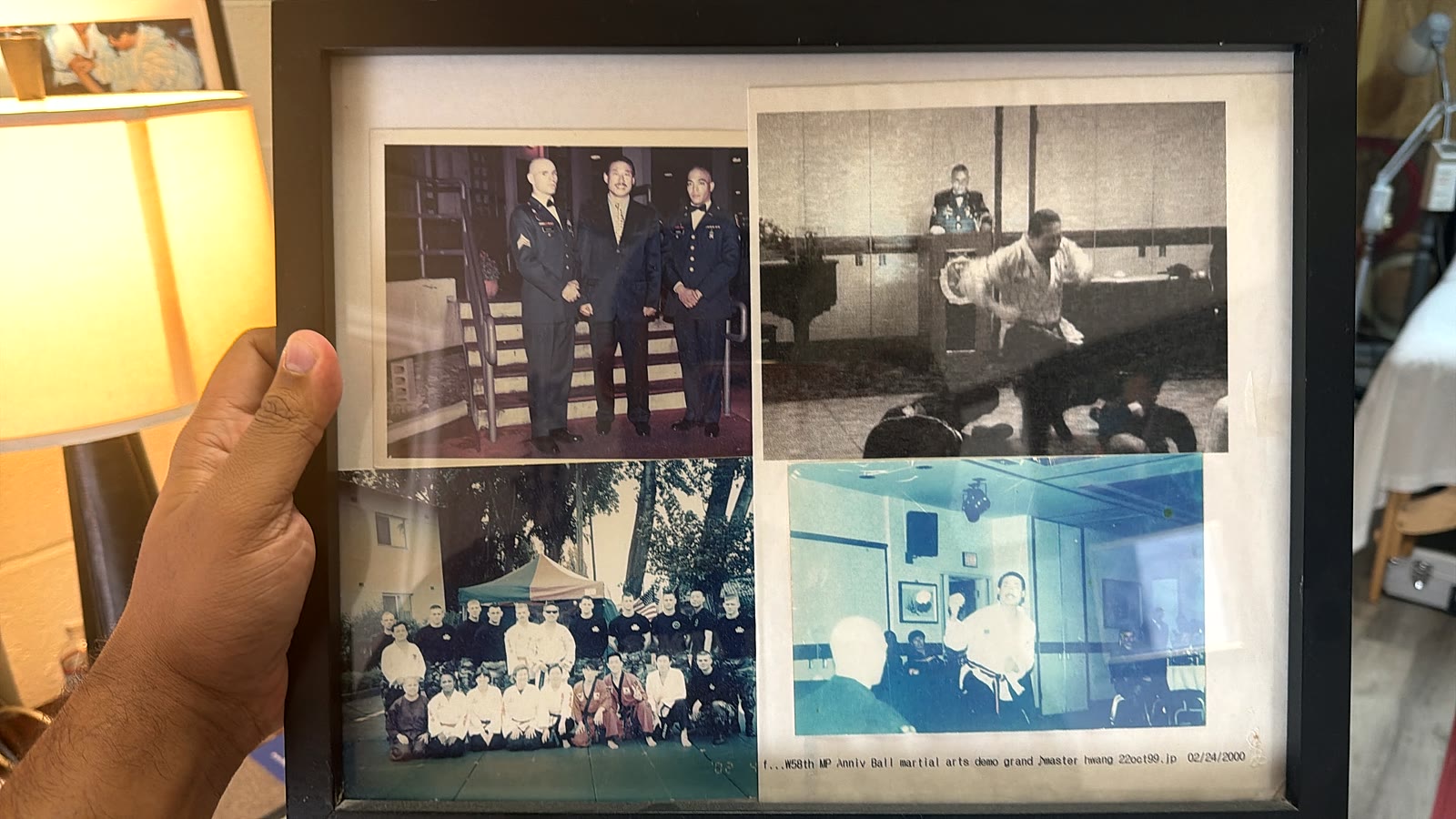
KIMOO is led by Grand Master Jong Yeon Hwang, who trained at the Korea Hapkido Headquarters Dojang from 1971 and holds 8th Dan Hapkido. He won Gold at the 10th Wushu World Cup in Milan in 2005. He received the President's Volunteer Service Award, a White House honor, in 2023. KIMOO received Santa Clara District 2 Business of the Year in 2019.
Frequently asked questions
Is interoception the same as flexibility or balance?
No. Flexibility and balance describe particular physical capacities. Interoception refers to noticing internal body signals. The skills can be discussed together, but they are not identical.
Can I practise interoception as a beginner?
Yes. Start with a simple breath or effort check before and after a drill. Keep it brief and ask the instructor for guidance if you are unsure what you are noticing.
Should I change my breathing during training?
Do not force a breathing pattern. Notice your breath and follow any specific instruction from a qualified instructor. Stop and seek appropriate advice if breathing feels unusually difficult.
Does noticing tension mean I am doing a technique incorrectly?
Not necessarily. Tension can occur while learning. Treat it as information, then ask an instructor whether the sensation is expected or whether the movement needs adjustment.
How can body awareness help with partner practice?
It can help you notice speed, distance, contact, and your own response. Use that information to communicate, slow down, pause, or request clarification when needed.
When should I stop and seek medical advice?
Stop when you experience concerning symptoms such as pain, dizziness, or unusual shortness of breath. Speak with a qualified healthcare professional about medical questions before returning to exercise. Interested in a more attentive approach to movement? Book a free trial class at KIMOO Martial Arts in Santa Clara or call (408) 243-1001.
Train with a champion
Book your free trial class at KIMOO Martial Arts in Santa Clara and train under a World Cup gold medalist.
Keep reading