Training Tips
Martial Arts Skill Retention: How to Remember What You Learn
Learning a martial arts technique is one achievement. Remembering it well enough to perform with control, adapt to a prompt, and keep improving is another. Martial arts skill retention depends on how you practise, not simply on how many times you repeat a movement in one session.
A thoughtful approach gives the mind time to process a skill and gives the body repeated opportunities to find it again. The goal is not to chase perfect performance every time. It is to create practice that is focused, varied, and supported by useful feedback.
Understand the difference between recognition and recall
A movement can look familiar when an instructor demonstrates it. That recognition is helpful, but it is not the same as recalling the movement independently. During practice, pause occasionally and see whether you can describe the purpose, starting position, and first action before following the demonstration.
If you cannot remember a detail, ask a clear question and return to the movement with attention.
Use spaced practice
Spacing practice across multiple sessions can be more useful than trying to complete every repetition at once. After learning a technique, revisit it later rather than assuming that a long first session has made it permanent. Each return is an opportunity to retrieve the pattern and notice what needs correction.
Your instructor’s plan should come first. At home, keep any review simple and safe. You can mentally rehearse terminology or write down a sequence, but do not practise a technique in a way that risks injury or involves another person without appropriate supervision.
Make repetitions purposeful
Repetition is valuable when you know what you are trying to improve. Choose one detail, such as posture, breathing, foot placement, hand position, or a controlled finish, and give it your full attention. After several repetitions, reflect on whether the detail became clearer.
Avoid treating every repetition as a race. Speed can be developed when the instructor considers it appropriate, but accuracy and control give a movement a reliable foundation. A slower practice can also make it easier to notice tension or unnecessary motion.
Add useful variation
A skill should not be tied to one perfectly predictable setting. Once an instructor has established the fundamentals, appropriate variation can help you learn the underlying idea rather than memorise a single visual pattern. A change in direction, distance, rhythm, or starting position may prompt you to apply the principle with more awareness.
Variation must be suitable for the student and the lesson. Do not create improvised challenges with a partner or change an exercise in a way that conflicts with the instructor’s directions. Ask how a technique can be practised safely before adding difficulty.
Ask for specific feedback
General praise can be encouraging, but specific feedback is easier to use. Ask an instructor which part of the movement should receive attention next. You might ask about balance, timing, alignment, control, or the transition between two steps.
Listen to one correction at a time. Trying to fix everything simultaneously can make a practice feel confusing. Apply the correction, then check whether the movement feels or looks different. Good feedback turns repetition into learning rather than mere activity.
Keep a concise training record
A short note after class can improve your next practice. Record the technique or concept covered, one detail you want to remember, and one question for the next lesson. You do not need a complicated system. A few accurate words are often more useful than a long account written without focus.
Review the note before your next session. Try to recall the key point before reading it. This small pause helps you identify what stayed with you and what deserves another explanation.
Let instruction guide progression
Retention is not a reason to rush into advanced variations. A technique that can be recalled in isolation may still need careful practice with timing, distance, or a partner. Follow the instructor’s progression and respect the academy’s safety expectations.
KIMOO Martial Arts offers Hapkido, Taekwondo, self-defence, and competition training in Santa Clara, California. Ask an instructor how the training path supports strong fundamentals and how you can review material responsibly between classes.
Learn from a deep martial arts tradition
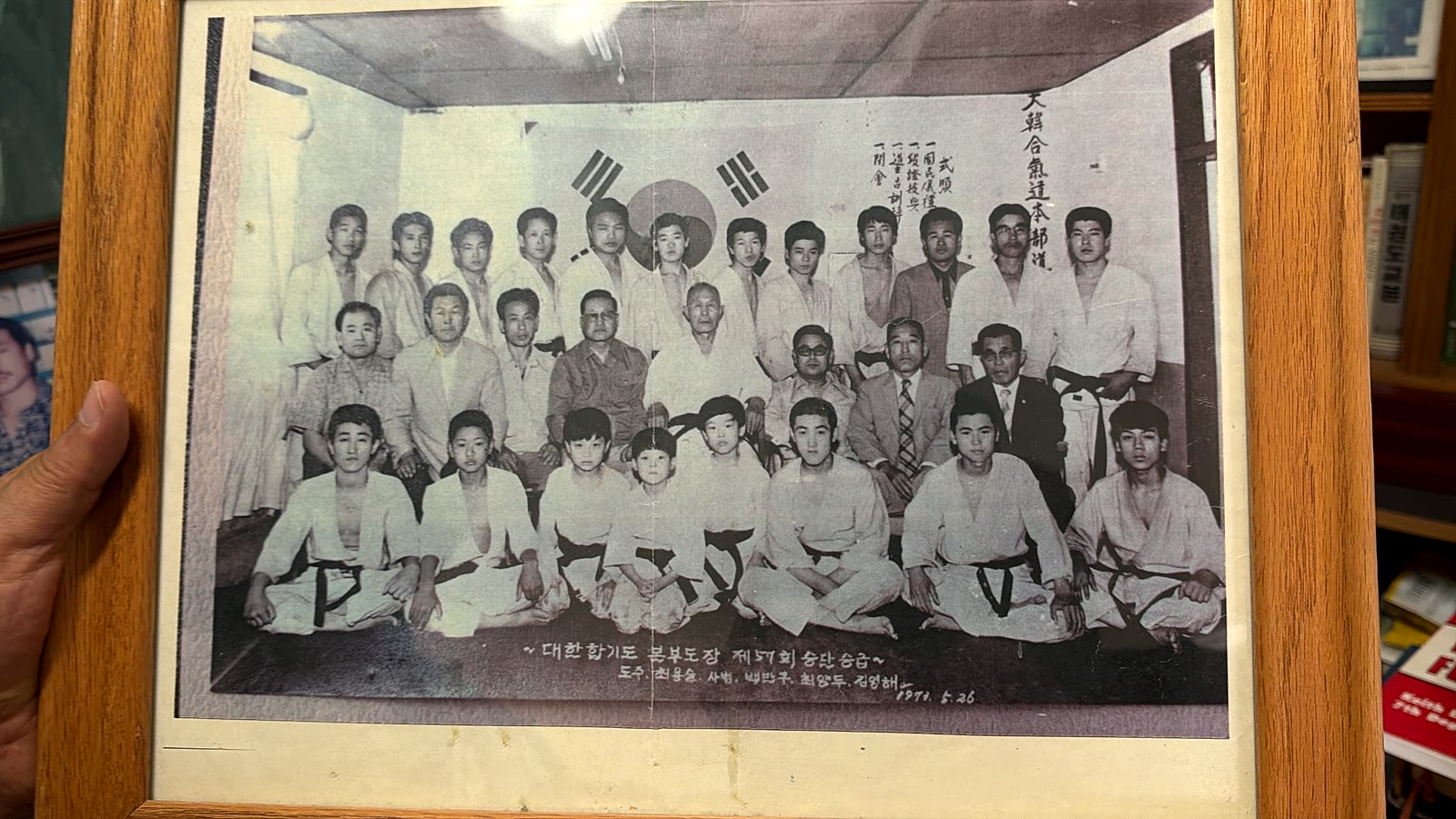
Grand Master Jong Yeon Hwang trained at the Korea Hapkido Headquarters Dojang from 1971 and holds 8th Dan Hapkido. He won Gold at the 10th Wushu World Cup in Milan in 2005. He received the President’s Volunteer Service Award, a White House honor, in 2023. KIMOO received Santa Clara District 2 Business of the Year in 2019.
Skill retention grows through attention, humility, repetition, and a willingness to receive correction.
Build a personal retention routine
After each session, choose one technique or idea to remember. Recall it without looking at your notes, write a brief reminder, and revisit the point during a later session. Ask for feedback before increasing complexity. If the movement becomes unclear, return to the fundamentals rather than forcing it.
Consistent practice gives your instructor better questions to answer and gives you a clearer sense of progress. Over time, what you learn in class can become a more dependable part of your martial arts vocabulary.
Frequently asked questions
How long does it take to remember a martial arts technique?
There is no universal timeline. Retention depends on the technique, the quality of practice, feedback, and the time between reviews. Ask your instructor how to approach the specific skill.
Is repeating a movement many times in one session enough?
Not always. Spaced review and purposeful repetition give you chances to recall the movement again after time has passed. Follow the academy’s guidance for a safe practice plan.
Should beginners practise at home?
They can review notes or mentally rehearse safely, but physical practice should follow the instructor’s guidance. Do not attempt risky movements or unsupervised partner drills.
Why practise slowly?
Slower practice can make it easier to notice posture, balance, control, and unnecessary tension. Speed should be added when it supports the lesson rather than hiding technical errors.
How can I ask for better feedback?
Ask one specific question about the movement, such as which detail to focus on next. Then apply that correction and check your understanding with the instructor.
What should I do when I forget a technique?
Pause, return to the fundamentals, and ask for clarification. Forgetting a detail is useful information about what needs another careful review. Strengthen your foundations through focused instruction at KIMOO Martial Arts in Santa Clara. Book a free trial class, or call (408) 243-1001.
Train with a champion
Book your free trial class at KIMOO Martial Arts in Santa Clara and train under a World Cup gold medalist.
Keep reading