Choosing a Dojo
Accessible Martial Arts Classes in Santa Clara: What to Ask
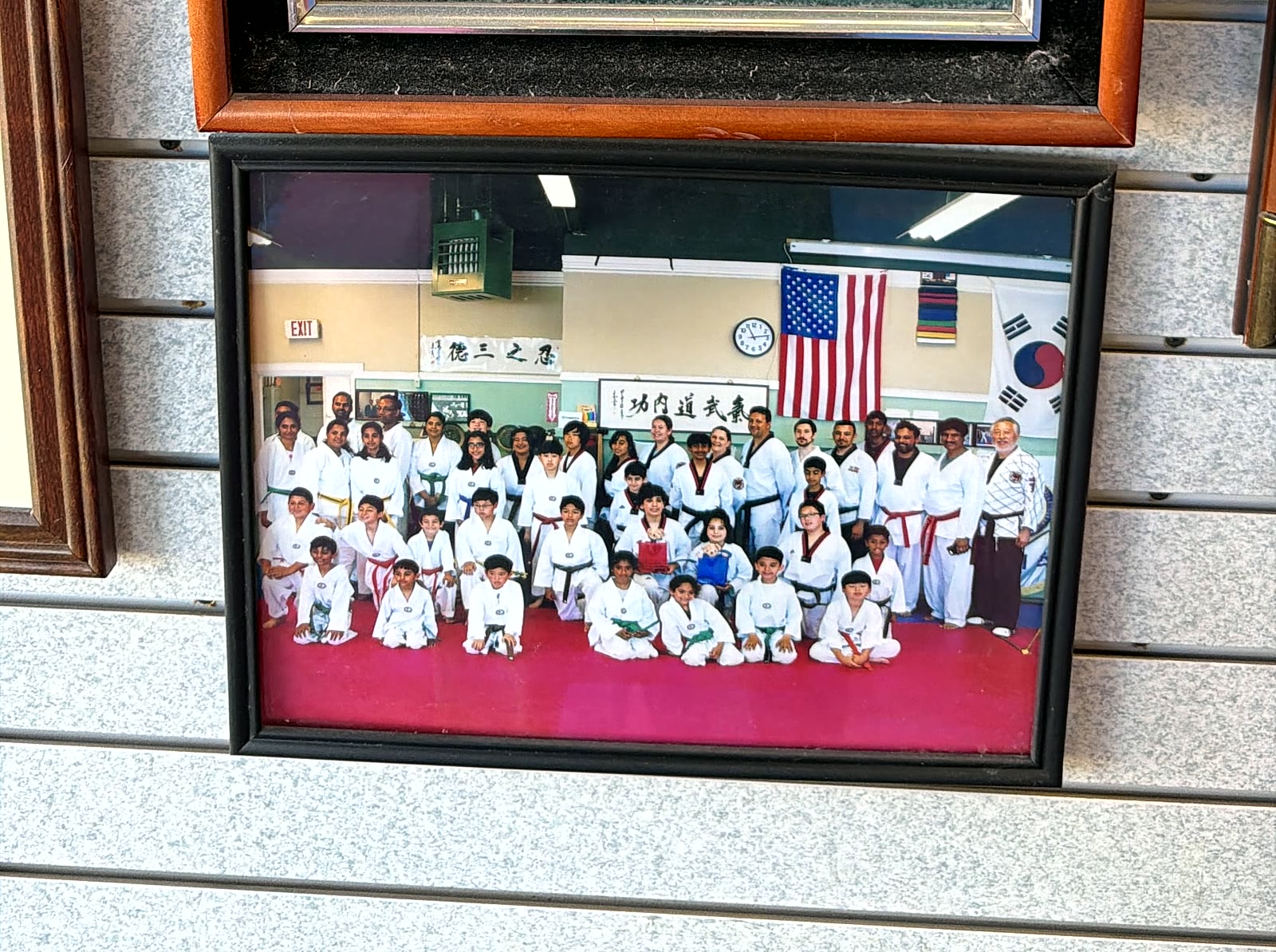
Looking for accessible martial arts classes in Santa Clara starts with a conversation about what you need to participate comfortably and safely. Access is personal: a feature that matters to one student may not matter to another. Rather than assuming what a school offers, describe the conditions that are important to you and ask an instructor which parts of the class can accommodate them. This guide is a checklist for prospective students, not a claim about any academy's facilities or services.
Describe what would make participation workable
Before you contact a school, make a short list of practical questions. These might concern how you enter the building, move through the training space, follow instructions, take part in partner work, or request a pause. You do not need to disclose more personal information than you are comfortable sharing. The goal is to discuss what happens in class and determine whether the instructor can respond clearly to your particular needs.
If a specific feature is essential, ask about it directly and request a concrete answer. For example, you might ask whether the entrance and practice area are usable for your mobility needs, how directions are communicated, or whether you can observe before joining an activity. Do not treat a general statement such as "everyone is welcome" as a substitute for checking the details that affect your participation.
Ask about movement and class activities
Martial arts classes can involve different movements and ways of practising. Ask what the class you are considering includes, and whether movements can be adjusted when needed. If partner exercises are part of the class, ask how students choose a partner, communicate limits, and pause an activity. A useful conversation should distinguish between what the instructor can adapt, what cannot be changed, and what you would need to experience for yourself.
If you use a mobility aid or have a specific way of moving, you can ask whether the practice area has enough space and whether transitions between activities are predictable. These are examples of questions, not assumptions about the academy. Be clear about any limitations that directly affect class safety, and ask the instructor to explain how they would handle a situation if an exercise is uncomfortable or unsuitable.
Check communication and instruction style
Access can depend on how instructions are delivered. Ask whether directions are mainly verbal, demonstrated, written, or given through more than one method. If you benefit from extra time to understand a new activity, ask how you can request clarification. If noise, visual information, or sudden changes affect your ability to participate, explain what would make directions easier to follow and ask whether that is feasible in the class.
You can also ask what a student should do when they need to stop, rest, or get help. Look for a clear, respectful answer rather than a promise that every possible need can be met. An instructor should be able to explain the class structure and its limits so that you can make an informed choice.
Use a first visit to confirm practical details
A trial visit can help you assess the space, hear the instructions, and decide whether the actual class matches the conversation you had beforehand. Before going, ask what you need to know about arrival, participation, observation, or clothing. Do not assume that a trial visit automatically includes a particular accommodation or activity; confirm it with the academy.
During the visit, notice whether you can move through the parts of the space that matter to you and whether you feel comfortable asking questions. It is reasonable to request clarification if an activity changes unexpectedly. Afterward, reflect on which requirements were met, which questions remain open, and whether the instructor's answers were specific enough for you to decide.
Make a decision without pressure
A thoughtful academy conversation should welcome precise questions, respect your boundaries, and avoid pushing you into a choice before important details are clear. You can compare answers from more than one provider and take time to decide. A school may be a good fit for one student's needs and not another's; the important thing is to confirm what this class can actually offer you.
For a broader perspective on inclusive sport, UNESCO's 2026 resource is titled Breaking the barriers: a step-by-step guide to inclusive sport. For advice about a medical condition, movement restrictions, or exercise safety, ask a qualified healthcare professional who understands your circumstances. A martial arts instructor can explain the class, but should not be treated as a clinician.
KIMOO Martial Arts is located in Santa Clara, California, and offers Hapkido, Taekwondo, self-defence, and competition training. Those verified facts do not specify the academy's accessibility features or accommodation policies. Contact KIMOO directly to ask what its current classes and facilities can accommodate before making plans.
Frequently asked questions
How do I find accessible martial arts classes in Santa Clara?
Start by identifying the features that matter to your participation, then ask each academy specific questions about its facility, instruction, movements, and class activities. Confirm the answers rather than relying on general descriptions.
Should I mention my access needs before a trial class?
If a need could affect safe participation or whether the class is workable for you, raise it before attending. You can share only the information relevant to the questions you want answered.
Can every martial arts class be adapted?
Do not assume that it can. Activities, spaces, and instructor experience vary. Ask what is possible in the specific class and what limits the academy may have.
What should I look for during a first visit?
Check the practical features you discussed, such as how instructions are given, whether the training space works for you, and how you can ask to pause or clarify an activity. Use the visit to inform your decision, not to make assumptions about every class.
Does KIMOO publish accessibility or accommodation details?
The verified information available for this article does not specify those details. Contact KIMOO Martial Arts directly and describe the questions that matter to you. Book a free trial class at KIMOO Martial Arts in Santa Clara to ask about current classes and facilities, or call (408) 243-1001. Confirm any access details that matter to you before your visit.
Train with a champion
Book your free trial class at KIMOO Martial Arts in Santa Clara and train under a World Cup gold medalist.
Keep reading