Choosing a Dojo
Martial Arts Coordination Classes in Santa Clara: What to Look For
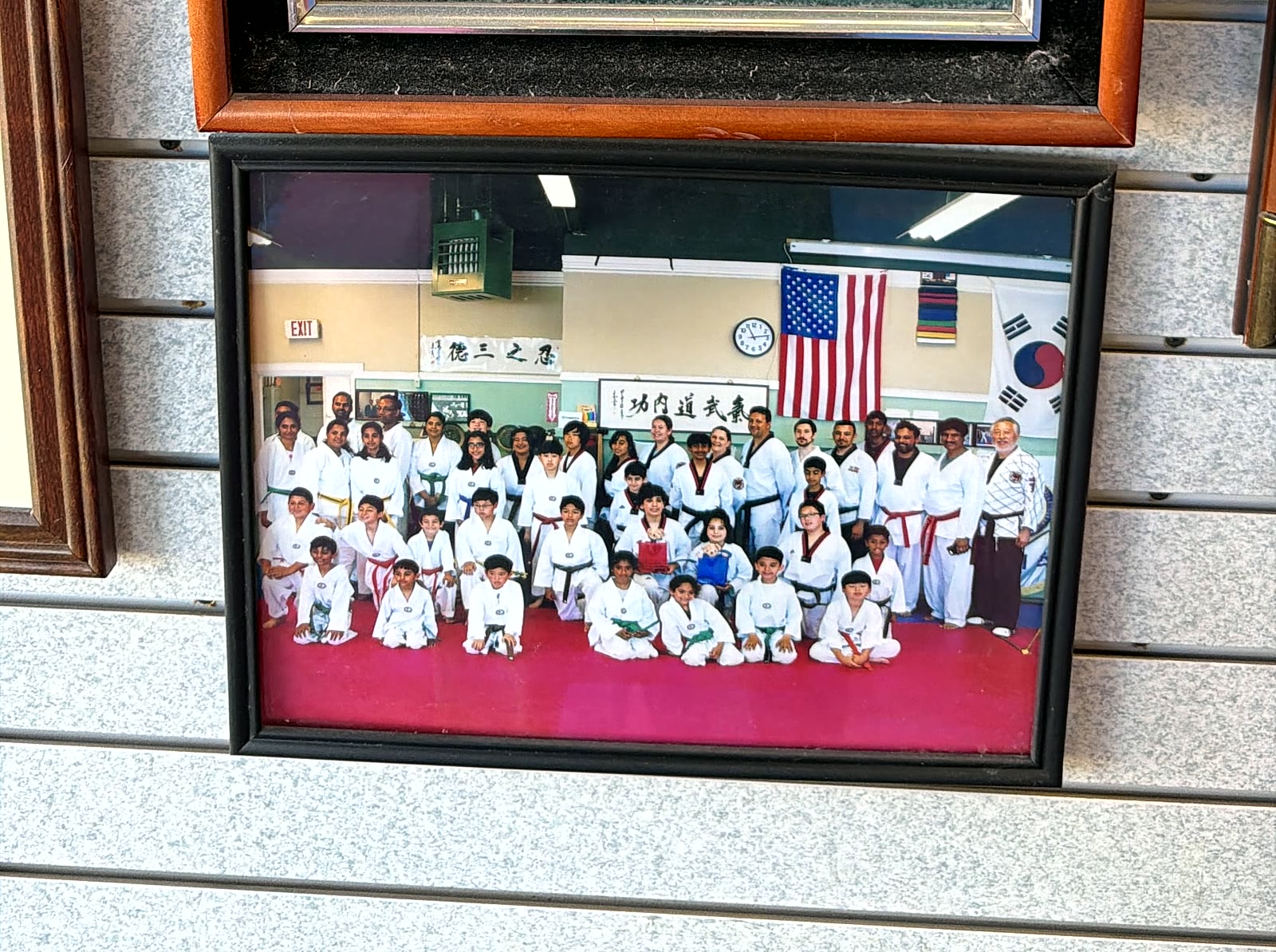
Coordination is not one isolated trick. It organises posture, footwork, hands, attention, and timing into a movement you can understand and repeat. If you are comparing martial arts coordination classes in Santa Clara, look beyond demonstrations. Ask how an academy teaches fundamentals and explains each exercise.
A good class can make coordination a clear goal. The right questions help you evaluate instruction, training culture, and the connection between your priorities and the discipline being offered.
Define what coordination means to you
Coordination can refer to several different skills. You may want to feel more comfortable changing direction, connect the upper and lower body, follow a sequence, or time a movement with a partner. You may also be interested in balance and control during a technique.
Write down the situations that matter to you. This turns a general search into a useful conversation. Instead of asking whether a class improves coordination, ask what kinds of movements are taught, how they are explained, and how a new student receives feedback.
Look for progressive movement practice
Good coordination work is easier to learn when an exercise has a clear progression. An instructor might first explain the stance, then the direction of movement, then the timing between parts. The exact sequence will vary by discipline and lesson, but students should be able to identify the purpose of a drill.
Progression does not mean making every exercise harder as quickly as possible. It means adding a new demand when the previous idea is sufficiently clear. A thoughtful instructor can adjust pace, simplify a movement, or return to a foundation without making the student feel that asking questions is a problem.
Pay attention to balance and transitions
People often notice the beginning and end of a technique while overlooking the transition between them. Coordination shows up in the change from one position to another. Can you keep an organised stance while stepping? Can you finish one action and prepare for the next without rushing?
When you observe or try a class, listen for cues about weight distribution, foot placement, posture, and direction. These details are more useful than a broad claim that training is “functional.” Ask which detail should receive your attention and how to tell whether movement is controlled.
Understand the role of rhythm and timing
A sequence may have a rhythm, but rhythm is not the same as speed. Timing can involve starting at the right moment, coordinating a change of direction, or responding to a partner’s controlled movement. Slow repetitions can make this easier to observe before a drill becomes faster or more complex.
Ask an instructor how timing is introduced. Is the exercise first practised individually? When do partners work together? What signals tell participants to begin, pause, or reset? Clear answers show that timing is being taught as a learnable process rather than left to guesswork.
Consider the discipline that fits your interests
KIMOO Martial Arts offers Hapkido, Taekwondo, self-defence, and competition training in Santa Clara, California. Each path can raise different questions about movement, technique, and practice. If you are curious about Hapkido, ask how its foundational movements are introduced. If Taekwondo interests you, ask how footwork, posture, and technique are taught. For self-defence or competition training, ask how coordination connects with the stated training purpose.
The goal is not to decide from a label alone. A direct conversation can clarify what you would actually practise and whether that approach suits the way you want to learn.
Evaluate the teaching environment
Coordination improves through attention and feedback. Look for instruction that is specific, respectful, and easy to follow. When a student makes an error, does the instructor identify one useful correction? Are demonstrations and explanations connected? Can students pause and ask for clarification?
Partner practice also deserves careful attention. Participants should understand the exercise, communicate clearly, and have a straightforward way to stop and reset. A responsible training culture treats control and mutual respect as part of technical quality, not as extras.
Ask about the academy’s background
Instructor experience can provide context when you compare academies. Grand Master Jong Yeon Hwang trained at the Korea Hapkido Headquarters Dojang from 1971 and holds 8th Dan Hapkido. He won Gold at the 10th Wushu World Cup in Milan in 2005. He received the President’s Volunteer Service Award, a White House honor, in 2023. KIMOO received Santa Clara District 2 Business of the Year in 2019.
These verified facts are part of KIMOO’s background. They should support, not replace, your own evaluation of the instruction. Ask how the academy’s disciplines and approach connect with your coordination goals, then decide from clear information rather than from a single impressive claim.
Use a free trial as a research opportunity
A trial class can show how movements are explained and questions handled. Arrive with two questions and one movement goal. Afterwards, note what was clear and whether the class matched your priorities.
You do not need to master a sequence in one visit. A useful introduction gives you enough context to make an informed next decision.
Frequently asked questions
What should I look for in martial arts coordination classes?
Look for clear progressions, specific feedback, attention to balance and transitions, and controlled practice. Ask how the instructor defines the purpose of each coordination drill.
Is coordination the same as balance?
No. Balance is one part of organised movement. Coordination can also involve timing, footwork, posture, hand position, and the ability to connect several actions with control.
Can beginners ask for simpler coordination drills?
Yes. Ask an instructor how a movement can be broken into manageable parts. A clear progression can help you understand the foundation before adding complexity or speed.
How does partner training develop timing?
Partner drills can introduce timing through agreed signals, controlled movement, and changes of pace or direction. The exercise should remain clear, communicative, and easy to pause.
Which KIMOO discipline should I choose for coordination?
Start by describing your goals and asking how Hapkido, Taekwondo, self-defence, and competition training are taught. An introductory conversation can help you compare your interests with each path.
What questions should I bring to a free trial class?
Ask what the lesson is designed to teach, which detail you should focus on, how feedback is given, and how to practise safely with a partner. These questions help you evaluate the learning process. Explore purposeful movement and coordination at KIMOO Martial Arts in Santa Clara. Book a free trial class, or call (408) 243-1001.
Train with a champion
Book your free trial class at KIMOO Martial Arts in Santa Clara and train under a World Cup gold medalist.
Keep reading