Choosing a Dojo
Martial Arts Classes for Remote Workers in Santa Clara: What to Ask
If you work remotely and are comparing martial arts classes in Santa Clara, start with the training you want to explore, then find out whether the practical details fit your life. Remote work describes where or how some people do their jobs, but it does not determine a person's schedule, fitness level, or martial arts goals. A useful search should help you compare real options without assuming what your week looks like.
Clarify what you want from training
Before contacting an academy, identify one or two reasons you are interested. You may want to learn a martial art, explore self-defence, or ask about competition training. You might be curious about Hapkido or Taekwondo, or simply want to learn what each involves. You do not need to settle on a single path before speaking with an instructor.
Writing down your goals can help you ask focused questions. For example, note whether you are brand new to training, returning after a break, or comparing particular disciplines. If you have questions about partner work, contact, or what beginners should expect, mention them directly. Clear expectations matter more than choosing a class based on a label alone.
Compare the available disciplines
Martial arts names represent different training approaches. Ask the academy to explain its Hapkido and Taekwondo options in practical terms, and how self-defence or competition training is handled. The explanation should help you understand which option fits the interest you described, without assuming that one discipline is right for every person.
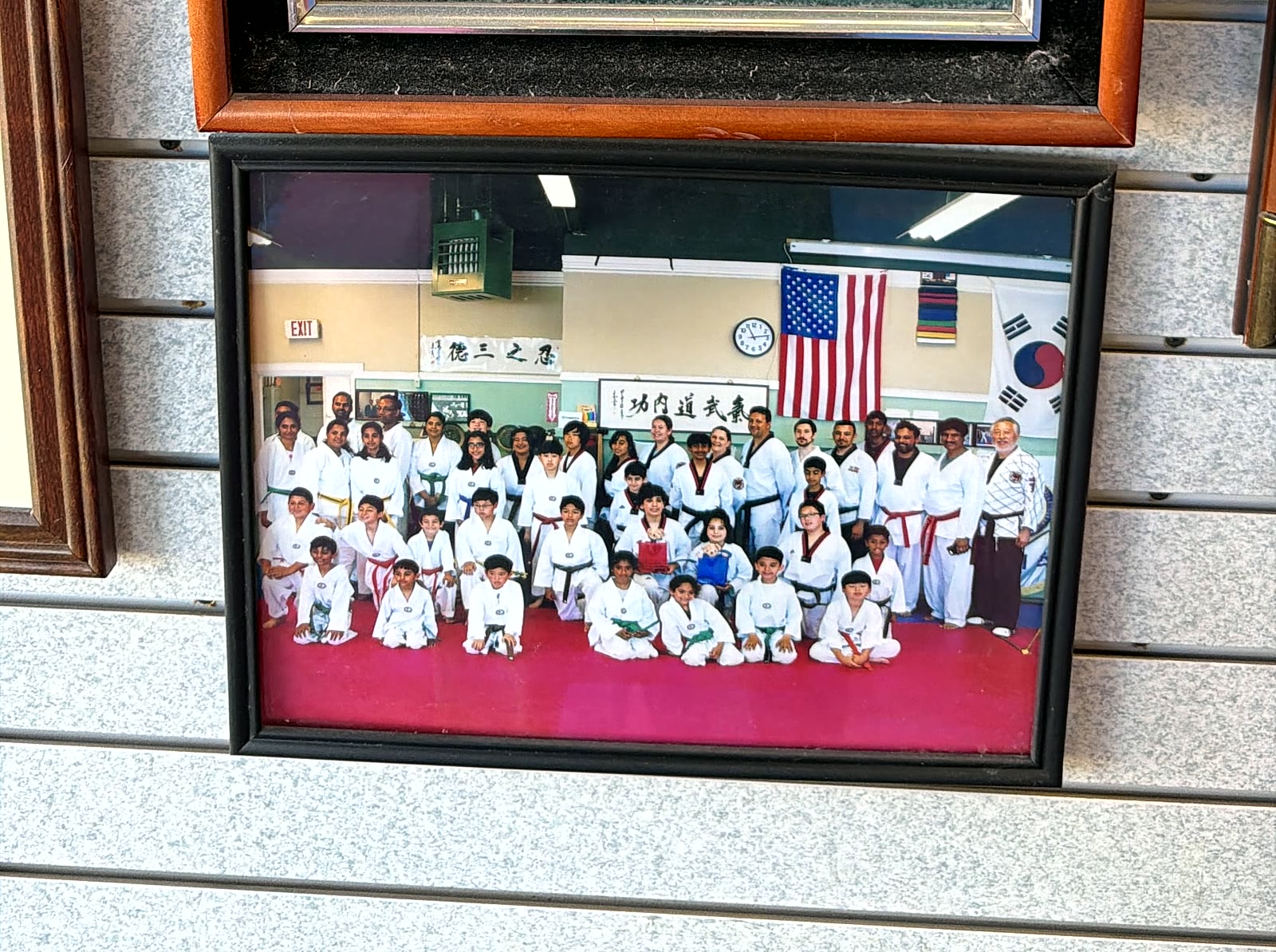
KIMOO Martial Arts is located in Santa Clara, California, and offers Hapkido, Taekwondo, self-defence, and competition training. Those are the verified program options. Contact the academy directly for current class formats and details rather than relying on generic descriptions or assuming there is a particular class for remote workers.
Check how the schedule fits your actual week
Remote workers can have very different calendars. Some have fixed working hours; others have meetings or projects that shift. Before deciding, ask how to confirm the current class schedule and whether the times you are considering are still available. Do not assume that remote work means you can attend during the day, or that a school offers flexible make-up sessions.
Think through the routine around a visit. Consider how long it takes to travel from your home or workspace, what time you can reliably leave, and whether you want to train before or after work. These are planning questions for you, not promises about an academy's schedule. If a session time matters to your decision, confirm it directly.
Ask about the class experience
A program page may name a discipline without explaining exactly what happens in a class. Ask what a new student should expect, whether there is an opportunity to observe or try a class, and whether any clothing or equipment is needed for that first visit. If you have preferences about contact, partner exercises, or training intensity, say so and ask how the session is structured.
If you are working from home, it can be useful to think about what would make an out-of-home training appointment manageable. Perhaps you want to prepare clothes in advance, block a specific time in your calendar, or choose a class close to another regular commitment. The right routine is personal. Avoid treating a general remote-work tip as a guarantee that any particular academy will fit your schedule.
Use a trial visit to compare options
A trial visit can help you turn online research into a concrete decision. Before going, confirm the time, ask what to bring, and make sure you understand whether the visit is for observation, participation, or both. During the visit, consider whether the instruction is understandable, whether your questions are answered, and whether the training focus matches the goals you described.
Afterward, compare what you learned with your original priorities. If you are still unsure about a discipline, ask a follow-up question rather than making a decision based on an assumption. A thoughtful process can help you choose a practice that feels relevant and practical for you, whether you work remotely every day or only part of the time.
Frequently asked questions
Are there martial arts classes specifically for remote workers in Santa Clara?
KIMOO's verified information lists Hapkido, Taekwondo, self-defence, and competition training, but does not identify a remote-worker-specific program. Contact the academy about its current options and schedule.
Which martial art should a remote worker choose?
Your work arrangement does not determine which discipline is right. Ask about Hapkido, Taekwondo, self-defence, and competition training, then compare each option with your own goals and interests.
Can I attend classes during the workday?
Confirm current class times directly with the academy. Do not assume daytime availability or any particular attendance policy.
What should I ask before a trial visit?
Ask what to expect, what clothing or equipment to bring, whether observation or participation is possible, and how to confirm the current schedule.
Do I need martial arts experience to ask about a class?
No. You can contact the academy with questions whether you are a beginner or have trained before. Describe your experience and ask what the available options involve. To explore training options, book a free trial class at KIMOO Martial Arts in Santa Clara or call (408) 243-1001.
Train with a champion
Book your free trial class at KIMOO Martial Arts in Santa Clara and train under a World Cup gold medalist.
Keep reading