Choosing a Dojo
Martial Arts Classes for Student Athletes in Santa Clara: What to Ask
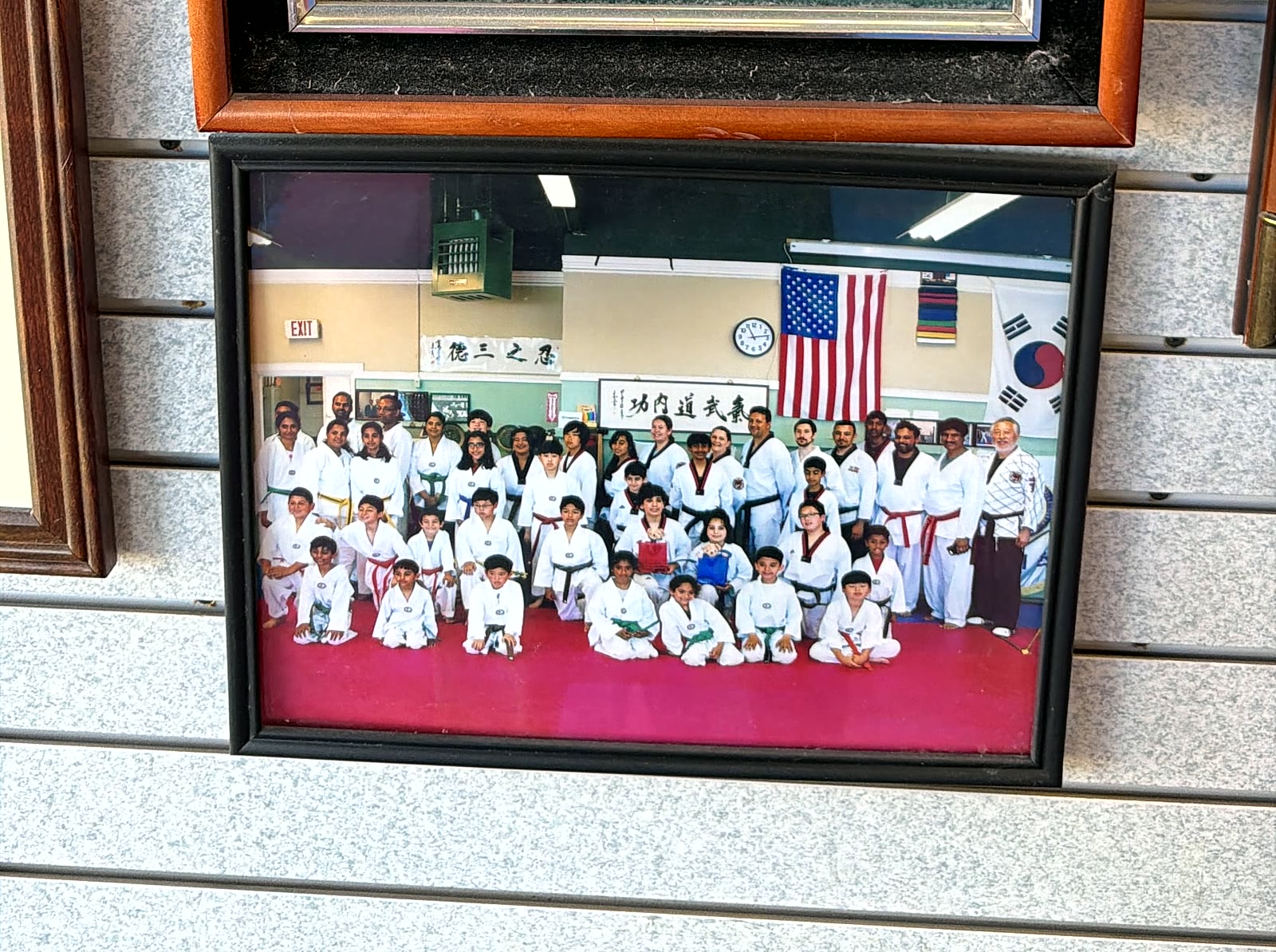
Student athletes exploring martial arts classes in Santa Clara may have questions that differ from those of someone choosing a single new activity. They may want to learn another discipline, consider competition training, or simply understand how a martial arts class would fit alongside a sport they already practice. A thoughtful comparison starts with the athlete's goals and the actual program details, not assumptions about improved performance or a guaranteed result.
Define what the athlete wants to explore
Start by naming the reason for considering martial arts. Is the interest in learning Hapkido or Taekwondo, exploring self-defence, or asking about competition training? Or is the athlete simply curious about a different kind of practice? These are different goals, and a clear question makes it easier to have a useful conversation with an academy.
The athlete's current sport also matters as context, but it should not dictate the choice. A person who plays a team sport may be curious about a more individual practice, while someone in an individual sport may want to explore a different setting. Avoid assuming that martial arts will improve speed, strength, focus, or results in another sport. Ask what the class involves and decide based on the information available.
Compare the discipline and class focus
KIMOO Martial Arts is located in Santa Clara, California, and offers Hapkido, Taekwondo, self-defence, and competition training. Contact the academy to ask what the current class options involve and which one best matches the athlete's stated interest. Do not assume that every discipline has the same class structure or competition pathway.
A helpful conversation can cover the basics: what a first session includes, what a participant is asked to practise, whether partner work is part of the class, and how a student can learn more about a discipline before choosing. If competition training is the priority, ask what the term means in the specific program. The academy can provide current details; an athlete should not infer a competition format from the name of a martial art alone.
Check the real schedule and total commitment
Student athletes may already have practices, events, schoolwork, travel, or other commitments. Do not assume that another activity will fit automatically. Ask for current class times and consider how they align with the existing calendar. Then assess the full commitment for the athlete and family, including travel time and recovery between activities.
Be direct about the current sports schedule when asking an academy for guidance. A coach familiar with the athlete's existing commitments can also help the family think through the total training load. For a health concern, injury, or return-to-sport question, consult an appropriate health professional rather than expecting a martial arts class to provide medical guidance. These conversations can help prevent a rushed decision without making promises about participation or outcomes.
Ask about a first visit
Before attending, ask what to wear or bring, when to arrive, and whether a prospective student can observe or participate during a visit. Confirm these details with the academy because policies and arrangements may vary. If the athlete is new to martial arts, they can share that in advance and ask how an introductory session works.
It may also help to prepare questions in advance. The athlete could ask how instruction is explained, what they should focus on, and how to communicate if they need clarification. A first visit is an opportunity to understand the class and decide whether the discipline fits their interest. It is not a promise of specific athletic benefits or future competition opportunities.
Make a balanced decision
After gathering information, compare the martial arts option against the athlete's priorities and existing schedule. Is the student genuinely interested? Are the current program details clear? Can the family manage the time commitment? Does the student understand what the first visit involves? If the answer to an important question is unclear, ask before deciding.
It can be useful to discuss the choice with the athlete, family, and relevant sports coach. They can consider whether adding another regular activity makes sense at this time. The goal is not to do more simply for the sake of it. It is to choose training that the student can approach thoughtfully and that matches their interests.
Frequently asked questions
Does KIMOO offer martial arts classes for student athletes?
KIMOO's verified offerings are Hapkido, Taekwondo, self-defence, and competition training. Contact the Santa Clara academy for current details and to ask which option may suit the athlete's interests.
Can martial arts improve performance in another sport?
No specific performance outcome is guaranteed here. Ask about the content of a martial arts class and evaluate it as a separate learning experience rather than assuming it will change results in another sport.
How can a student athlete fit martial arts around an existing schedule?
Request current class times and compare them with the athlete's full commitments. Discuss training load with the relevant coaches, and consult a health professional for medical or injury-related questions.
What should an athlete ask before a first class?
Ask what the visit includes, what to wear or bring, whether observation or participation is possible, and whom to contact with questions.
Is competition training the same as a regular martial arts class?
The format and purpose can differ by program. Ask the academy to explain what its current competition training involves rather than assuming a format. To explore martial arts training, book a free trial class at KIMOO Martial Arts in Santa Clara or call (408) 243-1001.
Train with a champion
Book your free trial class at KIMOO Martial Arts in Santa Clara and train under a World Cup gold medalist.
Keep reading