Styles Explained
Hapkido vs Aikido: Key Differences and How to Compare Training
The phrase “Hapkido vs Aikido” can make two different martial arts sound like a simple either-or choice. A more useful comparison starts with the actual curriculum, teaching approach, and goals of a particular school. Both names refer to established arts, but the similarities in their names are not enough to tell you what a class teaches or whether it suits what you want to learn.
Start with the source, not the slogan
A school's own description can explain how it understands its art. The Aikikai Foundation describes its role as supporting the continuation of Aikido, which it says was created by Ueshiba Morihei, and refers to training mind and body. This is an organizational account of Aikido, not a complete description of every school or lineage.
Hapkido history also requires care. The International Korean Martial Arts Federation's history page notes that a single common and consistent version of Hapkido history does not exist. That is a useful reminder to be cautious with simplified claims that one art is merely another art under a different name. Historical narratives and curricula may be described differently by different organizations.
Compare the classes you can actually attend
Style names can help you begin research, but they do not substitute for a school's syllabus. Ask what a beginner studies, how skills are introduced, and what kinds of practice a typical class includes. If you are comparing two schools, ask the same questions at each one and write down what was confirmed.
You can also ask how an instructor describes the purpose of the program. Does the class focus on learning a traditional art, practicing self-defence, competition preparation, or another goal? Avoid assuming that the title of a style guarantees a particular class format. A clear explanation should connect the program name with the actual instruction available at that school.
Look beyond broad technique claims
Online descriptions sometimes assign a short list of signature techniques to each style. These summaries can be oversimplified. Terms, emphasis, and teaching plans can vary among schools, so it is better to ask an instructor what students practise than to treat a comparison chart as a universal rule.
For a fair comparison, ask how practice is introduced, how partners work together, and what safety expectations apply. You can ask how a student gets clarification and whether the school offers a chance to observe or try a class. These questions help you understand the learning experience without presuming that every Hapkido or Aikido school follows one standardized method.
Decide what matters to you
Write down what you want from training before choosing. You may be interested in the history of an art, the class structure, self-defence, or competition. Rank those priorities and ask whether the school can explain its current offering in relation to them. If two programs appeal to you for different reasons, it can be helpful to compare them on their own terms rather than asking which is universally better.
Also consider practical fit. Confirm the class format and any participation requirements directly with each school. If a first visit is available, ask what it includes and whether you should observe or participate. A short conversation can clear up assumptions before you make a decision.
What the comparison means at KIMOO
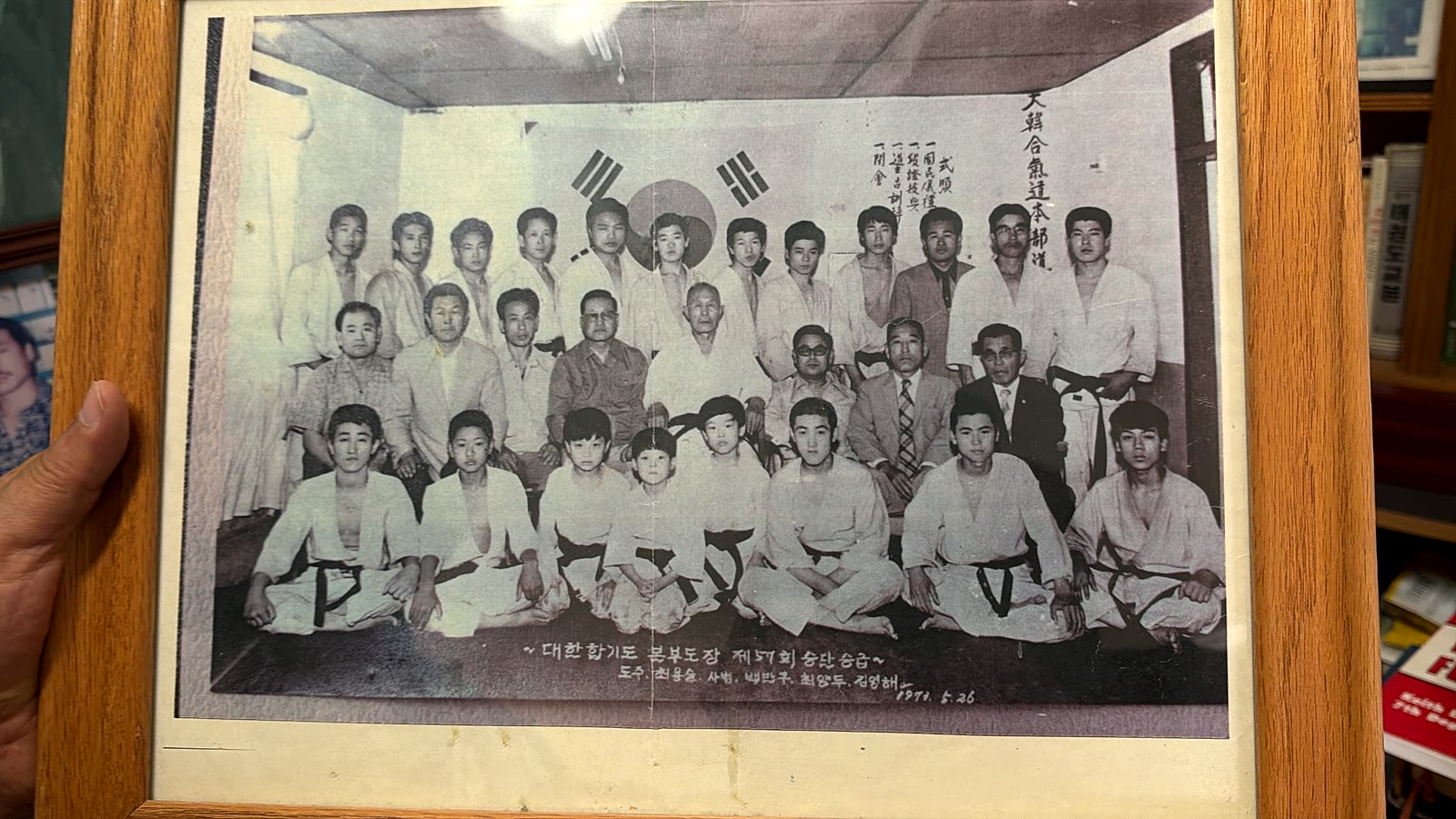
KIMOO Martial Arts is located in Santa Clara, California, and offers Hapkido, Taekwondo, self-defence, and competition training. Grand Master Jong Yeon Hwang trained at the Korea Hapkido Headquarters Dojang from 1971 and holds 8th Dan Hapkido. If you are exploring Hapkido, you can ask the academy about its current program and how its classes are taught. Contact the school directly for details rather than assuming its curriculum based on a general comparison of styles.
Frequently asked questions
Are Hapkido and Aikido the same martial art?
They are distinct arts, even though their names may sound similar. A school's specific curriculum is the best source for understanding what its classes teach.
Is one universally better for self-defence?
There is no universal answer. Ask each school how it explains its program, what students practise, and how the instruction relates to your own goals.
Do all Hapkido schools teach the same material?
You should not assume that every school follows an identical curriculum. Ask the instructor to describe the program and any relevant lineage or syllabus information.
What does the Aikikai Foundation say about Aikido?
The Aikikai Foundation describes itself as supporting the continuation of Aikido created by Ueshiba Morihei. Its description is one organizational perspective, not a full account of every Aikido school.
Does KIMOO offer Aikido classes?
The disciplines listed by KIMOO Martial Arts are Hapkido, Taekwondo, self-defence, and competition training. Contact the academy for details about its current programs. If Hapkido is among the styles you are considering, book a free trial class at KIMOO Martial Arts in Santa Clara or call (408) 243-1001 to ask about its current program.
Train with a champion
Book your free trial class at KIMOO Martial Arts in Santa Clara and train under a World Cup gold medalist.
Keep reading