Training Tips
Martial Arts Training Load Management: Train with Purpose
Martial arts training load management means organising practice so that effort supports learning instead of overwhelming it. A training load is more than a hard workout. It includes technical concentration, partner drills, conditioning, strength work, competition preparation, and the recovery that allows you to return ready to learn.
You do not need a complicated spreadsheet to begin. Pay attention to the purpose of each session, the quality of your practice, and how you feel when the next lesson starts. These simple observations can help you train with more intention.
Separate technical and physical demands
A martial arts class may ask you to learn a new movement, repeat a familiar skill, work with a partner, or prepare for competition. Each demand uses attention and physical effort in a different way. A session that feels moderate physically may still be demanding if the technique is unfamiliar.
Before training, identify the main purpose. Is the priority learning, refining, applying, or conditioning? This question helps you avoid treating every class as a test of maximum intensity. A useful plan gives technical learning the attention it deserves.
Use an effort scale you understand
A simple effort description can improve your awareness. After a session, label it easy, moderate, hard, or very hard, then add a sentence about why. Perhaps the lesson required sustained concentration, repeated partner work, or a demanding conditioning block.
The label is not a medical measurement or a guarantee of progress. It is a communication tool. It helps you notice patterns and gives you better information to share with an instructor when planning your next session.
Increase demands gradually
When practice feels comfortable, it can be tempting to add more rounds, more resistance, or more intensity immediately. A more thoughtful approach changes one factor at a time and observes the result. You might increase the complexity of a drill while keeping the pace controlled, or maintain technical difficulty while reducing extra conditioning.
Gradual change protects the quality of feedback you receive from your own training. If several variables change at once, it becomes difficult to know what helped or what created unnecessary fatigue. Keep the next step clear enough to evaluate.
Protect the quality of technique
Fatigue can make it harder to listen, maintain posture, control a partner drill, or recognise a mistake. That does not mean every tired session is unhelpful. It means the goal of the exercise should remain visible. If the purpose is technical learning, reduce the challenge when control begins to disappear.
A controlled repetition gives you information. A rushed repetition may only show that you were tired. Ask whether the movement remained organised and whether you could respond to feedback. These are useful signs when deciding how to manage the next session.
Plan recovery as part of training
Recovery is not an interruption to training. It is part of the process that makes future practice possible. Give yourself time to rest, use comfortable mobility work when appropriate, and pay attention to persistent pain or unusual fatigue. If something feels wrong, stop and seek appropriate professional guidance rather than training through it.
Sleep, nutrition, hydration, and daily demands also affect readiness, but do not turn general advice into a rigid formula. Your needs change with your schedule and training objective. A conversation with a qualified instructor can help you place demanding work more sensibly.
Keep conditioning in its proper role
Conditioning can support the ability to practise, but it should not replace skill development. Choose exercises that connect to a stated purpose, such as maintaining posture, moving with control, or preparing for a particular training demand. Keep the exercise level appropriate to your experience.
Avoid adding conditioning simply because exhaustion feels impressive. A session can be valuable when it leaves you able to think clearly and practise carefully. The question is not whether you did the most work. The question is whether the work served your martial arts goal.
Coordinate competition preparation
KIMOO Martial Arts offers Hapkido, Taekwondo, self-defence, and competition training in Santa Clara, California. Competition preparation may require closer coordination between technical lessons, practice intensity, and recovery. Speak with your instructor before adding extra work so it supports the training objective rather than creating unnecessary overlap.
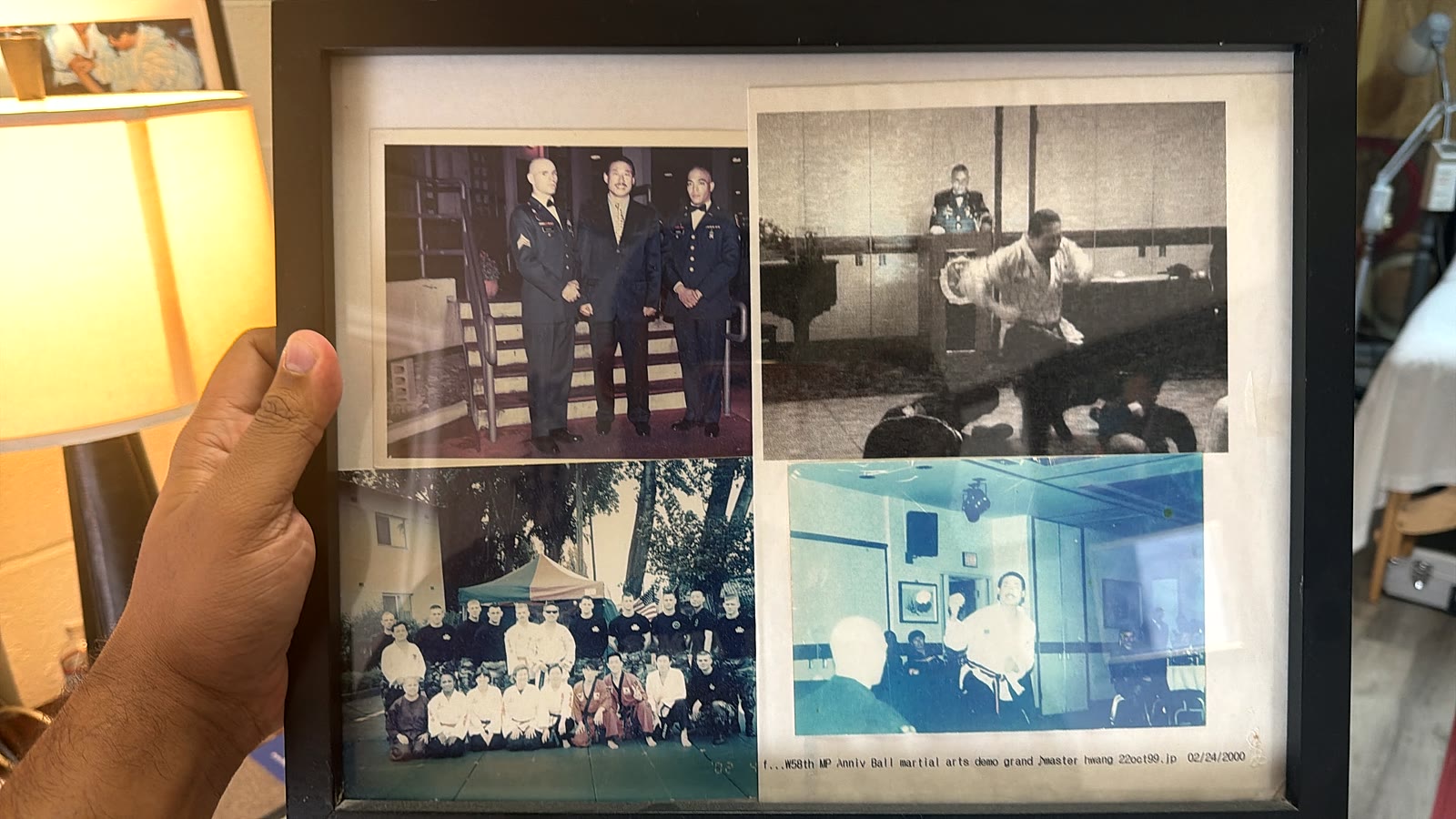
Grand Master Jong Yeon Hwang trained at the Korea Hapkido Headquarters Dojang from 1971 and holds 8th Dan Hapkido. He won Gold at the 10th Wushu World Cup in Milan in 2005. He received the President’s Volunteer Service Award, a White House honor, in 2023. KIMOO received Santa Clara District 2 Business of the Year in 2019.
That background offers context for experienced instruction. Your individual plan should still be based on your goals, current practice, and the feedback you receive in class.
Review your week, not just one session
At the end of a training week, review the pattern. Which sessions were mainly technical? Which included conditioning or competition work? When did your technique feel sharp, and when did you struggle to stay attentive? Did you give yourself enough time to return ready to learn?
Do not judge the week only by intensity. Consistency, control, and useful feedback are also important. If the pattern feels unsustainable, share your observations with your instructor and adjust one element at a time.
Frequently asked questions
What does martial arts training load management include?
It includes technical practice, partner drills, conditioning, strength work, competition preparation, and recovery. It also includes the attention each session requires.
How do I know if a session was too demanding?
Notice whether you could maintain control, listen to feedback, and return ready to practise. A continuing drop in technique or unusual fatigue is a reason to reduce the challenge and ask for guidance.
Should every martial arts session be intense?
No. Different sessions can focus on learning, refinement, application, or conditioning. Varying the demand can protect attention and make the purpose of each lesson clearer.
How quickly should I increase training demands?
Change gradually and adjust one factor at a time when possible. Observe technique quality and recovery before adding another challenge.
How does recovery support technical practice?
Recovery gives you a better chance to return with attention and control. Rest, sensible mobility, and appropriate professional advice when needed all belong in a sustainable plan.
Should I add conditioning for competition training?
Discuss it with your instructor first. Extra work should match the competition objective and fit alongside technical practice and recovery. Train with clarity at KIMOO Martial Arts in Santa Clara. Book a free trial class, or call (408) 243-1001.
Train with a champion
Book your free trial class at KIMOO Martial Arts in Santa Clara and train under a World Cup gold medalist.
Keep reading