Kids & Family
Sibling Martial Arts Classes in Santa Clara: What Families Should Ask
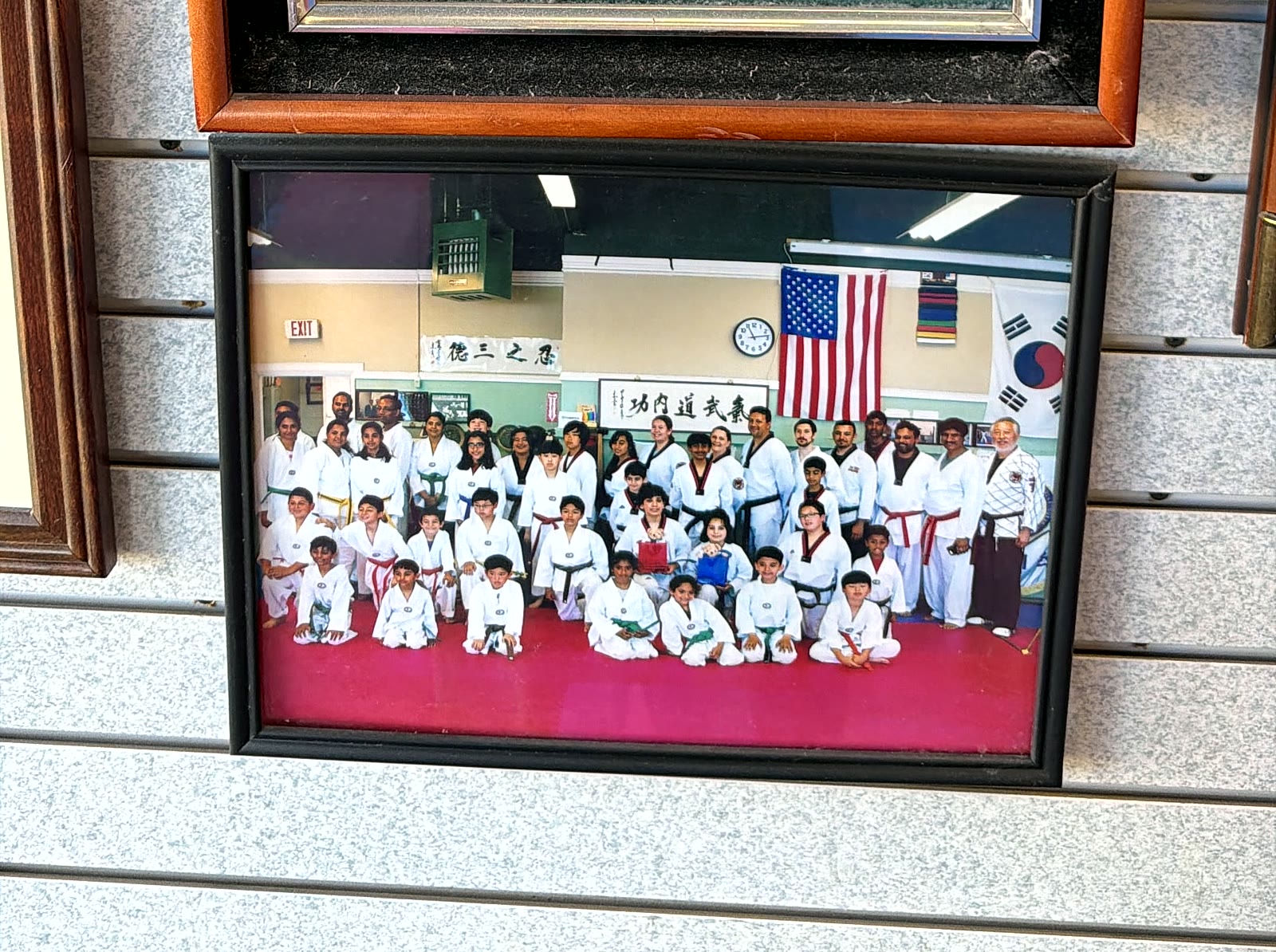
Sibling martial arts classes in Santa Clara can give a family a shared activity, but siblings do not have to learn in exactly the same way. One child may be eager to compete while another prefers self-defence or steady fundamentals. A thoughtful choice begins by respecting both interests and asking the academy how its current programs can accommodate different goals.
Begin with two conversations
First, speak with each child separately. Ask what sounds interesting, what they hope to learn, and what might make a first visit comfortable. Then discuss the family goal together. You may be looking for a regular activity, a new skill, or a way for siblings to spend purposeful time together. The children may not want the same outcome, and that is useful information rather than a problem.
Avoid promising that martial arts will automatically improve behavior, confidence, or sibling relationships. A class can provide structured practice and shared learning, but individual outcomes differ. The best starting point is an honest conversation about participation, respect, and how each child wants to approach training.
Questions about a shared class
Ask whether siblings with different experience levels can participate in the same current offering. Confirm the class structure, age grouping, and enrollment details directly with the academy rather than assuming that children in one family belong in one class. Ask how an instructor explains a new movement and how students can ask for help.
If one sibling has previous experience and another is new, ask how instruction addresses that difference. The answer should help you understand whether each child can work at an appropriate level without turning one sibling into the other's coach. If the children have different interests, ask whether Hapkido, Taekwondo, self-defence, or competition training is the better conversation to begin with.
Keep progress individual
Siblings can encourage each other, but comparison can quickly undermine motivation. Talk about personal practice habits, listening, effort, and safe participation instead of deciding that one child should advance at the same pace as the other. A belt, competition result, or technical skill is not a family ranking system.
Parents can support this by using separate, realistic goals. One child might focus on learning a new fundamental movement. Another might want to become more comfortable with partner practice. These are different goals, and both can be meaningful. Ask the academy how it describes progress so the family can use language that supports learning rather than competition between siblings.
Plan a useful first visit
A first visit should answer practical questions. Before going, confirm what clothing or preparation is appropriate and whether the academy requires any information from the family. At the visit, notice whether the children understand the instructor's explanations and whether they can communicate when they need help.
Afterward, ask each child what felt clear, what felt challenging, and what they would like to try again. Do not let the more enthusiastic sibling answer for the other. If something was uncomfortable or unclear, ask the academy for clarification before making a decision. A free trial can be useful when it is treated as an information-gathering visit rather than a performance test.
A local option to investigate
KIMOO Martial Arts is located in Santa Clara, California, and offers Hapkido, Taekwondo, self-defence, and competition training. Families considering sibling participation can ask which current program is relevant to each child's goals and how the first visit works. This article does not assume class schedules, age divisions, pricing, or a particular family enrollment policy. Confirm those details directly.
Grand Master Jong Yeon Hwang trained at the Korea Hapkido Headquarters Dojang from 1971 and holds 8th Dan Hapkido. Those are verified background facts about the academy's leadership. They do not guarantee a particular result for either sibling, so families should still ask about the actual learning experience they are considering.
Prepare for different answers
It is acceptable if one child wants to continue and the other needs more time. Ask whether the academy can explain options without pressure. Families should also share relevant participation concerns and seek individual professional guidance for health or developmental questions. A general martial arts class is not medical or behavioral treatment.
The strongest family decision balances convenience with fit. Shared transportation and a common activity matter, but so do each child's goals, comfort, and willingness to participate. Use the first visit to learn whether the program offers a respectful setting for both learners.
Frequently asked questions
Can siblings train in the same martial arts class?
They may be able to, but it depends on the academy's current structure, age groups, and experience levels. Ask KIMOO which offering fits each child's goals and confirm current details directly.
What if siblings have different interests?
Discuss each interest separately. One child may prefer Hapkido or self-defence while another is interested in Taekwondo or competition training. Ask the academy how it describes the relevant options.
Should siblings progress at the same pace?
No. Progress is individual. Compare effort, listening, and personal goals rather than treating one sibling's belt or skill as a standard for the other.
What should parents observe on a first visit?
Notice whether instructions are clear, whether each child can ask questions, and whether the children understand what the class involves. Ask about anything that remains unclear afterward.
Do sibling programs automatically improve family relationships?
No result should be guaranteed. A shared activity may create opportunities to encourage each other, but family outcomes depend on many factors and differ between children. To ask about current sibling-friendly programs or book a free trial class at KIMOO Martial Arts in Santa Clara, call (408) 243-1001.
Train with a champion
Book your free trial class at KIMOO Martial Arts in Santa Clara and train under a World Cup gold medalist.
Keep reading