Martial Arts Practice at Home: A Focused Guide to Solo Training
October 4, 20266 min readKIMOO Martial Arts
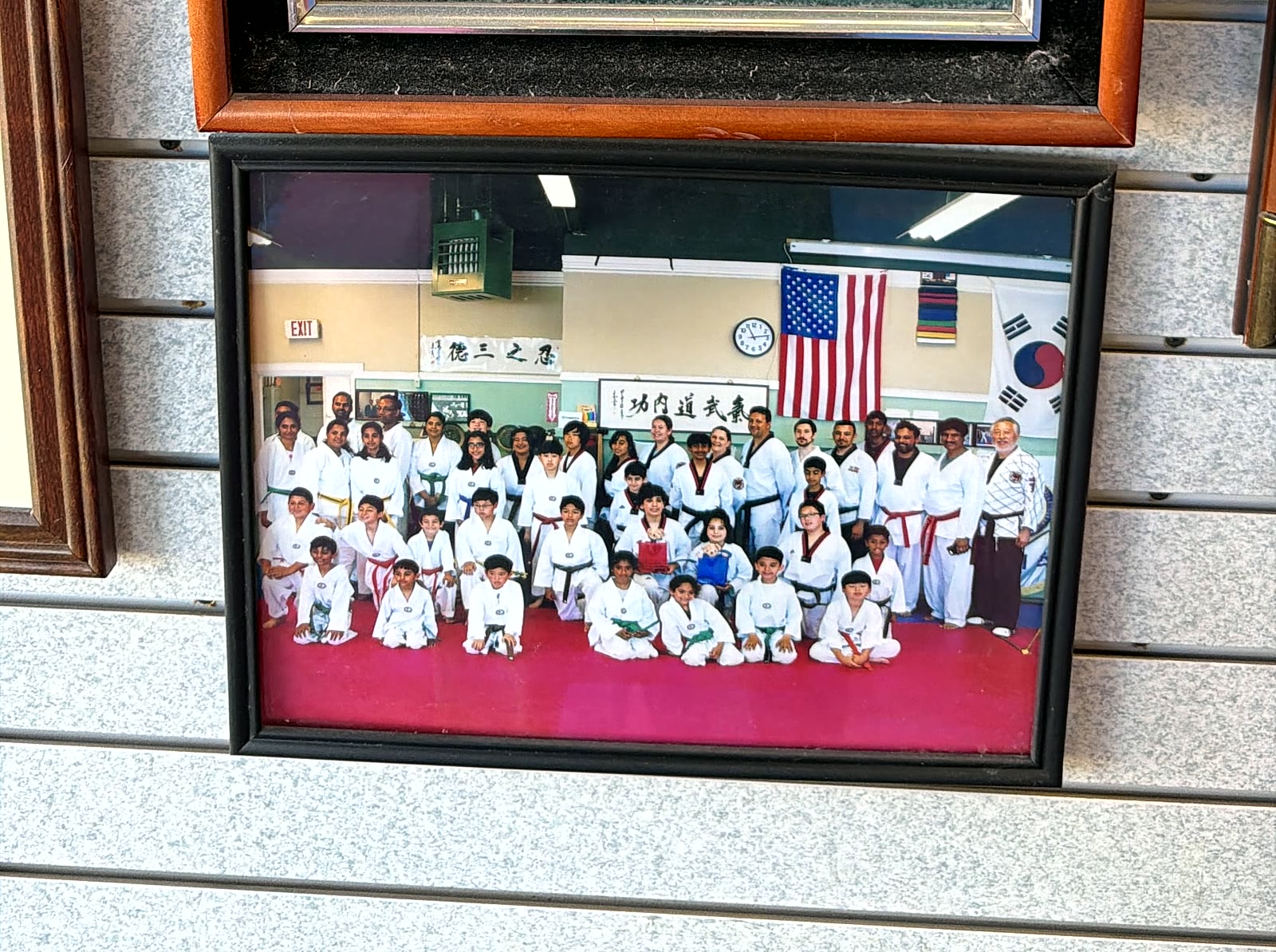
Martial arts students standing together in class

A little time between classes can be a chance to revisit what you have already learned. Effective martial arts practice at home does not require a complicated routine or a long list of new moves. Begin with one clear goal, keep your practice within material you understand, and record what you want to ask an instructor next time.

Start with a learning goal

Before you begin, decide what you are trying to review. It could be one movement your instructor has already explained, a sequence you are learning, or a class note you want to remember. A narrow goal helps keep practice deliberate. Trying to work on everything at once can make it harder to notice what you are actually rehearsing.

If you are unsure whether a movement is appropriate to practise alone, make a note and ask your instructor first. Do not use home practice to teach yourself an unfamiliar technique from a brief online clip. Videos can provide context, but they cannot assess what you are doing or answer a question about your personal class instruction.

Set up a clear practice space

Choose an area where you can move without bumping into furniture, other people, or objects. Check the floor and the space around you before starting. Avoid using household items as training equipment or setting up obstacles for a movement you have not been taught. If the space is crowded or unsuitable for the movement, choose a different review task or wait until you can ask your instructor.

Wear clothing that allows comfortable movement and follow any guidance your academy has given you. Keep the practice simple. You do not need to add speed, power, or complicated movements to make a review worthwhile. When the environment feels distracting, pause and adjust the space rather than trying to push through it.

Revisit familiar material with attention

Start with an element you recognize from class. Recall the instructor's main cues and move at a pace that lets you pay attention to them. If your class notes or a demonstration from your instructor are available, use them to remember what was taught. Avoid adding a correction or variation you found online unless your instructor has confirmed it applies to your practice.

You can review a sequence by naming its parts, then practising the familiar transitions you were taught. If the order becomes unclear, stop and mark the point that needs clarification instead of guessing. A useful review can be modest: the goal is to remember and examine known material, not to prove that you can perform something without feedback.

Keep solo work separate from partner techniques

Partner activities depend on another person's movement and the way an instructor has taught the exercise. Do not substitute a cushion, chair, or family member for a training partner or practise a throw, lock, restraint, or other partner technique on your own. Ask your instructor how to review partner material safely and wait for supervised practice for techniques that require another person.

This boundary also helps keep home practice within its purpose. Solo review can revisit an individual movement or class sequence you already know, but it cannot replace partner instruction or an instructor's feedback. When the question involves contact, timing with another person, or an unfamiliar response, bring it back to class.

Keep a short note for your next class

After practice, write down what you reviewed and what remained uncertain. A few useful prompts are: Which cue did I remember? Where did I lose the sequence? What should I ask my instructor to demonstrate again? This turns a vague memory into a practical question. It does not need to become a detailed log or a measurement of progress.

If a movement felt uncomfortable, confusing, or different from your instruction, stop practising it and ask the instructor for clarification before continuing. Do not assume that repetition alone will resolve a technical question. Clear feedback from your teacher is more helpful than guessing about what a movement should look or feel like.

Make consistency realistic

Home practice should fit your available space and the guidance you have received. Rather than copying a demanding routine from a video, choose a manageable review that you can focus on. If you miss a planned session, simply return to your chosen class material when it works for you. There is no need to invent a schedule or turn every practice into a test.

For students exploring Hapkido, Taekwondo, self-defence, or competition training at KIMOO Martial Arts in Santa Clara, ask an instructor what material is suitable to review between classes. The academy offers those areas of training, but its current program details and practice recommendations should be confirmed directly.

Frequently asked questions

What should I practise at home as a beginner?

Review only material your instructor has already taught and said is suitable to practise independently. If you are uncertain about a movement, note your question and ask before repeating it.

Can I learn new martial arts techniques from online videos?

A video may offer context, but it cannot observe your movement or provide personalized correction. Use your instructor's guidance for learning and practising new techniques.

Should I practise partner techniques alone?

No. Do not attempt throws, locks, restraints, or other partner techniques by yourself or with improvised objects. Ask your instructor how and when to review partner material under supervision.

How do I know whether I am practising correctly?

Use the cues your instructor gave you, and ask for clarification when something is unclear. Solo review does not replace feedback from a qualified instructor who can observe the movement.

What if I do not have room to practise?

Do not force a movement into a crowded or unsuitable space. Make a note of what you wanted to review and ask your instructor for an appropriate alternative. If you want guidance on what to review between classes, book a free trial class at KIMOO Martial Arts in Santa Clara or call (408) 243-1001.

Train with a champion

Book your free trial class at KIMOO Martial Arts in Santa Clara and train under a World Cup gold medalist.

Self-Defence or Competition Training in Santa Clara: How to Choose→World Taekwondo Grand Prix Paris 2026: Dates and Format→Martial Arts Classes for Introverts in Santa Clara: A First-Visit Guide→Martial Arts and Nonviolence: Training with Restraint→Changing Martial Arts Schools in Santa Clara: Questions to Ask→Martial Arts Flexibility Training: Build Range with Control→Accessible Martial Arts Classes in Santa Clara: What to Ask→Martial Arts Membership in Santa Clara: Questions Before You Join→Martial Arts and Bullying Prevention: A Responsible Guide for Families→Martial Arts Gear in Santa Clara: What to Ask Before You Buy→Hydration for Martial Arts Training: A Practical Guide→De-escalation and Self-Defence Training in Santa Clara: What to Ask→Martial Arts Training Journal: A Simple Post-Class Guide→Poomsae vs Kyorugi: Two Taekwondo Competition Formats→Martial Arts Class Size in Santa Clara: What to Ask→Virtual Taekwondo at Asian Games 2026: How It Works→Hapkido Instructor in Santa Clara: What Credentials Can Tell You→Martial Arts Training Plateau: How to Find a Productive Next Step→Hapkido Self-Defence in Santa Clara: Questions to Ask Before You Choose→Taekwondo at LA 2028: Events, Classes, and What to Know→Adult Taekwondo Classes in Santa Clara: How to Choose→Martial Arts and Cognitive Engagement: What Recent Research Says→Martial Arts Classes for Caregivers in Santa Clara: What to Consider→Open-Skill Martial Arts Training: Why Adaptability Matters→Martial Arts Classes for Teachers in Santa Clara: A Thoughtful Guide→Representative Martial Arts Training: A Practical Guide→Martial Arts Classes for Shift Workers in Santa Clara: What to Ask→Travel Safety Martial Arts Classes in Santa Clara: What to Ask→External Focus in Martial Arts Training: A Practical Guide→Kids Martial Arts Classes in Santa Clara: A Parent's Guide→Guided Discovery in Martial Arts Training: A Practical Guide→Martial Arts Resilience Training: Build a Steadier Practice→Martial Arts for Personal Safety in Santa Clara: What to Ask→Deliberate Practice in Martial Arts: A Smarter Way to Train→Adult Hapkido Training in Santa Clara: What to Ask→Private Martial Arts Lessons in Santa Clara: Questions to Ask→Ecological Dynamics in Martial Arts Training: A Practical Guide→Martial Arts Interoception: Learn to Notice Your Body→Martial Arts Classes for New Residents in Santa Clara→Martial Arts Social Connection: How Shared Practice Works→Martial Arts Classes for Seniors in Santa Clara: What to Ask→Martial Arts Classes for Parents in Santa Clara: A Practical Guide→Martial Arts Breakfall Training: Why Safe Falling Matters→Martial Arts Classes for Adults Returning to Exercise in Santa Clara→Embodied Martial Arts Training: Learn Through Movement→Martial Arts Prehab: A Smarter Way to Prepare for Training→How to Choose Martial Arts Classes for Runners in Santa Clara→Martial Arts Video Analysis: Use Recording with Purpose→How to Choose Martial Arts Classes for Tech Professionals in Santa Clara→Martial Arts Coaching Feedback: How to Improve with Purpose→How to Choose Martial Arts Classes for College Students in Santa Clara→Martial Arts Warm-Up Drills for Focused, Safer Practice→How to Choose Martial Arts Classes for Couples in Santa Clara→How to Choose Taekwondo Competition Training in Santa Clara→Augmented Reality Martial Arts Training: What Students Should Know→Martial Arts Peripheral Vision Training: A Practical Guide→How to Compare a Martial Arts Class Schedule in Santa Clara→How to Choose Self-Defence Classes for Beginners in Santa Clara→Martial Arts Distance Management: Train Position with Purpose→Martial Arts Training Load Management: Train with Purpose→How to Choose Martial Arts Classes Near Me in Santa Clara→Strength Training for Martial Artists: A Balanced Guide→How to Choose Martial Arts Classes Near Santa Clara→Martial Arts Training Apps: A Smart Guide for Students→How to Choose a Martial Arts Instructor in Santa Clara→Martial Arts Rhythm Training: Build Better Timing→Martial Arts Class Cost in Santa Clara: Questions to Ask→Martial Arts Skill Retention: How to Remember What You Learn→Back-to-School Martial Arts in Santa Clara: A Family Guide→Wearable Technology for Martial Arts: A Smart Training Guide→Martial Arts Belt Testing in Santa Clara: What to Ask→How to Choose Martial Arts Classes After Work in Santa Clara→Gamification in Martial Arts Training: Use Play with Purpose→Martial Arts Classes for Stress Relief in Santa Clara: How to Choose→AI Martial Arts Training in 2026: What Technology Can Do→Martial Arts Coordination Classes in Santa Clara: What to Look For→Constraint-Led Martial Arts Training: A Practical Introduction→Slow Martial Arts Practice: Why Precision Comes First→Martial Arts Training Goals in Santa Clara: Find Your Fit→Self-Defence Training for Commuters in Santa Clara→Martial Arts Situational Awareness: A Practical Training Guide→Martial Arts Decision-Making Under Pressure: Train the Process→Your First Martial Arts Class in Santa Clara: A Simple Guide→Martial Arts Footwork Training: Build Better Movement Habits→Martial Arts Classes for Teens in Santa Clara: A Parent's Guide→Martial Arts Training Recovery: A Smarter Way to Practise→Adult Martial Arts Training in Santa Clara: How to Choose Well→Martial Arts School Comparison in Santa Clara: A Practical Guide→Martial Arts Motor Learning: How Skills Become More Precise→Martial Arts Proprioception Training for Better Body Awareness→How to Choose a Korean Martial Arts Academy in Santa Clara→Martial Arts Self-Regulation: Train Attention with Purpose→How to Choose Martial Arts for Confidence in Santa Clara→Choosing Taekwondo Self-Defence Training in Santa Clara→Martial Arts Goal Setting for More Purposeful Training→How to Choose Taekwondo Fitness Training in Santa Clara→Martial Arts Mental Rehearsal for More Focused Practice→How to Choose Martial Arts for Fitness in Santa Clara→Martial Arts Cross-Training: How to Combine Skills with Purpose→How to Choose Women's Self-Defence Classes in Santa Clara→Martial Arts Injury Prevention: Safer, Smarter Training Habits→Martial Arts Etiquette for Beginners: A Practical Guide→Family Martial Arts in Santa Clara: How to Choose a Dojo→How to Choose a Martial Arts Trial Class in Santa Clara→Martial Arts Partner Drills: How to Train with Purpose→Martial Arts Forms Training: How to Practise with Purpose→Hapkido Classes in Santa Clara: A Guide for New Students→What to Look for in Taekwondo Classes in Santa Clara→Martial Arts Reaction Time Training: A Smarter Way to Practise→Martial Arts Breathing Techniques for Better Training→How to Find Beginner Martial Arts Training in Santa Clara→Martial Arts Mobility and Balance Training for Everyday Movement→How to Choose Competition Martial Arts Training in Santa Clara→How Martial Arts Builds Focus and Discipline→How to Choose Adult Self-Defence Classes in Santa Clara→Hapkido vs Taekwondo: Which Martial Art Is Right for You?→How to Choose the Best Martial Arts Dojo in Santa Clara→