Kids & Family
Martial Arts Classes for Kids in Santa Clara: A Parent's Visit Checklist
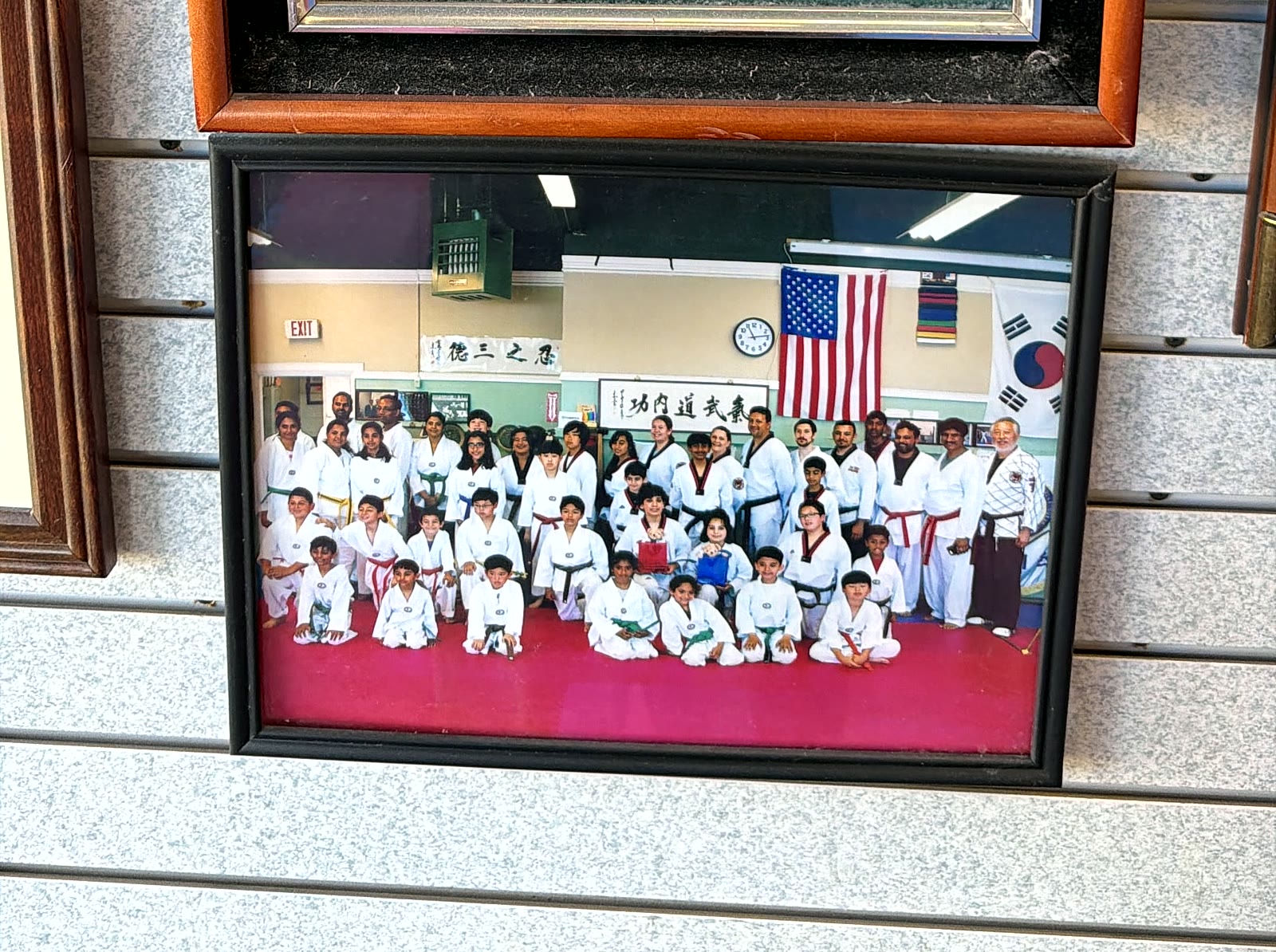
Martial arts classes for kids in Santa Clara are worth comparing by how a program teaches, supports safe participation, and fits your child's interests, not just by a style name. Before enrolling, visit or speak with the academy and ask what a typical class includes, what beginners can expect, and how the instructor responds to concerns. The American Academy of Pediatrics (AAP) recommends a preparticipation evaluation as part of routine health supervision for young people taking part in sports and physical activities. That is general medical guidance, not a claim that a particular class is appropriate for every child.
KIMOO Martial Arts is located in Santa Clara and lists Hapkido and Wushu among its disciplines. Confirm current class options and details with the academy before making a decision.
Begin with your child's needs and interests
Think about what your child wants from an activity and what you hope they will enjoy. They may be drawn to learning a new movement skill, participating in a structured class, or exploring a traditional martial art. Avoid expecting a guaranteed result such as improved grades, instant confidence, or a particular fitness outcome. A child's experience depends on many factors, including their interests and the program itself.
Ask whether the current class is designed for children and how instructors help new students understand directions. If your child is nervous, ask what the first visit usually involves and whether a parent can observe. If your child has a medical condition, previous injury, or other participation concern, discuss appropriate steps with their healthcare provider and share relevant information with the instructor. Do not assume a class can make a particular accommodation until you have confirmed it.
Ask about safe participation and medical readiness
The AAP's current Preparticipation Evaluation guidance says the evaluation is encouraged as part of routine health supervision to support safe participation in practice, competition, and physical activity. It describes the evaluation as broader than a physical exam, including health history and medical-record review. It recommends that it be conducted during an annual health supervision visit, and says timing and frequency may depend on state requirements. A parent can ask a child's clinician whether an evaluation is appropriate for their situation.
A school visit also gives you a chance to ask how the class is organized. What does the instructor do when a child is unsure about a movement? How are students told to pause or ask for help? What equipment, contact, or partner work should a parent expect? These are reasonable questions; the answers describe the particular class and should be confirmed rather than assumed.
If a child becomes unwell or reports pain, ask how the instructor expects them to communicate that. Parents should share relevant health information and follow professional medical advice where needed. The AAP's evaluation guidance puts health eligibility decisions with healthcare providers, not an instructor or a blog article.
Observe the teaching, not only the demonstration
A polished demonstration may be exciting, but it may not show what an everyday beginner class is like. If you can observe the session your child may attend, notice whether directions are clear, students have a chance to ask questions, and activities seem organized for the class's stated level. Ask how a beginner is introduced to movements and how the instructor responds when students need clarification.
These are practical observations, not a standardized rating system or a guarantee of a particular teaching method. Different children respond to different environments. After the visit, ask your child what they thought, and consider whether they seemed comfortable enough to try again.
Check the logistics before committing
Confirm the current timetable directly with the academy and compare it with school, family, and transportation routines. Ask about costs, enrollment terms, attire, equipment, and what happens if your family needs to change plans. Get current details in writing where appropriate. Do not rely on a search snippet or an old schedule for terms that can change.
Ask whether a free trial or introductory visit is available, what the child should wear, and whether the parent should arrive early. Do not assume an offer or discount unless the academy confirms it. A clear explanation of costs and next steps makes it easier to choose without pressure.
KIMOO lists Hapkido and Wushu among its disciplines. Ask which current children's classes are available and how their activities differ. The listed styles alone do not establish which class is suitable for your child's age, interests, or health needs. Let the academy explain its current options, and make your decision after you understand the practical commitment.
Frequently asked questions
How do I choose kids' martial arts classes in Santa Clara?
Compare current class content, beginner support, safe-participation expectations, schedule, costs, and your child's comfort. Confirm details directly with each academy.
Should my child have a preparticipation evaluation?
The AAP encourages youth to receive an evaluation as part of routine health supervision. Ask your child's healthcare provider what is appropriate for your child's situation.
What questions should I ask at a first visit?
Ask what a typical class includes, how beginners are introduced, what safety expectations apply, what to wear, and how current enrollment details work.
Does KIMOO offer Hapkido and Wushu?
Both Hapkido and Wushu are among KIMOO's listed disciplines. Ask the academy to confirm current children's classes and fit.
Can we try a class first?
Ask whether a free trial or observation is available, and confirm arrangements before you visit. For current children's program details or to arrange a free trial, contact KIMOO Martial Arts at (408) 243-1001.
Train with a champion
Book your free trial class at KIMOO Martial Arts in Santa Clara and train under a World Cup gold medalist.
Keep reading