Choosing a Dojo
How to Choose Martial Arts Classes for Runners in Santa Clara
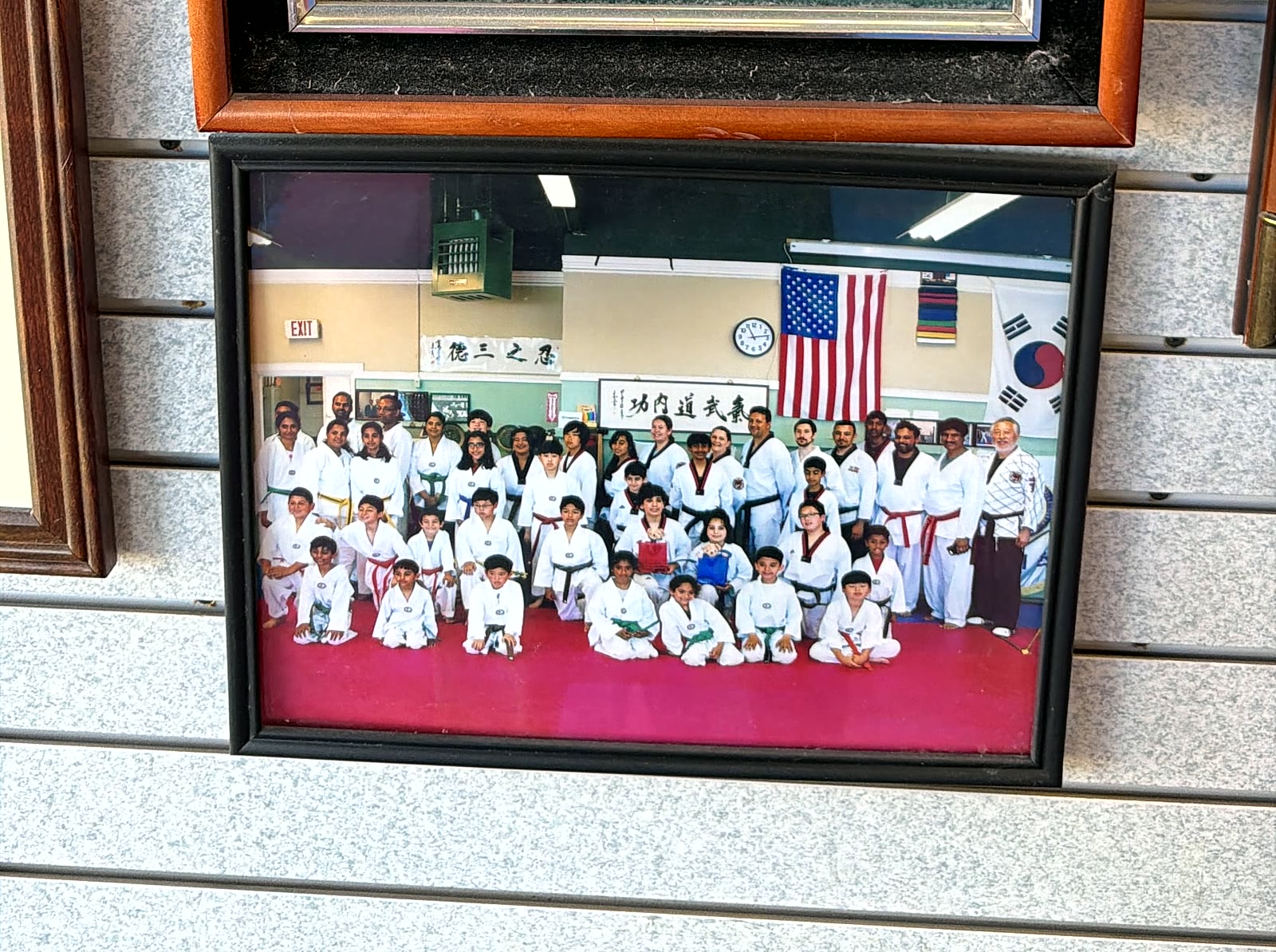
Runners often look for training that develops a different kind of movement awareness from a steady run. Martial arts classes for runners in Santa Clara can provide a structured way to practise balance, foot placement, coordination, and attention while learning a discipline with its own goals and traditions.
The best choice depends on what you want from cross-training. You may be curious about self-defence, interested in Hapkido or Taekwondo, or looking for a challenging practice that asks you to respond to changing positions. Use your first visit to evaluate the instruction and environment instead of assuming that every class will suit the same running routine.
Start with your running goals
Write down what you want martial arts to add. A runner might want to explore controlled changes of direction, practise movement from more than one stance, or develop a new skill that requires close attention. Another runner may be most interested in self-defence or competition training.
Your goal does not need to be performance-focused. It can simply be a desire to learn something new and build a more varied practice. Sharing that goal with an instructor creates a clearer conversation about how to begin.
Look for movement instruction, not random intensity
A good cross-training choice should be teachable. Watch whether an instructor breaks movements into understandable parts, demonstrates them clearly, and explains what students should notice. Pay attention to the quality of corrections, especially when students are learning footwork, posture, or a transition.
You should be able to understand the purpose of an exercise and ask how to perform it with control. The ability to slow down and learn accurately matters more than trying to make every session exhausting.
Compare disciplines with an open mind
Hapkido and Taekwondo offer different training questions, even when both require coordination and concentration. Self-defence training may focus on awareness and responsible responses. Competition training may place more emphasis on preparation for a specific performance setting.
KIMOO Martial Arts offers Hapkido, Taekwondo, self-defence, and competition training in Santa Clara, California. Ask how each discipline is introduced and which type of learning experience may align with your interests. You do not need to decide everything before an introductory conversation.
Ask how new movement is taught
Runners are accustomed to repeating a familiar action, while martial arts may ask you to change direction, work with a partner, or respond to a cue. Ask how the academy introduces unfamiliar movements and how students receive feedback.
Notice whether the instructor corrects the detail that matters most for the lesson. Clear priorities prevent a new student from trying to fix posture, foot placement, timing, and hand position all at once. One useful correction can create a better foundation for the next repetition.
Consider partner practice and etiquette
Many martial arts lessons include partner drills. Before participating, learn how partners communicate, how the exercise begins and ends, and what to do if something feels unclear. Control and attention should guide the drill.
A respectful training partner does not turn practice into a contest. Ask questions, follow the instructor's pace, and be willing to reset. These habits help create a focused environment for everyone, including people who are learning a movement for the first time.
Build a sustainable cross-training mindset
Avoid treating martial arts as another score to chase. Running already offers many ways to track distance, pace, and effort. Martial arts can be approached as a skill practice where quality of attention is part of the result.
Give yourself room to be a beginner. Listen closely, practise slowly when needed, and note one detail to revisit. If you are uncertain about how to balance martial arts with your running, explain your current routine and ask the instructor for guidance about the learning process. Do not make assumptions about a class schedule or training load before asking.
Use a trial visit to evaluate fit
A free trial class or introductory visit can help you compare an academy thoughtfully. Before attending, ask what a new student should expect and whether there are any recording or partner-work guidelines. During the visit, notice the clarity of teaching, the organisation of the space, and the way students treat one another.
Afterward, ask yourself whether the experience matched your goals. Did you learn what the exercise was for? Could you ask questions? Did the environment feel focused and respectful? These observations are more useful than choosing based only on a broad promise about results.
Learn about KIMOO Martial Arts
KIMOO Martial Arts is located in Santa Clara, California. Grand Master Jong Yeon Hwang trained at the Korea Hapkido Headquarters Dojang from 1971 and holds 8th Dan Hapkido. He won Gold at the 10th Wushu World Cup in Milan in 2005. He received the President's Volunteer Service Award, a White House honor, in 2023. KIMOO received Santa Clara District 2 Business of the Year in 2019.
These verified details offer context about the academy and its leadership. A visit can help you decide whether its training approach is the right fit for your goals as a runner and learner.
Frequently asked questions
Can runners start martial arts without prior experience?
Ask the academy how it introduces new students and explain your background. A clear conversation can help you understand the first learning steps without making assumptions about the class.
Which discipline should a runner try first?
That depends on your interests. KIMOO offers Hapkido, Taekwondo, self-defence, and competition training. Discuss your goals with the academy rather than choosing only by the name of a discipline.
Is martial arts a replacement for running?
No. It can be a separate skill practice or a form of cross-training, depending on your goals. Ask an instructor how the lesson is structured and make your own training decisions thoughtfully.
What should I look for in a first class?
Look for clear demonstrations, respectful partner work, useful corrections, and an environment where you can ask questions. Notice whether the lesson has a purpose you can understand.
How can I avoid doing too much at once?
Be honest about your existing routine and goals. Learn the class expectations before making changes, and focus on controlled skill development instead of chasing intensity.
Do martial arts classes require advanced footwork?
New students can ask how footwork and other movements are introduced. A thoughtful instructor should be able to explain the starting point and the next skill to practise. Ready to explore a new movement practice? Book a free trial class at KIMOO Martial Arts in Santa Clara or call (408) 243-1001.
Train with a champion
Book your free trial class at KIMOO Martial Arts in Santa Clara and train under a World Cup gold medalist.
Keep reading