Training Tips
AI Martial Arts Training in 2026: What Technology Can Do
AI martial arts training is moving from an abstract idea into a practical conversation about video feedback, practice planning, and digital coaching tools. In 2026, athletes and instructors can encounter software that analyses movement or helps organise practice. The important question is not whether technology sounds advanced. It is whether a tool helps you understand a specific skill while keeping instruction, safety, and human judgment at the centre.
Technology can support practice, but it cannot replace a thoughtful training relationship. Use new tools to ask better questions about technique, not to chase a score or a guarantee.
What AI tools may offer
A digital system may organise notes, compare video clips, highlight movement patterns, or suggest a practice structure. It is most useful when it leads to a clear next step, such as reviewing whether a stance stayed consistent.
Treat any output as information to discuss, not a final verdict. A camera captures an angle and a moment, but may not understand a technique’s purpose or training context.
Keep the training goal specific
Before using an app or recording a session, choose one question. You might ask whether your foot placement stays organised during a turn, whether your hands return to a consistent position, or whether your pace changes during a sequence. A narrow question makes video review easier to interpret.
Avoid asking a tool to judge everything at once. Broad feedback can create a long list of corrections without showing which one matters first. Fundamentals improve through prioritisation. Ask an instructor to help you choose the detail that deserves attention in the next repetition.
Use video as a learning prompt
Video can make a movement easier to observe, especially when a practitioner watches with a clear purpose. Record only when the academy permits it and protect the privacy of everyone in the training space. Do not film partners or share their images without permission.
Watch a short clip rather than endlessly replaying a session. Compare what you intended to do with what you can see. Then write one observation and one question. This keeps review connected to practice instead of turning training into passive screen time.
Understand the limits of automated feedback
Movement analysis can be sensitive to camera position, lighting, clothing, frame rate, and the quality of the captured movement. A tool may miss details that matter in a live lesson, such as balance under changing conditions, communication with a partner, or whether a technique is appropriate for the exercise.
AI can also sound confident when its interpretation is incomplete. Do not use automated output to diagnose an injury, decide whether contact is safe, or override an instructor’s safety direction. If pain or a health concern is involved, seek appropriate professional guidance.
Keep a qualified instructor involved
A martial arts instructor adds context that a screen cannot provide. They can explain the purpose of a technique, select a suitable progression, adjust an exercise, and observe how a student responds in real time. They can also identify when more repetition is valuable and when a variation would only add noise.
The best use of a digital tool is often a conversation starter. Bring a question, a note, or a permitted video observation to class. Let the instructor decide whether the information is relevant and what to practise next.
Connect technology with traditional practice
KIMOO Martial Arts offers Hapkido, Taekwondo, self-defence, and competition training in Santa Clara, California. Anyone exploring technology should first understand the fundamentals of the discipline they want to study. Ask how a digital observation connects with posture, balance, footwork, timing, or the purpose of a technique.
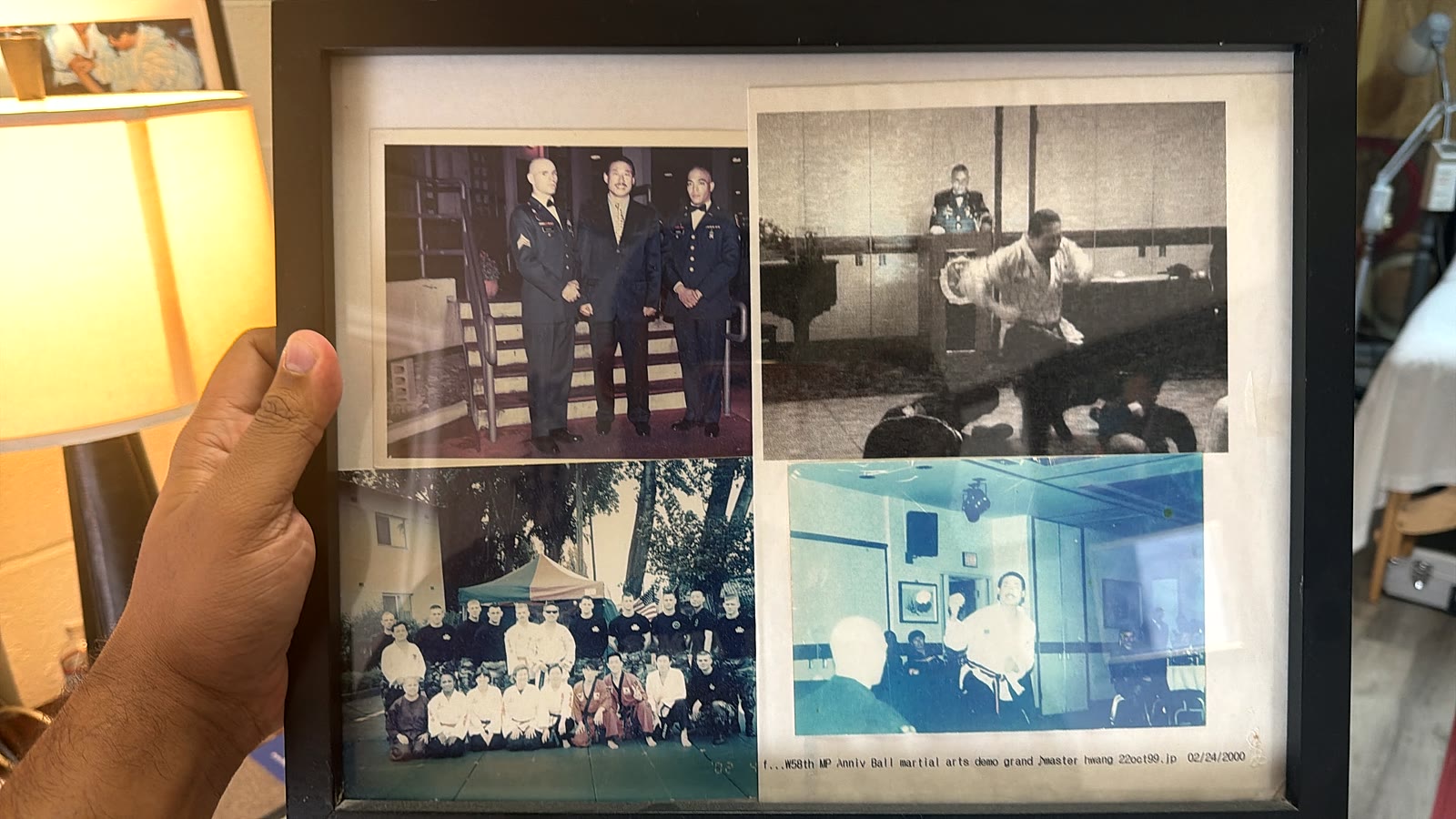
Grand Master Jong Yeon Hwang trained at the Korea Hapkido Headquarters Dojang from 1971 and holds 8th Dan Hapkido. He won Gold at the 10th Wushu World Cup in Milan in 2005. He received the President’s Volunteer Service Award, a White House honor, in 2023. KIMOO received Santa Clara District 2 Business of the Year in 2019.
KIMOO’s verified background is a useful reminder that technology is only one part of a serious training environment. Ask how instruction is delivered and how your goals would be supported before deciding whether any digital tool belongs in your routine.
Protect privacy and training culture
Convenience does not remove responsibility. Ask who owns a recording, where it is stored, whether it is used to train a system, and how long it remains available. Be especially careful when other students appear in a frame. Consent and clear academy policies should guide every recording.
Training should also remain a human activity. Looking at a screen should not replace listening, practising with control, communicating with partners, or showing respect. If a tool distracts from those habits, set it aside.
Build a simple technology-assisted routine
Start with a fundamentals-first process. Choose one goal, receive instruction, practise without unnecessary distractions, and make a short note about what you noticed. If permitted, review a brief recording and identify one question. Return to class with that question and let coaching shape the next step.
This keeps technology in its proper role. It can organise information, while an instructor and consistent practice give it meaning.
Frequently asked questions
Can AI replace a martial arts instructor?
No. A tool may process video or organise information, but an instructor provides context, progression, safety guidance, and real-time feedback that software may not understand.
What is a good first use for AI in martial arts?
Use it to organise practice notes or frame one permitted video-review question. Keep the goal narrow and ask an instructor whether the observation is relevant.
Should I record a martial arts class?
Only with clear permission from the academy and everyone who could appear in the recording. Follow privacy rules, protect the file, and never share another person’s image without consent.
Can automated feedback identify an injury?
Do not rely on an AI tool to diagnose an injury or decide whether activity is safe. For pain or health concerns, seek appropriate professional guidance and inform your instructor.
How should technology fit into KIMOO training?
KIMOO offers Hapkido, Taekwondo, self-defence, and competition training. Ask the instructor how any digital observation relates to the fundamentals and purpose of your chosen training path.
Does more data always mean better practice?
No. Too much feedback can make priorities unclear. One specific question and one useful correction are often more practical than a long list of automated suggestions. Explore disciplined, human-centred martial arts training at KIMOO Martial Arts in Santa Clara. Book a free trial class, or call (408) 243-1001.
Train with a champion
Book your free trial class at KIMOO Martial Arts in Santa Clara and train under a World Cup gold medalist.
Keep reading