Choosing a Dojo
Wushu vs. Hapkido Classes in Santa Clara: How to Choose
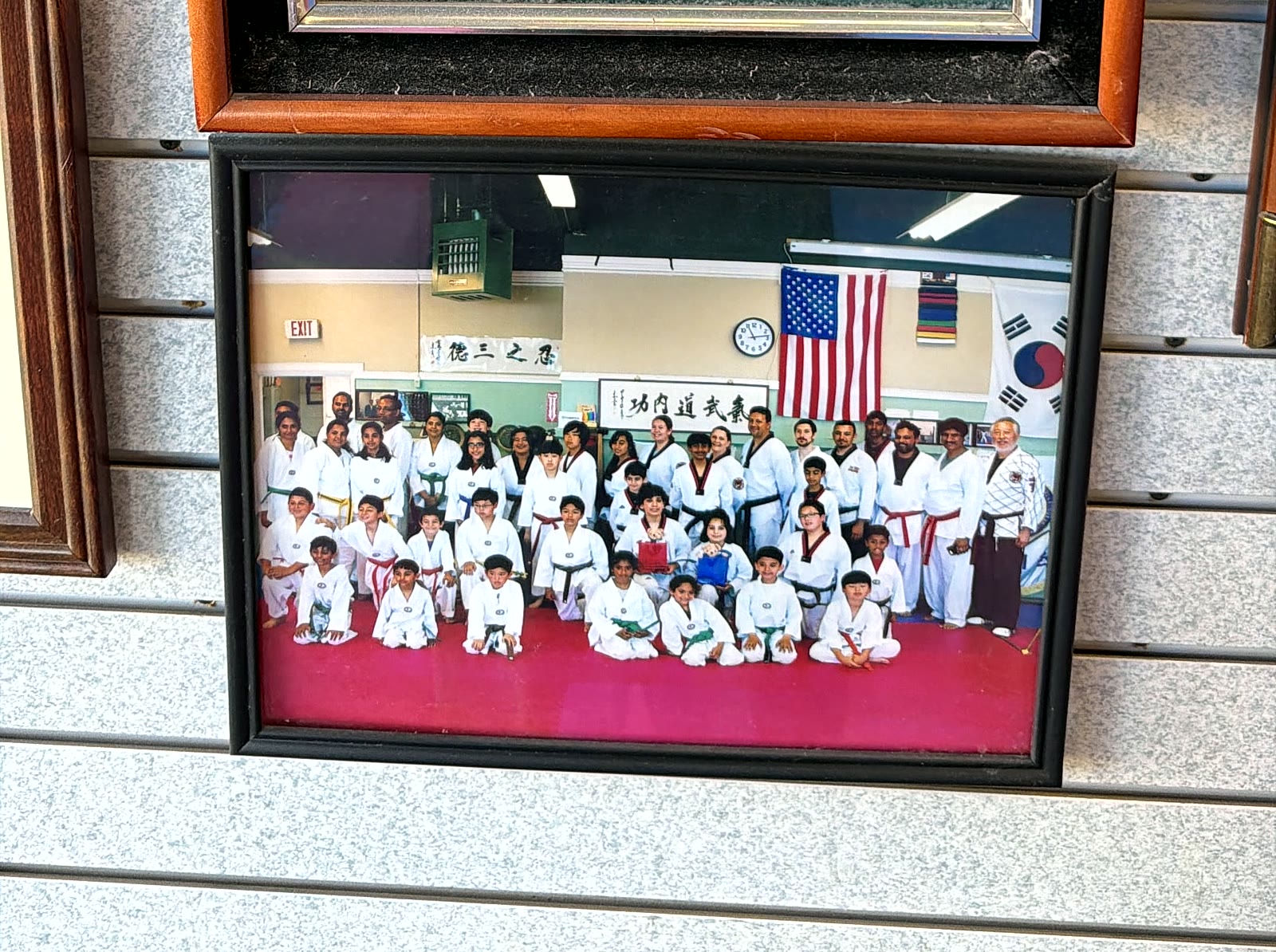
Wushu vs. Hapkido classes in Santa Clara may both appeal to someone exploring martial arts, but the names alone do not tell you which program fits your goals. Start by asking what you want from training, what each current class actually covers, and how a beginner can try it. KIMOO Martial Arts lists both Wushu and Hapkido among its disciplines. This guide offers a practical way to compare them without assuming every school or class follows the same curriculum.
Understand the broad distinction
Wushu is a broad term used for Chinese martial arts and can describe different training approaches. Hapkido is a Korean martial art. These names identify traditions, but they do not tell you precisely what an individual school teaches, how a class is structured, or whether it suits a particular learner. Programs vary, so verify details with the academy rather than relying only on a style label.
KIMOO's verified background includes a Grand Master who holds 8th Dan Hapkido and trained at the Korea Headquarters in 1971, as well as a gold medal at the 10th Wushu World Cup in Milan in 2005. Those facts establish the academy's relationship to both disciplines; they are not a promise about any student's results or a substitute for asking about a specific class.
Begin with your own goals
Before choosing, consider what has brought you to martial arts. Are you curious about a traditional discipline, looking for a structured movement practice, or exploring self-defence training? Do you want an activity you can continue regularly, or are you simply comparing options before committing? Your answers can help guide the conversation with instructors.
Do not assume that a style name guarantees a specific fitness outcome, self-defence skill, contact level, or competition opportunity. The actual content depends on the program and class. Explain your interests and ask the academy to describe what a newcomer would experience. If you are choosing for a child, consider the child's preferences as well as the parent's goals.
Questions to ask about each class
When you contact an academy, ask which Wushu and Hapkido classes are currently available and who they are intended for. Confirm any current age or experience requirements directly; they are not stated here. Ask what a typical introductory class includes, what clothing is appropriate, and whether parents or prospective students can observe before joining.
You can also ask about how beginners learn, how class expectations are explained, whether training includes partner work or contact, and what supervision looks like. These are reasonable questions for any martial arts program, not assumptions about KIMOO's exact format. A clear explanation can help you decide whether the activity feels comfortable and aligned with your priorities.
Compare the teaching environment, not just the style
A useful comparison includes the setting, communication, and opportunity to experience instruction. Notice whether questions are welcomed and whether the instructor explains expectations clearly. If the academy offers a trial, use it to assess your own comfort and interest rather than treating one visit as proof of future progress.
Ask about practical details such as current schedule, enrollment process, fees, uniform or equipment needs directly with the school. These particulars may change, and this article does not supply them. If you have an injury, medical concern, or other health consideration, consult a qualified healthcare professional before beginning physical training and discuss appropriate participation with the school.
A practical decision framework
You can make your choice in three steps. First, write down what matters most to you, such as learning a traditional style, trying a new form of movement, or exploring a structured practice. Second, ask how each available class addresses those interests. Third, if a trial is offered, attend and reflect on whether the class, instruction, and atmosphere feel right.
You do not need to decide based on which discipline sounds more impressive. Wushu and Hapkido are different traditions, and either may be worth exploring depending on the actual class and your interests. A trial and a direct conversation can give you better information than online comparisons alone.
Frequently asked questions
Are Wushu and Hapkido the same martial art?
No. Wushu refers broadly to Chinese martial arts, while Hapkido is a Korean martial art. Individual schools may offer different curricula, so ask what their classes teach.
Does KIMOO Martial Arts offer both disciplines?
KIMOO lists Wushu and Hapkido among its disciplines. Contact the academy to confirm current class availability and details.
Which one is better for beginners?
There is no universal answer. Ask about beginner instruction in each current program and consider your goals, preferences, and comfort after learning what a class involves.
Should I choose based on competition opportunities?
Only if that is important to you, and then confirm what opportunities currently exist. Do not assume that every class includes competition training.
What should I ask before attending a trial?
Ask what the introductory session involves, what to wear, whether there are participation requirements, and what current fees or enrollment steps apply. To explore the options, book a free trial class with KIMOO Martial Arts or call (408) 243-1001.
Train with a champion
Book your free trial class at KIMOO Martial Arts in Santa Clara and train under a World Cup gold medalist.
Keep reading