Martial Arts Sparring and Concussion Safety: A Parent's Guide
November 3, 20266 min readKIMOO Martial Arts
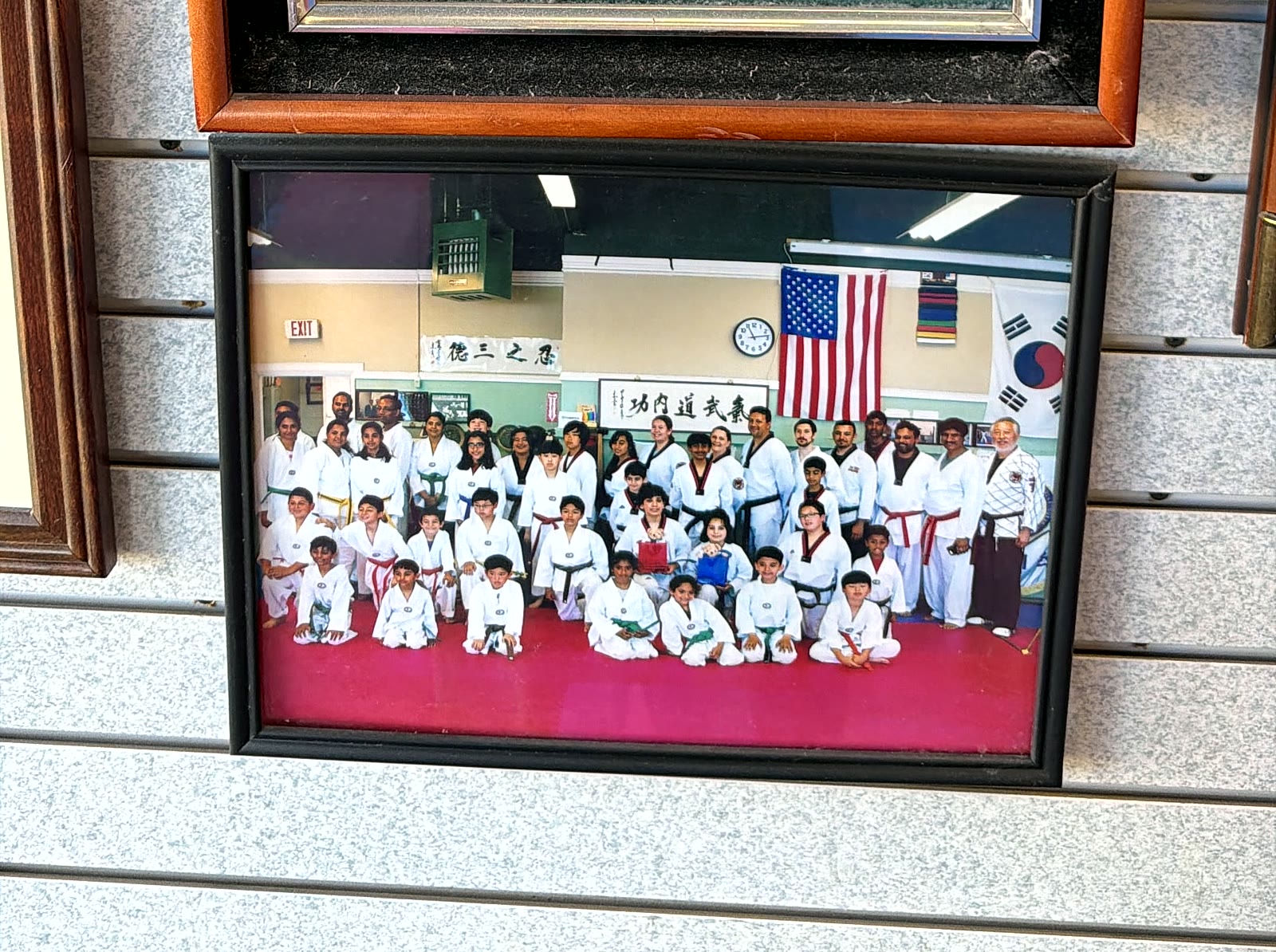
Students practicing martial arts together under instruction

Martial arts sparring and concussion safety are important topics for parents to discuss before a child begins a contact activity. The American Academy of Pediatrics (AAP) says beginners should focus on non-contact form and skill development before considering sparring or contact. The AAP also notes that injury risks vary by martial arts type and level. That makes it useful to ask a school what its program includes, how students progress, and what steps it takes when someone may have been injured.

This article shares general information, not medical advice or a judgment about any specific academy's practices. KIMOO Martial Arts offers martial arts training in Santa Clara; ask the school directly about current class formats, contact activities, supervision, and its response procedures before choosing a program.

Ask exactly what a class includes

The word “martial arts” can cover many kinds of practice. A class may focus on non-contact techniques, forms, drills, partner work, or other activities. The details depend on the discipline and the particular class. Ask whether the class you are considering includes sparring, what that term means in the school's program, and whether participation is optional or part of progression.

The AAP's parent guide recommends focusing on non-contact form and skill development when first getting started before considering sparring or contact. It describes progression as learning techniques under supervision before testing skills against others. Use this as a starting point for questions, not an assumption that every school follows an identical sequence. Ask the instructor to explain their actual approach.

Discuss coaching and protective equipment

The AAP notes that appropriate training, coaching, and refereeing are among the ways to help prevent injuries, particularly as children begin competing against one another. Ask who supervises a session and how students are taught to practice safely. If protective equipment is involved, ask what is used and when.

Protective gear varies with the type and level of martial arts. The AAP notes that equipment may reduce some soft-tissue or dental injuries, but it has not been shown to prevent concussions. So gear should not be treated as a guarantee against head injury. Ask about contact rules and the school's injury-response process instead of assuming equipment alone makes an activity risk-free.

Know the concussion response basics

If a child sustains a suspected concussion, stop participation and seek medical evaluation. The CDC's HEADS UP guidance points to a six-step Return to Play progression for returning to sports after a concussion. A parent should follow medical advice and applicable school or sport procedures rather than using a blog to decide when a child is ready to resume training.

A return-to-sport progression is not permission to skip professional guidance. Ask how the academy responds if a student reports symptoms or appears injured, and who will communicate with the parent. Discuss any return to class with the child's healthcare professional and confirm what documentation or clearance the school may require.

Compare programs with informed questions

When considering a youth martial arts class, you can ask:

  • What does a typical beginner session include?
  • Does it involve contact, partner practice, or sparring?
  • How are students introduced to those activities?
  • What supervision and protective equipment are used for the specific class?
  • How should a student or parent report pain, a possible head injury, or a concern?
  • What is the process for returning after an injury?

These questions help you understand the program without presuming any particular answer. Ask for current policies in writing if you need clarity. A trial session can also help you see how instructions are given, if the academy makes a trial available.

Consider fit, readiness, and communication

No sport is entirely without risk, and children differ in interests and readiness. The AAP recommends parents speak with a pediatrician if they have questions about whether martial arts is appropriate for their child. Share relevant health considerations with the school as appropriate, and ask whether the class accommodates the child's needs.

Choose a program based on what you learn about its actual format and communication, not solely on a style name, equipment, or promises. Clarify current age and experience requirements, class availability, costs, and participation expectations directly with the academy; those details can vary and are not specified here.

Frequently asked questions

Should a beginner start with sparring?

The AAP advises starting with non-contact form and skill development before considering sparring or contact. Ask the instructor how the specific program introduces these activities.

Does protective equipment prevent concussion?

The AAP says protective equipment has not been shown to help prevent concussions. Ask about equipment, rules, supervision, and injury response together.

What should I do if my child may have a concussion?

Stop activity and seek medical evaluation. Follow the healthcare professional's guidance and the CDC's Return to Play progression as applicable.

Can a child return to martial arts as soon as symptoms improve?

Do not make that decision from general online guidance alone. Consult the child's healthcare professional and follow the recommended return-to-sport steps and any applicable school policy.

How can parents assess a martial arts school?

Ask what training includes, how beginners progress, what supervision and safety procedures apply, and how injuries are handled. Confirm details with the school directly. For current program information, book a free trial class with KIMOO Martial Arts or call (408) 243-1001.

Train with a champion

Book your free trial class at KIMOO Martial Arts in Santa Clara and train under a World Cup gold medalist.

Wushu vs. Hapkido Classes in Santa Clara: How to Choose→Youth Martial Arts Classes in Santa Clara: A Parent's Safety Checklist→Martial Arts and Youth Physical Activity: A Parent's Practical Guide→Wushu Classes in Santa Clara: A Beginner's Guide for Families→Returning to Martial Arts After a Concussion: A Family Safety Guide→Can Martial Arts Count Toward Weekly Activity Goals? A Practical Guide→Kids Martial Arts Classes in Santa Clara for Individual Skill Growth→Women's Self-Defence in Santa Clara: Walk Anywhere, Fear Nothing→Why Santa Clara Families Choose KIMOO Martial Arts→Teen Martial Arts in Santa Clara: Strength With Purpose→Taekwondo in Santa Clara, Taught by a World Cup Gold Medalist→What the 2026 USA Taekwondo and AAU Alignment Means→Martial Arts Near Sunnyvale and Cupertino: Worth the Short Drive→Kids Martial Arts in Santa Clara: Free First Class, Free Uniform→Hapkido in Santa Clara: Learn It From the 1971 Source→A Beginner’s Guide to Hapkido Classes in Santa Clara→Competition Training in Santa Clara: Coached by a World Champion→The Road to Black Belt in Santa Clara — and Why It Cannot Be Bought→Adult Martial Arts in Santa Clara: Better Than Any Gym Membership→USA Taekwondo Poomsae Rules for 2026: A Family Guide→Sibling Martial Arts Classes in Santa Clara: What Families Should Ask→Teen Self-Defence Classes in Santa Clara: A Family's Guide→A New 2026 Adolescent Martial Arts Study: What It Can Tell Us→Martial Arts and DCD: What a 2026 Review Actually Found→Choosing Martial Arts Classes for Coordination in Santa Clara→Taekwondo Premier League Season 2: What the Hyderabad Format Means→Questions to Ask a Martial Arts Academy in Santa Clara Before Visiting→AI Movement Feedback in Martial Arts: What a 2026 Study Suggests→Hapkido Trial Class in Santa Clara: What to Ask Before You Book→Qatar Open Taekwondo 2026 Results: What the Oman Medal Story Shows→After a Martial Arts Trial Class in Santa Clara: How to Decide→Taekwondo 9th Dan Recognition in 2026: How to Read the News→Non-Competitive Martial Arts in Santa Clara: What to Ask→The 2026 School-Based Martial Arts Study: What It Says→Martial Arts Classes for Women in Santa Clara: How to Choose→Taekwondo Kicking Training in Santa Clara: What to Ask→Para Taekwondo at Asian Para Games 2026: Opening Results→2026 World Youth Karate Championships: How to Read the Results→Martial Arts Classes for First Responders in Santa Clara: What to Ask→Dakar 2026 Taekwondo: Dates and a Youth Olympic Storyline→After-School Martial Arts in Santa Clara: A Parent Checklist→Martial Arts Class Safety in Santa Clara: Questions to Ask→Martial Arts Aggression Research 2026: Reading the Evidence→Martial Arts Classes for Veterans in Santa Clara: What to Ask→Hapkido Principles of Flow, Circle, and Harmony: A Guide→Martial Arts Classes for Student Athletes in Santa Clara: What to Ask→Asian Games 2026 MMA Weight Rule: How a Draw Was Resolved→Taekwondo and Cultural Diplomacy: A Recent Kukkiwon Visit→Homeschool Martial Arts Classes in Santa Clara: Questions to Ask→Martial Arts Classes for Remote Workers in Santa Clara: What to Ask→3D-Printed Martial Arts Chest Protectors: A New Fit Concept→Martial Arts Classes for Healthcare Workers in Santa Clara: What to Ask→Kettlebell Training for Martial Artists: How to Start Thoughtfully→Taekwondo Tournament Spectator Etiquette: How to Cheer with Respect→Neurodivergent Students and Martial Arts in Santa Clara: What to Ask→Women's Taekwondo Classes in Santa Clara: What to Ask→Taekwondo Terminology for Beginners: Common Korean Class Words→Taekwondo Sport Anxiety Study: What Recent Injury Research Says→Multi-Style Martial Arts Classes in Santa Clara: A Choosing Guide→What to Wear to a Martial Arts Class in Santa Clara: Trial Guide→Poomsae vs Kyorugi: How Taekwondo Competition Formats Differ→Non-Contact Martial Arts Classes in Santa Clara: Questions to Ask→K41 vs K44 Para Taekwondo: How Classification Shapes Competition→Martial Arts Classes for Parents and Teens in Santa Clara: What to Ask→Hapkido vs Aikido: Key Differences and How to Compare Training→Taekwondo Change-of-Direction Testing: What a 2026 Review Found→Martial Arts Classes for Focus in Santa Clara: Questions to Ask→Martial Arts School Culture in Santa Clara: What to Look For→Kids World Open Taekwondo Championships 2026: What to Know→Self-Defence or Competition Training in Santa Clara: How to Choose→Martial Arts Practice at Home: A Focused Guide to Solo Training→World Taekwondo Grand Prix Paris 2026: Dates and Format→Martial Arts Classes for Introverts in Santa Clara: A First-Visit Guide→Martial Arts and Nonviolence: Training with Restraint→Changing Martial Arts Schools in Santa Clara: Questions to Ask→Martial Arts Flexibility Training: Build Range with Control→Accessible Martial Arts Classes in Santa Clara: What to Ask→Martial Arts Membership in Santa Clara: Questions Before You Join→Martial Arts and Bullying Prevention: A Responsible Guide for Families→Martial Arts Gear in Santa Clara: What to Ask Before You Buy→Hydration for Martial Arts Training: A Practical Guide→De-escalation and Self-Defence Training in Santa Clara: What to Ask→Martial Arts Training Journal: A Simple Post-Class Guide→Poomsae vs Kyorugi: Two Taekwondo Competition Formats→Martial Arts Class Size in Santa Clara: What to Ask→Virtual Taekwondo at Asian Games 2026: How It Works→Hapkido Instructor in Santa Clara: What Credentials Can Tell You→Martial Arts Training Plateau: How to Find a Productive Next Step→Hapkido Self-Defence in Santa Clara: Questions to Ask Before You Choose→Taekwondo at LA 2028: Events, Classes, and What to Know→Adult Taekwondo Classes in Santa Clara: How to Choose→Martial Arts and Cognitive Engagement: What Recent Research Says→Martial Arts Classes for Caregivers in Santa Clara: What to Consider→Open-Skill Martial Arts Training: Why Adaptability Matters→Martial Arts Classes for Teachers in Santa Clara: A Thoughtful Guide→Representative Martial Arts Training: A Practical Guide→Martial Arts Classes for Shift Workers in Santa Clara: What to Ask→Travel Safety Martial Arts Classes in Santa Clara: What to Ask→External Focus in Martial Arts Training: A Practical Guide→Kids Martial Arts Classes in Santa Clara: A Parent's Guide→Guided Discovery in Martial Arts Training: A Practical Guide→Martial Arts Resilience Training: Build a Steadier Practice→Martial Arts for Personal Safety in Santa Clara: What to Ask→Deliberate Practice in Martial Arts: A Smarter Way to Train→Adult Hapkido Training in Santa Clara: What to Ask→Private Martial Arts Lessons in Santa Clara: Questions to Ask→Ecological Dynamics in Martial Arts Training: A Practical Guide→Martial Arts Interoception: Learn to Notice Your Body→Martial Arts Classes for New Residents in Santa Clara→Martial Arts Social Connection: How Shared Practice Works→Martial Arts Classes for Seniors in Santa Clara: What to Ask→Martial Arts Classes for Parents in Santa Clara: A Practical Guide→Martial Arts Breakfall Training: Why Safe Falling Matters→Martial Arts Classes for Adults Returning to Exercise in Santa Clara→Embodied Martial Arts Training: Learn Through Movement→Martial Arts Prehab: A Smarter Way to Prepare for Training→How to Choose Martial Arts Classes for Runners in Santa Clara→Martial Arts Video Analysis: Use Recording with Purpose→How to Choose Martial Arts Classes for Tech Professionals in Santa Clara→Martial Arts Coaching Feedback: How to Improve with Purpose→How to Choose Martial Arts Classes for College Students in Santa Clara→Martial Arts Warm-Up Drills for Focused, Safer Practice→How to Choose Martial Arts Classes for Couples in Santa Clara→How to Choose Taekwondo Competition Training in Santa Clara→Augmented Reality Martial Arts Training: What Students Should Know→Martial Arts Peripheral Vision Training: A Practical Guide→How to Compare a Martial Arts Class Schedule in Santa Clara→How to Choose Self-Defence Classes for Beginners in Santa Clara→Martial Arts Distance Management: Train Position with Purpose→Martial Arts Training Load Management: Train with Purpose→How to Choose Martial Arts Classes Near Me in Santa Clara→Strength Training for Martial Artists: A Balanced Guide→How to Choose Martial Arts Classes Near Santa Clara→Martial Arts Training Apps: A Smart Guide for Students→How to Choose a Martial Arts Instructor in Santa Clara→Martial Arts Rhythm Training: Build Better Timing→Martial Arts Class Cost in Santa Clara: Questions to Ask→Martial Arts Skill Retention: How to Remember What You Learn→Back-to-School Martial Arts in Santa Clara: A Family Guide→Wearable Technology for Martial Arts: A Smart Training Guide→Martial Arts Belt Testing in Santa Clara: What to Ask→How to Choose Martial Arts Classes After Work in Santa Clara→Gamification in Martial Arts Training: Use Play with Purpose→Martial Arts Classes for Stress Relief in Santa Clara: How to Choose→AI Martial Arts Training in 2026: What Technology Can Do→Martial Arts Coordination Classes in Santa Clara: What to Look For→Constraint-Led Martial Arts Training: A Practical Introduction→Slow Martial Arts Practice: Why Precision Comes First→Martial Arts Training Goals in Santa Clara: Find Your Fit→Self-Defence Training for Commuters in Santa Clara→Martial Arts Situational Awareness: A Practical Training Guide→Martial Arts Decision-Making Under Pressure: Train the Process→Your First Martial Arts Class in Santa Clara: A Simple Guide→Martial Arts Footwork Training: Build Better Movement Habits→Martial Arts Classes for Teens in Santa Clara: A Parent's Guide→Martial Arts Training Recovery: A Smarter Way to Practise→Adult Martial Arts Training in Santa Clara: How to Choose Well→Martial Arts School Comparison in Santa Clara: A Practical Guide→Martial Arts Motor Learning: How Skills Become More Precise→Martial Arts Proprioception Training for Better Body Awareness→How to Choose a Korean Martial Arts Academy in Santa Clara→Martial Arts Self-Regulation: Train Attention with Purpose→How to Choose Martial Arts for Confidence in Santa Clara→Choosing Taekwondo Self-Defence Training in Santa Clara→Martial Arts Goal Setting for More Purposeful Training→How to Choose Taekwondo Fitness Training in Santa Clara→Martial Arts Mental Rehearsal for More Focused Practice→How to Choose Martial Arts for Fitness in Santa Clara→Martial Arts Cross-Training: How to Combine Skills with Purpose→How to Choose Women's Self-Defence Classes in Santa Clara→Martial Arts Injury Prevention: Safer, Smarter Training Habits→Martial Arts Etiquette for Beginners: A Practical Guide→Family Martial Arts in Santa Clara: How to Choose a Dojo→How to Choose a Martial Arts Trial Class in Santa Clara→Martial Arts Partner Drills: How to Train with Purpose→Martial Arts Forms Training: How to Practise with Purpose→Hapkido Classes in Santa Clara: A Guide for New Students→What to Look for in Taekwondo Classes in Santa Clara→Martial Arts Reaction Time Training: A Smarter Way to Practise→Martial Arts Breathing Techniques for Better Training→How to Find Beginner Martial Arts Training in Santa Clara→Martial Arts Mobility and Balance Training for Everyday Movement→How to Choose Competition Martial Arts Training in Santa Clara→How Martial Arts Builds Focus and Discipline→How to Choose Adult Self-Defence Classes in Santa Clara→Hapkido vs Taekwondo: Which Martial Art Is Right for You?→How to Choose the Best Martial Arts Dojo in Santa Clara→