Choosing a Dojo
Non-Contact Martial Arts Classes in Santa Clara: Questions to Ask
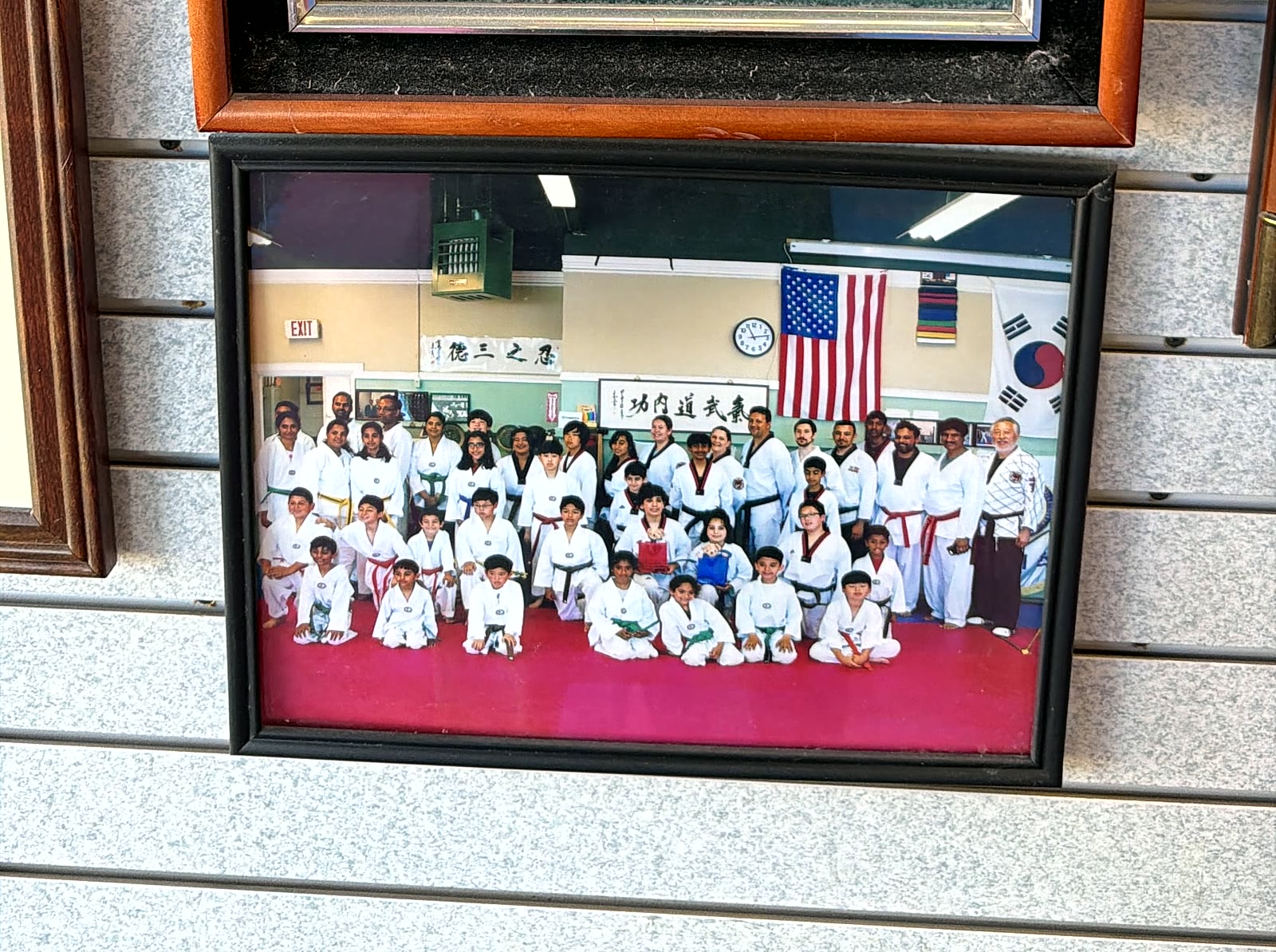
People looking for non-contact martial arts classes in Santa Clara may have different reasons for preferring a lower-contact environment. Some want to learn foundational movements without sparring. Others are comfortable with partner drills but want to understand how much physical contact those exercises involve. Since schools can use “non-contact” in different ways, it is worth asking what the term means in a specific program before booking a visit.
Define what non-contact means to you
Start by describing your own boundary in clear terms. Do you want to avoid sparring? Would you take part in partner practice if there were no striking contact? Are you looking for solo practice only, or are you open to controlled exercises with another student? These distinctions matter because the label alone does not tell you what happens in class.
You do not need to know the technical vocabulary before contacting an academy. Explain what you are comfortable with and ask the instructor to describe the class format. A helpful answer should clarify the difference between solo movement, partner drills, controlled contact, and sparring rather than treating all practice as one category.
Ask how partner practice works
Partner work can take many forms. Two students might rehearse a movement without making contact, take turns supplying a slow cue, or practise with contact under defined conditions. Do not assume that a program either includes full sparring or has no partner activity at all. Ask what the specific class includes and whether participation choices vary by session or training objective.
If you are not sure how an exercise will feel, ask whether you can first observe or receive an explanation before joining. It is reasonable to ask what students are expected to do if they feel uncomfortable during an exercise. Clear expectations help you make a decision based on the actual class instead of relying on a broad label.
Separate training style from contact level
The name of a martial art does not tell you the exact amount of contact in every school's program. When comparing Hapkido, Taekwondo, self-defence, or competition training, ask about the format offered at that academy. Find out whether the class uses partner drills, sparring, controlled contact, or other approaches, and how the instructor introduces each activity.
KIMOO Martial Arts is located in Santa Clara, California, and offers Hapkido, Taekwondo, self-defence, and competition training. The list of programs does not by itself specify a contact policy for any class. If contact level is important to you, describe your preference directly and ask the academy about the particular program you are considering.
Questions to bring to a first visit
A short checklist can help you get a direct answer. Ask what the phrase “non-contact” means in the class you are considering. Find out whether partner exercises are included, what those exercises involve, and whether sparring is part of that program. If an activity involves contact, ask how the school explains the expectations before students participate.
You can also ask whether you may watch before taking part and what a trial class involves. Confirm any participation requirements directly with the academy. If you have a boundary that must be respected, state it clearly before the class begins rather than hoping the school will infer it from your question.
Assess the answer, not just the marketing term
During a conversation or visit, consider whether the instructor answers your questions plainly. Can you distinguish what is optional from what is part of the class? Do you understand how the school handles a request to pause or decline an exercise? Do you know what you would be agreeing to if you joined a trial? If any answer remains unclear, ask again before deciding.
A good fit is personal. One student may want to build familiarity with fundamentals before considering contact. Another may be comfortable with partner drills but not sparring. The practical goal is to find out whether the academy's current program can accommodate what you are looking for, without assuming that a style label or general promise means the same thing everywhere.
Frequently asked questions
Does non-contact mean there are no partner drills?
Not necessarily. The phrase may refer to avoiding sparring, while a class could still include partner exercises. Ask the academy to explain the exact format of the program.
Can martial arts training include practice without sparring?
Class formats differ. Ask which parts of the specific class involve solo practice, partner drills, controlled contact, or sparring, and what participation options are available.
Should I ask about contact before a trial class?
Yes. Explain your preference in advance and ask what the trial involves so you can make an informed decision about participating.
Does a martial art's name tell me how much contact a class uses?
No. The format can depend on the particular program and school. Ask the academy about its current class rather than inferring contact level from the style name.
What programs can I ask KIMOO about?
KIMOO Martial Arts offers Hapkido, Taekwondo, self-defence, and competition training. Contact the academy to ask about the format of the current program that interests you. If you are exploring a martial arts program, book a free trial class at KIMOO Martial Arts in Santa Clara or call (408) 243-1001 to discuss your questions about class format.
Train with a champion
Book your free trial class at KIMOO Martial Arts in Santa Clara and train under a World Cup gold medalist.
Keep reading