Taekwondo Belt Order: Every Colour and What It Means
November 4, 20267 min readKIMOO Martial Arts
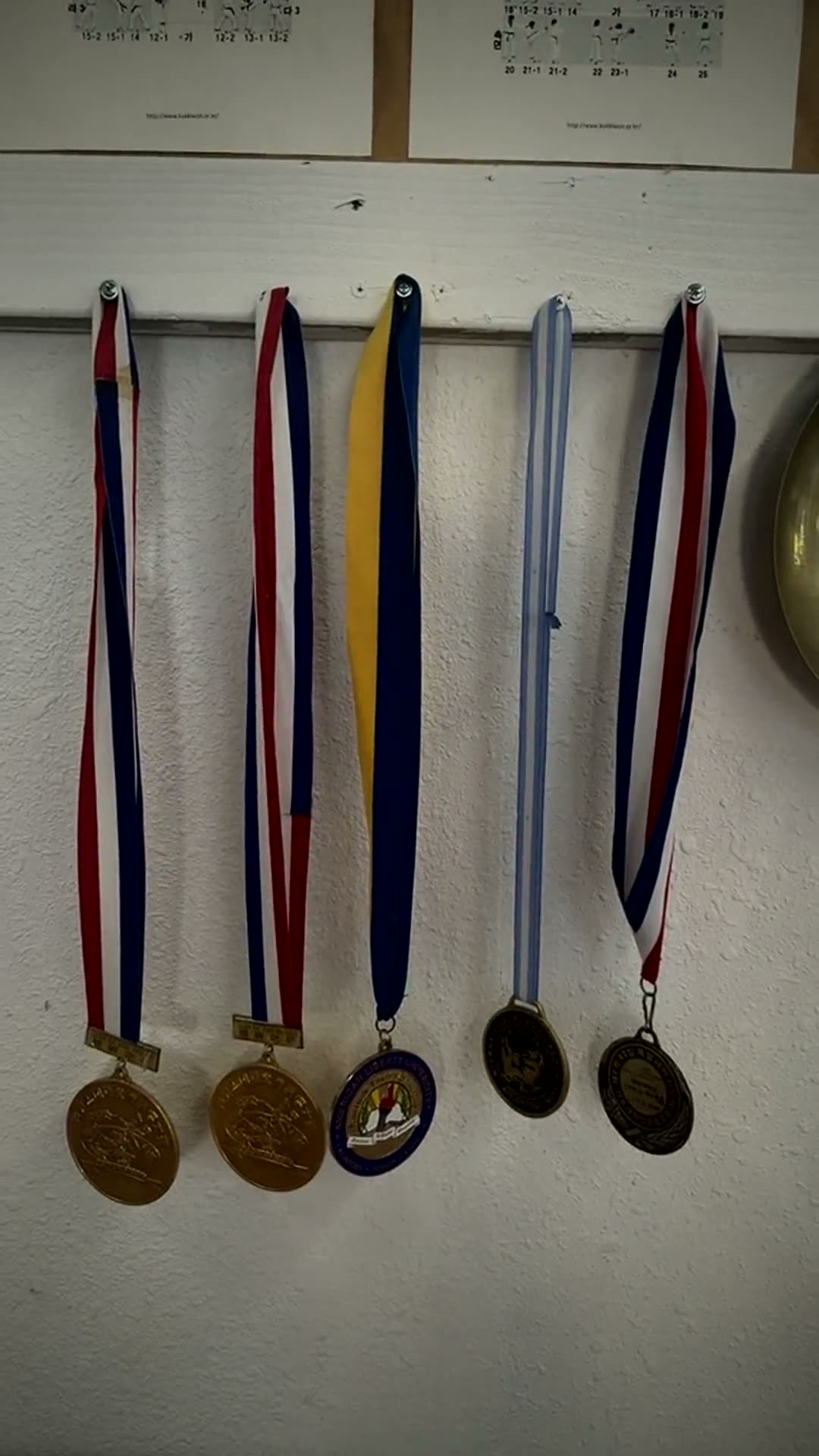
Championship medals and belts at KIMOO Martial Arts in Santa Clara

If your child has just started Taekwondo, the belt system is probably the first thing you want to understand. It is also the thing most schools explain worst.

Here is the clear version.

The standard progression

Most Taekwondo schools follow a colour sequence built around a growth metaphor — a seed pushing through soil toward the sky:

  • White — the seed. A beginner with no prior knowledge. Purity and a clean start.
  • Yellow — the first sunlight reaching the seed. Basic techniques begin to take root.
  • Green — growth. The plant breaks the surface; technique starts to develop genuinely.
  • Blue — the sky the plant grows toward. Technique broadens and ambition sets in.
  • Red — caution, control and danger. The student is now capable enough that restraint matters.
  • Black — maturity, mastery, and the beginning of renewal.

Many schools insert intermediate stages — a yellow stripe on white, a black stripe on red — so progress stays visible between full grades. Before full black belt, students often wear a black belt with a white stripe while training under senior instructors.

Why two schools disagree about colours

This is the part that confuses parents, and it is genuinely confusing.

Belt colours and their meanings are not standardised across organisations. The major bodies differ:

  • World Taekwondo and ITF systems typically use the white-to-black colour arc above, with ITF counting down through ten geup ranks and using stripe progression.
  • ATA uses a noticeably different system. Orange comes before yellow, and it includes colours such as camouflage, plus intermediate ranks like red/black before black belt.

Even the meanings attached to colours vary. Some schools describe red as danger and caution; others link it to control and discipline. Neither is wrong — they are different traditions.

What this means practically: a green belt at one school is not automatically a green belt at another. If you move schools, expect to be assessed rather than simply transferred.

After black belt: the dan grades

Black belt is not the end of the system. It is the entry to it.

Above black belt sit the dan grades, numbered upward, associated with deepening mastery and teaching ability. In the Korean tradition, a first dan black belt is considered someone who has finally learned the fundamentals well enough to begin learning properly.

For scale: the Grand Master at KIMOO Martial Arts in Santa Clara holds 8th Dan in Hapkido, certified in 1992, having begun training in 1971. That is the distance between a first black belt and a lifetime.

How long does each belt take?

Any school that gives you a fixed timeline is selling you a date, not a rank. Honest answer: it depends on how often the student trains, how well they absorb correction, and the standard the school actually holds.

A school that guarantees black belt in a set number of months has, by definition, stopped measuring ability. We wrote more about that in why a black belt cannot be bought.

See the system in practice

The fastest way to understand a belt system is to watch a grading standard being held. At KIMOO Martial Arts in Santa Clara your first class is free, and new students receive a free uniform and white belt.

Call (408) 243-1001.

Train where the standard is real

A belt is only worth what the school's standard is worth. At KIMOO you are graded against a standard held personally by an 8th Dan Grand Master who trained at the source of the art in 1971.

Visit us: 2181 El Camino Real, Santa Clara, CA 95050

Frequently asked questions

What is the correct order of Taekwondo belts?

The most common progression is white, yellow, green, blue, red, then black, often with intermediate stripe ranks between them. Exact colours vary by organisation.

Why do Taekwondo belt colours differ between schools?

Because they are not standardised. World Taekwondo, ITF and ATA each use different sequences — ATA, for example, places orange before yellow and includes camouflage.

What do the Taekwondo belt colours mean?

They follow a growth metaphor: white is the seed, yellow the first sunlight, green growth, blue the sky, red control and caution, and black maturity and mastery.

How long does it take to get a black belt in Taekwondo?

It depends entirely on training frequency and the standard the school holds. Be cautious of any school promising a fixed timeline.

What comes after black belt?

The dan grades, numbered upward. Our Grand Master holds 8th Dan in Hapkido, certified in 1992.

Where is KIMOO Martial Arts in Santa Clara?

We are at 2181 El Camino Real, Santa Clara, CA 95050, serving Santa Clara, Sunnyvale, San Jose, Cupertino and Campbell.

Train with a champion

Book your free trial class at KIMOO Martial Arts in Santa Clara and train under a World Cup gold medalist.

Youth Sports Heat Acclimatization: A Martial Arts Safety Guide→Women's Self-Defence: What Actually Works, and What Is Theatre→What Actually Happens in Your First Martial Arts Class→What Age Should a Child Start Martial Arts?→Starting Martial Arts After 40: What Actually Changes→10 Questions to Ask a Martial Arts School (and 5 Red Flags)→Martial Arts vs Team Sports: Which Is Better for Your Child?→Martial Arts Classes for Friends in Santa Clara: What to Ask→What Do Martial Arts Classes Actually Cost in the Bay Area?→Martial Arts for Kids With ADHD or Autism: What the Research Says→Which Martial Art Is Actually Best for Self-Defence?→Wushu vs. Hapkido Classes in Santa Clara: How to Choose→Martial Arts Sparring and Concussion Safety: A Parent's Guide→Youth Martial Arts Classes in Santa Clara: A Parent's Safety Checklist→Martial Arts and Youth Physical Activity: A Parent's Practical Guide→Wushu Classes in Santa Clara: A Beginner's Guide for Families→Returning to Martial Arts After a Concussion: A Family Safety Guide→Can Martial Arts Count Toward Weekly Activity Goals? A Practical Guide→Kids Martial Arts Classes in Santa Clara for Individual Skill Growth→Women's Self-Defence in Santa Clara: Walk Anywhere, Fear Nothing→Why Santa Clara Families Choose KIMOO Martial Arts→Teen Martial Arts in Santa Clara: Strength With Purpose→Taekwondo in Santa Clara, Taught by a World Cup Gold Medalist→What the 2026 USA Taekwondo and AAU Alignment Means→Martial Arts Near Sunnyvale and Cupertino: Worth the Short Drive→Kids Martial Arts in Santa Clara: Free First Class, Free Uniform→Hapkido in Santa Clara: Learn It From the 1971 Source→A Beginner’s Guide to Hapkido Classes in Santa Clara→Competition Training in Santa Clara: Coached by a World Champion→The Road to Black Belt in Santa Clara — and Why It Cannot Be Bought→Adult Martial Arts in Santa Clara: Better Than Any Gym Membership→USA Taekwondo Poomsae Rules for 2026: A Family Guide→Sibling Martial Arts Classes in Santa Clara: What Families Should Ask→Teen Self-Defence Classes in Santa Clara: A Family's Guide→A New 2026 Adolescent Martial Arts Study: What It Can Tell Us→Martial Arts and DCD: What a 2026 Review Actually Found→Choosing Martial Arts Classes for Coordination in Santa Clara→Taekwondo Premier League Season 2: What the Hyderabad Format Means→Questions to Ask a Martial Arts Academy in Santa Clara Before Visiting→AI Movement Feedback in Martial Arts: What a 2026 Study Suggests→Hapkido Trial Class in Santa Clara: What to Ask Before You Book→Qatar Open Taekwondo 2026 Results: What the Oman Medal Story Shows→After a Martial Arts Trial Class in Santa Clara: How to Decide→Taekwondo 9th Dan Recognition in 2026: How to Read the News→Non-Competitive Martial Arts in Santa Clara: What to Ask→The 2026 School-Based Martial Arts Study: What It Says→Martial Arts Classes for Women in Santa Clara: How to Choose→Taekwondo Kicking Training in Santa Clara: What to Ask→Para Taekwondo at Asian Para Games 2026: Opening Results→2026 World Youth Karate Championships: How to Read the Results→Martial Arts Classes for First Responders in Santa Clara: What to Ask→Dakar 2026 Taekwondo: Dates and a Youth Olympic Storyline→After-School Martial Arts in Santa Clara: A Parent Checklist→Martial Arts Class Safety in Santa Clara: Questions to Ask→Martial Arts Aggression Research 2026: Reading the Evidence→Martial Arts Classes for Veterans in Santa Clara: What to Ask→Hapkido Principles of Flow, Circle, and Harmony: A Guide→Martial Arts Classes for Student Athletes in Santa Clara: What to Ask→Asian Games 2026 MMA Weight Rule: How a Draw Was Resolved→Taekwondo and Cultural Diplomacy: A Recent Kukkiwon Visit→Homeschool Martial Arts Classes in Santa Clara: Questions to Ask→Martial Arts Classes for Remote Workers in Santa Clara: What to Ask→3D-Printed Martial Arts Chest Protectors: A New Fit Concept→Martial Arts Classes for Healthcare Workers in Santa Clara: What to Ask→Kettlebell Training for Martial Artists: How to Start Thoughtfully→Taekwondo Tournament Spectator Etiquette: How to Cheer with Respect→Neurodivergent Students and Martial Arts in Santa Clara: What to Ask→Women's Taekwondo Classes in Santa Clara: What to Ask→Taekwondo Terminology for Beginners: Common Korean Class Words→Taekwondo Sport Anxiety Study: What Recent Injury Research Says→Multi-Style Martial Arts Classes in Santa Clara: A Choosing Guide→What to Wear to a Martial Arts Class in Santa Clara: Trial Guide→Poomsae vs Kyorugi: How Taekwondo Competition Formats Differ→Non-Contact Martial Arts Classes in Santa Clara: Questions to Ask→K41 vs K44 Para Taekwondo: How Classification Shapes Competition→Martial Arts Classes for Parents and Teens in Santa Clara: What to Ask→Hapkido vs Aikido: Key Differences and How to Compare Training→Taekwondo Change-of-Direction Testing: What a 2026 Review Found→Martial Arts Classes for Focus in Santa Clara: Questions to Ask→Martial Arts School Culture in Santa Clara: What to Look For→Kids World Open Taekwondo Championships 2026: What to Know→Self-Defence or Competition Training in Santa Clara: How to Choose→Martial Arts Practice at Home: A Focused Guide to Solo Training→World Taekwondo Grand Prix Paris 2026: Dates and Format→Martial Arts Classes for Introverts in Santa Clara: A First-Visit Guide→Martial Arts and Nonviolence: Training with Restraint→Changing Martial Arts Schools in Santa Clara: Questions to Ask→Martial Arts Flexibility Training: Build Range with Control→Accessible Martial Arts Classes in Santa Clara: What to Ask→Martial Arts Membership in Santa Clara: Questions Before You Join→Martial Arts and Bullying Prevention: A Responsible Guide for Families→Martial Arts Gear in Santa Clara: What to Ask Before You Buy→Hydration for Martial Arts Training: A Practical Guide→De-escalation and Self-Defence Training in Santa Clara: What to Ask→Martial Arts Training Journal: A Simple Post-Class Guide→Poomsae vs Kyorugi: Two Taekwondo Competition Formats→Martial Arts Class Size in Santa Clara: What to Ask→Virtual Taekwondo at Asian Games 2026: How It Works→Hapkido Instructor in Santa Clara: What Credentials Can Tell You→Martial Arts Training Plateau: How to Find a Productive Next Step→Hapkido Self-Defence in Santa Clara: Questions to Ask Before You Choose→Taekwondo at LA 2028: Events, Classes, and What to Know→Adult Taekwondo Classes in Santa Clara: How to Choose→Martial Arts and Cognitive Engagement: What Recent Research Says→Martial Arts Classes for Caregivers in Santa Clara: What to Consider→Open-Skill Martial Arts Training: Why Adaptability Matters→Martial Arts Classes for Teachers in Santa Clara: A Thoughtful Guide→Representative Martial Arts Training: A Practical Guide→Martial Arts Classes for Shift Workers in Santa Clara: What to Ask→Travel Safety Martial Arts Classes in Santa Clara: What to Ask→External Focus in Martial Arts Training: A Practical Guide→Kids Martial Arts Classes in Santa Clara: A Parent's Guide→Guided Discovery in Martial Arts Training: A Practical Guide→Martial Arts Resilience Training: Build a Steadier Practice→Martial Arts for Personal Safety in Santa Clara: What to Ask→Deliberate Practice in Martial Arts: A Smarter Way to Train→Adult Hapkido Training in Santa Clara: What to Ask→Private Martial Arts Lessons in Santa Clara: Questions to Ask→Ecological Dynamics in Martial Arts Training: A Practical Guide→Martial Arts Interoception: Learn to Notice Your Body→Martial Arts Classes for New Residents in Santa Clara→Martial Arts Social Connection: How Shared Practice Works→Martial Arts Classes for Seniors in Santa Clara: What to Ask→Martial Arts Classes for Parents in Santa Clara: A Practical Guide→Martial Arts Breakfall Training: Why Safe Falling Matters→Martial Arts Classes for Adults Returning to Exercise in Santa Clara→Embodied Martial Arts Training: Learn Through Movement→Martial Arts Prehab: A Smarter Way to Prepare for Training→How to Choose Martial Arts Classes for Runners in Santa Clara→Martial Arts Video Analysis: Use Recording with Purpose→How to Choose Martial Arts Classes for Tech Professionals in Santa Clara→Martial Arts Coaching Feedback: How to Improve with Purpose→How to Choose Martial Arts Classes for College Students in Santa Clara→Martial Arts Warm-Up Drills for Focused, Safer Practice→How to Choose Martial Arts Classes for Couples in Santa Clara→How to Choose Taekwondo Competition Training in Santa Clara→Augmented Reality Martial Arts Training: What Students Should Know→Martial Arts Peripheral Vision Training: A Practical Guide→How to Compare a Martial Arts Class Schedule in Santa Clara→How to Choose Self-Defence Classes for Beginners in Santa Clara→Martial Arts Distance Management: Train Position with Purpose→Martial Arts Training Load Management: Train with Purpose→How to Choose Martial Arts Classes Near Me in Santa Clara→Strength Training for Martial Artists: A Balanced Guide→How to Choose Martial Arts Classes Near Santa Clara→Martial Arts Training Apps: A Smart Guide for Students→How to Choose a Martial Arts Instructor in Santa Clara→Martial Arts Rhythm Training: Build Better Timing→Martial Arts Class Cost in Santa Clara: Questions to Ask→Martial Arts Skill Retention: How to Remember What You Learn→Back-to-School Martial Arts in Santa Clara: A Family Guide→Wearable Technology for Martial Arts: A Smart Training Guide→Martial Arts Belt Testing in Santa Clara: What to Ask→How to Choose Martial Arts Classes After Work in Santa Clara→Gamification in Martial Arts Training: Use Play with Purpose→Martial Arts Classes for Stress Relief in Santa Clara: How to Choose→AI Martial Arts Training in 2026: What Technology Can Do→Martial Arts Coordination Classes in Santa Clara: What to Look For→Constraint-Led Martial Arts Training: A Practical Introduction→Slow Martial Arts Practice: Why Precision Comes First→Martial Arts Training Goals in Santa Clara: Find Your Fit→Self-Defence Training for Commuters in Santa Clara→Martial Arts Situational Awareness: A Practical Training Guide→Martial Arts Decision-Making Under Pressure: Train the Process→Your First Martial Arts Class in Santa Clara: A Simple Guide→Martial Arts Footwork Training: Build Better Movement Habits→Martial Arts Classes for Teens in Santa Clara: A Parent's Guide→Martial Arts Training Recovery: A Smarter Way to Practise→Adult Martial Arts Training in Santa Clara: How to Choose Well→Martial Arts School Comparison in Santa Clara: A Practical Guide→Martial Arts Motor Learning: How Skills Become More Precise→Martial Arts Proprioception Training for Better Body Awareness→How to Choose a Korean Martial Arts Academy in Santa Clara→Martial Arts Self-Regulation: Train Attention with Purpose→How to Choose Martial Arts for Confidence in Santa Clara→Choosing Taekwondo Self-Defence Training in Santa Clara→Martial Arts Goal Setting for More Purposeful Training→How to Choose Taekwondo Fitness Training in Santa Clara→Martial Arts Mental Rehearsal for More Focused Practice→How to Choose Martial Arts for Fitness in Santa Clara→Martial Arts Cross-Training: How to Combine Skills with Purpose→How to Choose Women's Self-Defence Classes in Santa Clara→Martial Arts Injury Prevention: Safer, Smarter Training Habits→Martial Arts Etiquette for Beginners: A Practical Guide→Family Martial Arts in Santa Clara: How to Choose a Dojo→How to Choose a Martial Arts Trial Class in Santa Clara→Martial Arts Partner Drills: How to Train with Purpose→Martial Arts Forms Training: How to Practise with Purpose→Hapkido Classes in Santa Clara: A Guide for New Students→What to Look for in Taekwondo Classes in Santa Clara→Martial Arts Reaction Time Training: A Smarter Way to Practise→Martial Arts Breathing Techniques for Better Training→How to Find Beginner Martial Arts Training in Santa Clara→Martial Arts Mobility and Balance Training for Everyday Movement→How to Choose Competition Martial Arts Training in Santa Clara→How Martial Arts Builds Focus and Discipline→How to Choose Adult Self-Defence Classes in Santa Clara→Hapkido vs Taekwondo: Which Martial Art Is Right for You?→How to Choose the Best Martial Arts Dojo in Santa Clara→