Training Tips
Deliberate Practice in Martial Arts: A Smarter Way to Train
Deliberate practice in martial arts is more than repeating a movement many times. It is a focused way to train in which the student chooses a clear goal, works at an appropriate level of challenge, receives useful information, and reflects on what to adjust next. The idea is practical for beginners and experienced students because it turns a vague instruction such as “train harder” into a more thoughtful process.
Deliberate practice does not promise instant progress. It asks for attention, patience, and honest feedback. It also works best when an instructor helps the student choose a task that is clear and manageable. This guide explains how to bring that mindset to Hapkido, Taekwondo, self-defence, or competition training without assuming that every session should look the same.
Choose one goal for a session
A broad aim such as “get better at martial arts” is difficult to practise. A narrower goal gives your attention somewhere to go. You might focus on a starting position, a balance point, a timing cue, a transition, or the clarity of a basic movement.
The goal should be specific enough to notice. Instead of trying to improve everything at once, ask what one aspect of the lesson deserves your best attention. A single focused goal can make feedback easier to understand and can help you remember what to revisit later.
Work at the edge of your current ability
Deliberate practice should be challenging, but it should not be chaotic. If a task is too easy, attention can drift. If it is too difficult, the student may lose the central idea. The useful level is one that requires concentration while still allowing the learner to understand the task.
An instructor can adjust the pace, complexity, starting position, or number of choices. A student can also ask for an explanation or a slower repetition. Training with purpose includes knowing when to make a task simpler so the important detail becomes visible.
Value quality over empty repetition
Repetition matters, but the number of repetitions does not tell the whole story. If a student repeats an unclear movement without understanding the goal, more repetitions may simply make the confusion more familiar.
Before repeating, identify the detail you are trying to improve. Keep the movement controlled enough to notice it, then pause briefly and ask whether the next repetition should stay the same or change.
Use feedback as information
Feedback is most helpful when it tells you what to notice and what to try next. A correction should not feel like a judgment of your potential. It is information about the task in front of you.
Listen for the smallest useful adjustment. You may not need to change everything. Ask the instructor what the movement should feel like, what signal to watch for, or what common error to avoid. If you are unsure, repeat the instruction in your own words. Clear communication saves time and supports safer practice.
Reflect after the session
A short reflection can turn a session into a learning cycle. Write down the goal, what became clearer, and what question remains. Two or three precise notes can guide your next conversation with an instructor.
Reflection should be honest but constructive. If a task felt difficult, describe what made it difficult rather than labelling yourself as incapable. The issue may have been timing, instructions, fatigue, or the complexity of the exercise. Identifying the real question makes the next step more useful.
Apply the method across disciplines
KIMOO Martial Arts offers Hapkido, Taekwondo, self-defence, and competition training in Santa Clara, California. Deliberate practice can be discussed in any of these areas, but the specific goals and exercises should come from the discipline and the instructor's current approach.
For Hapkido, you might ask how to focus on a technical principle during controlled practice. In Taekwondo, you might ask what detail matters in a particular movement. In self-defence, you might ask what decision or awareness cue a drill is designed to develop. In competition training, you might ask how feedback relates to your current task.
Do not assume that a private routine or online checklist can replace instruction. Use focused practice to make your questions better and your effort more purposeful.
Learn from KIMOO's verified leadership context
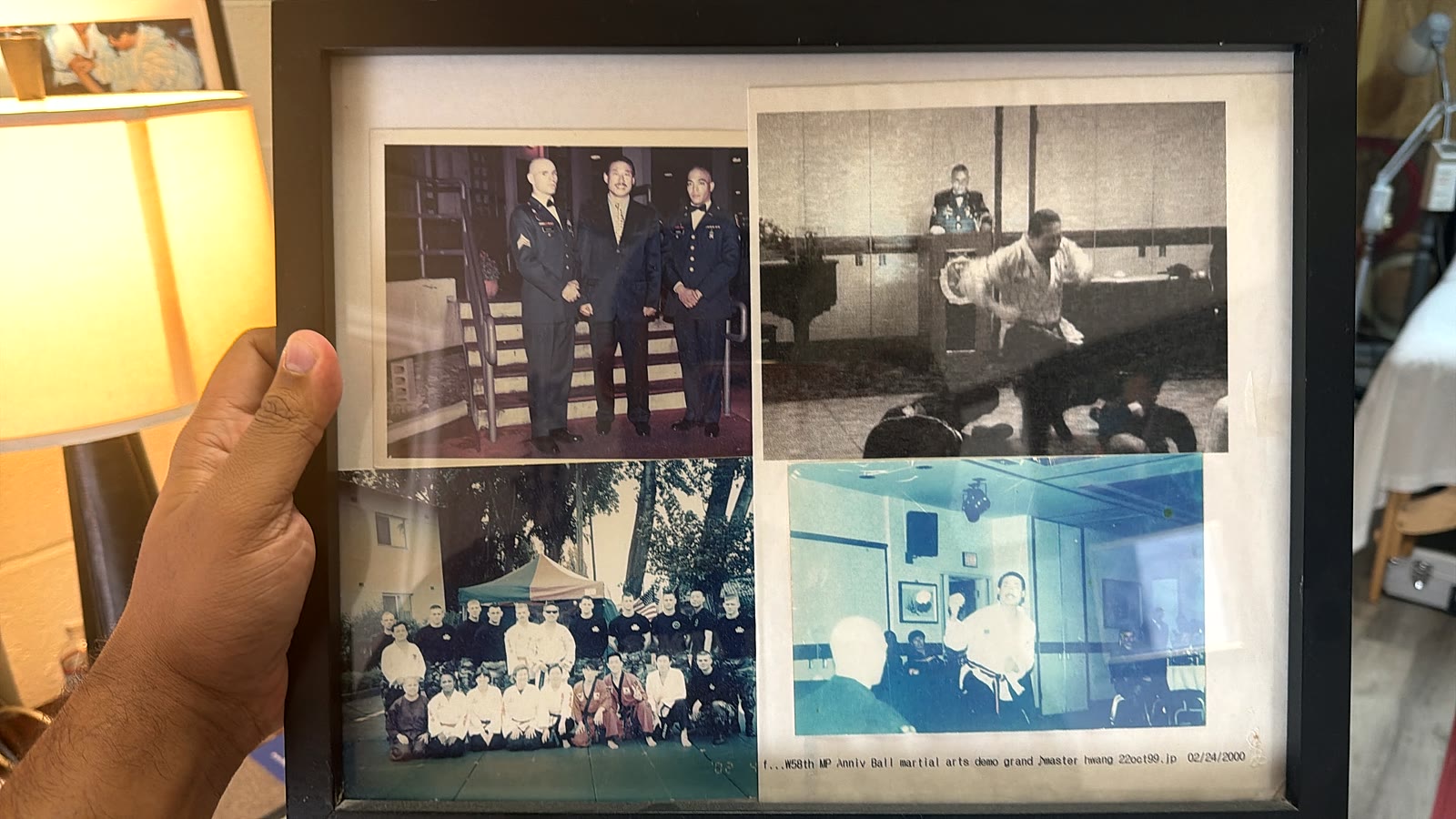
KIMOO is led by Grand Master Jong Yeon Hwang, who trained at the Korea Hapkido Headquarters Dojang from 1971 and holds 8th Dan Hapkido. He won Gold at the 10th Wushu World Cup in Milan in 2005. He received the President's Volunteer Service Award, a White House honor, in 2023. KIMOO received Santa Clara District 2 Business of the Year in 2019.
These facts describe verified experience and recognition. They do not guarantee a particular training outcome. Ask the academy how an instructor approaches your goals and what options are available.
Keep practice sustainable
Focused training can be demanding because it requires attention. Build in moments to listen, reset, and ask questions. Do not turn every session into a test of willpower. Safe, controlled practice and honest communication matter more than forcing intensity.
If you have a medical question or are changing your exercise routine, consult a qualified healthcare professional. Tell the academy what information is relevant to participation and stop if you experience concerning symptoms.
Frequently asked questions
Is deliberate practice the same as practising more often?
No. Frequency can help, but deliberate practice is defined by focused goals, appropriate challenge, useful feedback, and reflection. More time without attention is not automatically better training.
How many goals should I set for one session?
Start with one main goal. A narrow focus makes it easier to notice changes and ask a precise question. An instructor can help you choose an appropriate target.
Can beginners use deliberate practice?
Yes. Beginners can focus on understanding a basic idea, listening to feedback, and repeating it with care. The goal should match the student's current experience.
What if I keep making the same mistake?
Pause and describe the difficulty to the instructor. The task may need a clearer explanation, a slower pace, a different starting point, or a smaller step.
Does deliberate practice require a training journal?
No. A journal is optional. A brief note about one goal, one useful correction, and one next question can be enough to support reflection.
Can deliberate practice be used in self-defence training?
Ask the instructor how a drill's decision, awareness cue, or movement goal should be practised. Responsible instruction should keep the task clear and safe. Make your next session more purposeful. Book a free trial class at KIMOO Martial Arts in Santa Clara or call (408) 243-1001.
Train with a champion
Book your free trial class at KIMOO Martial Arts in Santa Clara and train under a World Cup gold medalist.
Keep reading