Training Tips
Martial Arts Social Connection: How Shared Practice Works
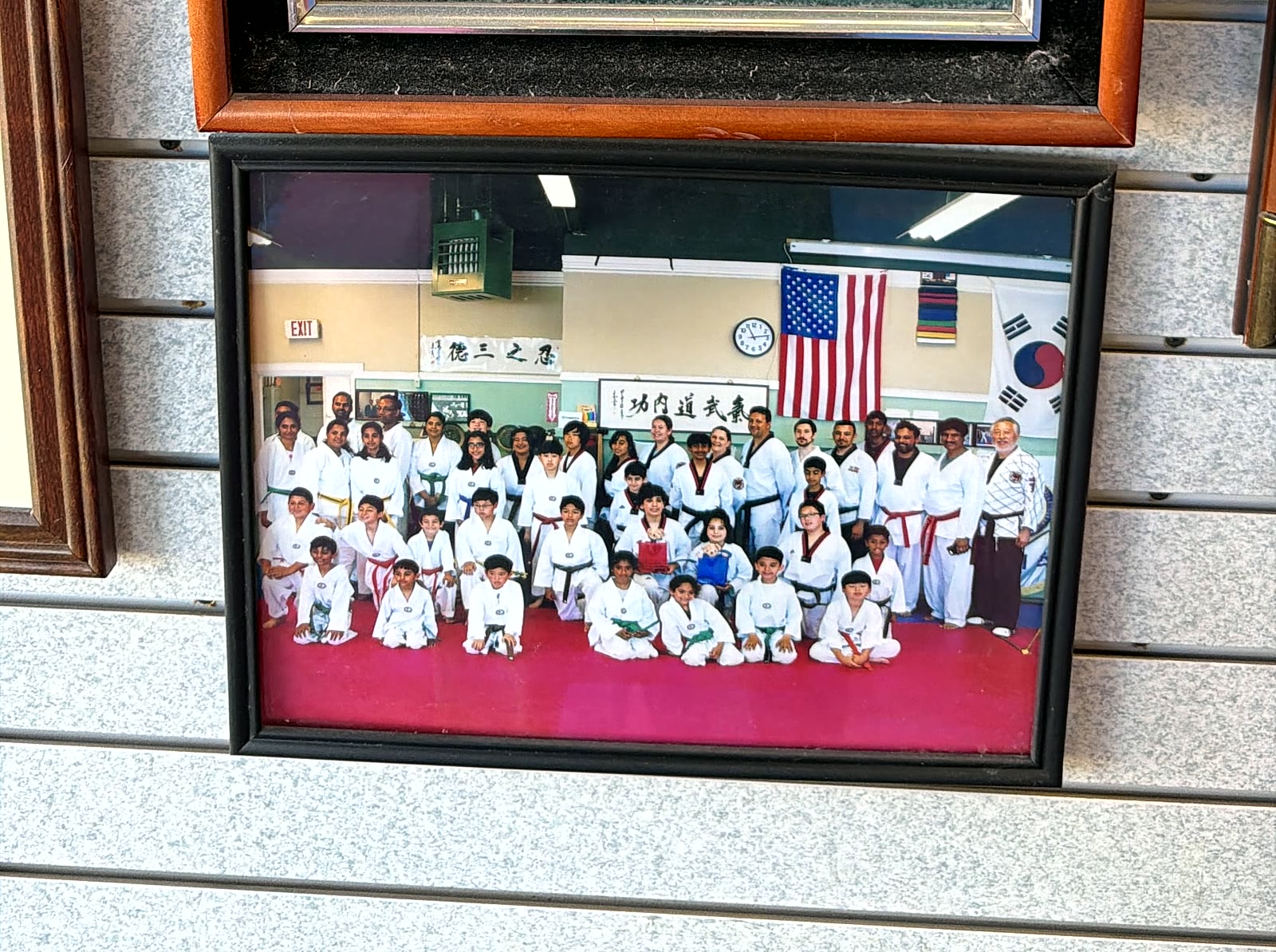
Martial arts social connection is built through repeated acts of attention. Students learn to listen to an instructor, work with a partner, respect boundaries, and contribute to a focused training environment. The result is not simply conversation around a class. It is a relationship with practice and with the people who make that practice possible.
Current discussions of martial arts research increasingly consider social support alongside physical and cognitive development. That interest should not be treated as a guarantee of a particular outcome. Instead, it invites a useful question: what habits make shared training respectful, welcoming, and genuinely valuable?
Connection starts with a shared purpose
People enter martial arts for different reasons. One student may want to study Hapkido, another may be drawn to Taekwondo, and another may be exploring self-defence or competition training. A shared class does not require identical goals. It requires a willingness to learn within clear expectations.
At the beginning of practice, listen for the purpose of the exercise. Understanding what you are learning helps you contribute rather than simply imitate. When students know the intention of a drill, communication becomes more precise.
Partner drills teach responsibility
A partner drill is a conversation expressed through movement. One student may provide an action while the other responds, then both may change roles. The exercise only works when each person pays attention to speed, distance, timing, and signals.
Do not add force, speed, or an unexpected variation without instruction. Ask before changing the exercise. If your partner needs to reset, stop and give them space. This kind of restraint is not a distraction from technical development. It is part of studying a skill responsibly.
Feedback should be specific and useful
Social connection is not the same as constant agreement. Good training includes corrections. The quality of a correction depends on how clearly it explains the next step and how respectfully it is delivered.
As a student, practise receiving feedback without treating it as a personal judgment. As a partner, avoid turning your observation into a command. If a detail is unclear, ask the instructor. Shared learning improves when everyone understands who is responsible for guidance.
Etiquette creates room for learning
Simple habits can protect the training environment. Arrive prepared according to the academy's instructions, pay attention when the instructor speaks, and avoid distracting conversations during demonstrations. Treat partners with care and communicate when you need a pause.
Etiquette is not a performance of formality. It is a way to make expectations visible. When students know how to begin, stop, switch roles, and ask for help, they can concentrate more fully on the lesson.
Different experience levels can still connect
A new student and a more experienced student may not have the same vocabulary or timing. That difference does not have to create distance. The experienced partner can follow the exercise carefully, while the newer student can ask questions and stay within the instruction.
Do not measure your value by how quickly you perform a technique. Contributing to a drill may mean being attentive, controlled, and willing to repeat a basic step. Progress is easier to understand when students focus on the process rather than comparing themselves with others.
Shared practice and personal boundaries
A healthy training relationship includes the ability to say no to an exercise that is unclear or to request a reset. Speak with the instructor about concerns and do not allow social pressure to replace informed consent. Partner work should be controlled and directed.
This matters especially in self-defence training, where the subject can be serious. The purpose of practice is to build understanding under supervision, not to create fear or prove toughness. Clear communication keeps the learning environment focused.
Find the right academy conversation
KIMOO Martial Arts offers Hapkido, Taekwondo, self-defence, and competition training in Santa Clara, California. If you are considering the academy, ask how instruction is organised, how partner exercises are introduced, and what a new student should expect. Those questions can tell you more than a broad statement about community.
KIMOO is led by Grand Master Jong Yeon Hwang, who trained at the Korea Hapkido Headquarters Dojang from 1971 and holds 8th Dan Hapkido. He won Gold at the 10th Wushu World Cup in Milan in 2005. He received the President's Volunteer Service Award, a White House honor, in 2023. KIMOO received Santa Clara District 2 Business of the Year in 2019.
Build connection through consistency
Social connection develops through repeated, respectful participation. Learn names when appropriate, thank a partner for careful practice, and ask for clarification instead of guessing. You do not need to be the most vocal student to contribute.
Whether your goal is Hapkido, Taekwondo, self-defence, or competition training, stay curious about the people and principles around the practice. A focused class can teach technical skill while also showing how attention and respect support shared learning.
Frequently asked questions
Is martial arts social connection just about making friends?
Friendship may be part of a training experience, but connection also includes listening, cooperation, feedback, and respect for boundaries. The shared work matters even when students have different personal goals.
How should I behave with a new partner?
Introduce yourself when appropriate, listen to the instructions, begin slowly, and ask before changing an exercise. Stop or reset whenever the exercise is unclear.
What if I feel nervous about partner drills?
Tell the instructor before beginning. Ask how the exercise works and what signals are used to pause. Clear information can help you participate responsibly.
Can a beginner contribute to a class community?
Yes. Careful attention, respectful communication, and willingness to learn are meaningful contributions at any experience level.
How do I give useful feedback?
Keep feedback relevant to the exercise, use respectful language, and refer questions to the instructor when you are unsure. Do not present a personal guess as a technical instruction.
What should I ask before joining an academy?
Ask about the available disciplines, the approach to partner work, how new students are introduced, and what practical details you need to confirm. Direct answers help you make an informed choice. Ready to learn in a focused and respectful setting? Book a free trial class at KIMOO Martial Arts in Santa Clara or call (408) 243-1001.
Train with a champion
Book your free trial class at KIMOO Martial Arts in Santa Clara and train under a World Cup gold medalist.
Keep reading