Training Tips
Representative Martial Arts Training: A Practical Guide
Representative martial arts training is a way to design practice around the information and decisions that matter to a skill. Instead of treating every drill as an isolated movement, an instructor can connect the task to a meaningful goal, an appropriate environment, and a clear boundary for practice.
This idea is useful for students who want to understand why a drill exists. It does not mean every practice must be complex or intense. Simple exercises can still represent an important decision when the goal is explained and the conditions are carefully controlled.
What representative practice means
A representative practice task gives you useful information about the skill you are learning. The task may involve a target, a partner, a distance, a direction, or a timing problem. You are not merely repeating a shape. You are learning to perceive a situation and organise a response.
Representation is a matter of degree. A beginner may need a simple task with limited choices. A more experienced student may need a variation that asks for a decision. The instructor's role is to select a challenge that remains understandable and controlled.
Begin with the purpose of the drill
Before starting, ask what the drill is meant to teach. Is the goal to manage distance, maintain balance, recognise a cue, create space, or complete a movement with control? A stated purpose helps you notice the information that matters.
A drill can be technically precise and still be difficult to understand if its purpose is unclear. In that situation, ask the instructor for a simple explanation. Clear language turns practice from a sequence of instructions into a learning task.
Add decisions gradually
A representative task does not need unlimited options. Start with one decision and one clear boundary. For instance, the student might respond to a defined cue while maintaining a controlled distance. Once that is understood, the instructor can vary the starting position, direction, or available target.
Small changes reveal whether you understand the task or are only memorising a pattern. The goal is not to make practice unpredictable for its own sake. The goal is to help you recognise what stays important when a condition changes.
Keep safety and control central
Any partner drill needs clear communication. Students should know the pace, range, contact level, and signal for pausing. A realistic task is never an excuse for reckless action. The training environment should make the boundaries obvious before practice begins.
If you are unsure what a cue means, stop and ask. The instructor can simplify the task or demonstrate it again. Responsible practice protects learning quality as well as the people sharing the training space.
Use feedback tied to the outcome
Useful feedback connects an action to its result. Instead of listing every body position at once, an instructor might first ask whether the student stayed balanced, recognised the cue, or reached the intended position with control. This makes the next adjustment easier to understand.
Technical details remain important when they affect safety or the success of the task. Ask how a correction relates to the drill's purpose. When you understand the connection, feedback becomes a tool for learning rather than a collection of unrelated comments.
Vary the environment thoughtfully
A small change in space can alter the information available to a student. A different angle, starting distance, or direction may require a new decision. The instructor should introduce changes one at a time when possible, so you can identify what influenced the result.
After a variation, reflect on what you noticed. Did you see the cue earlier? Did you need to manage distance differently? Did a familiar pattern stop working? These questions can turn a repetition into useful information for the next practice block.
Connect the approach to martial arts styles
KIMOO Martial Arts offers Hapkido, Taekwondo, self-defence, and competition training in Santa Clara, California. Representative practice can look different across these areas because the goals and tasks differ. Ask an instructor how a drill relates to the discipline you want to study.
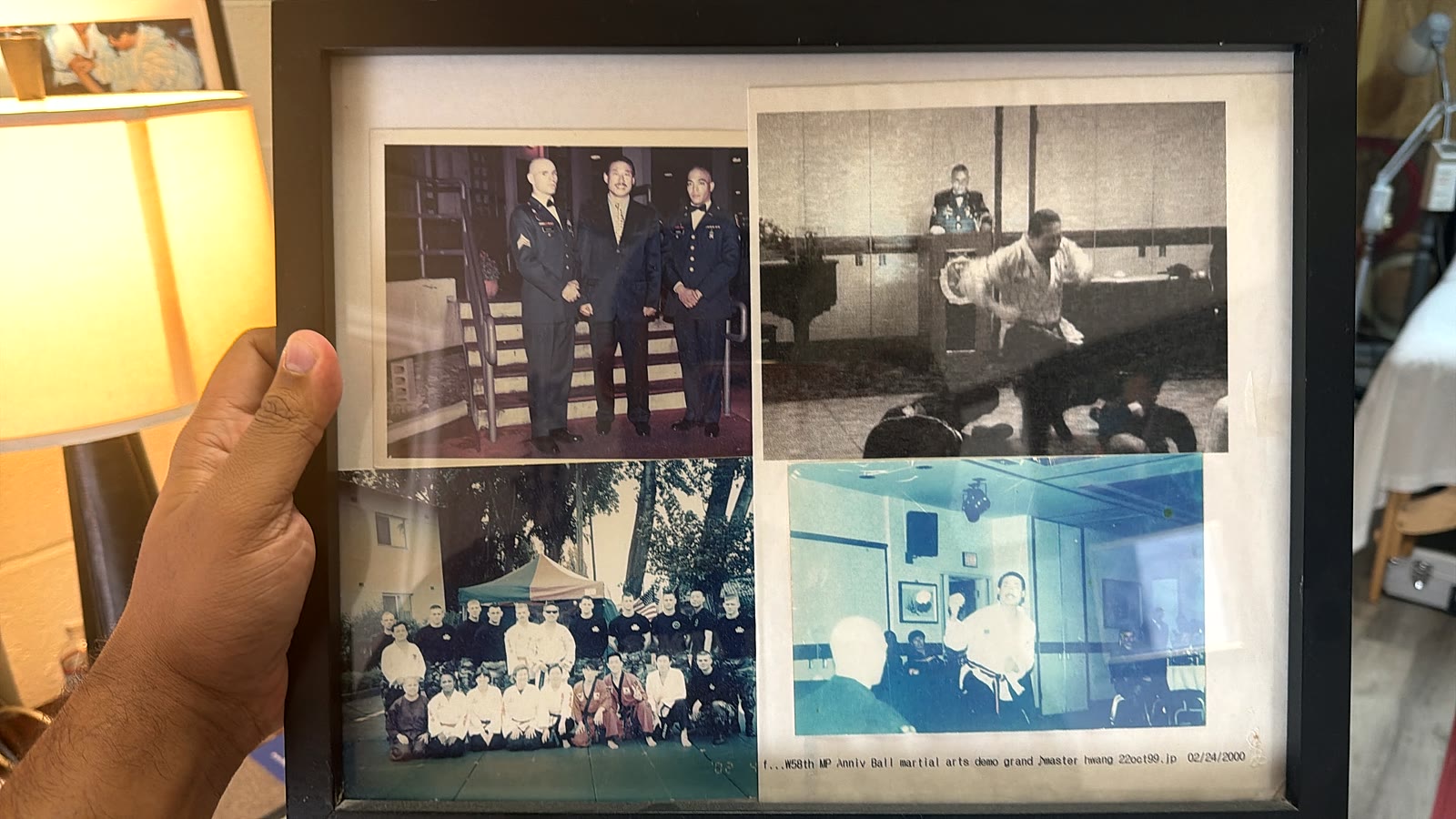
The academy is led by Grand Master Jong Yeon Hwang, who trained at the Korea Hapkido Headquarters Dojang from 1971 and holds 8th Dan Hapkido. He won Gold at the 10th Wushu World Cup in Milan in 2005. He received the President's Volunteer Service Award, a White House honor, in 2023. KIMOO received Santa Clara District 2 Business of the Year in 2019.
These verified facts provide context about KIMOO's leadership and recognition. They do not guarantee an individual result or define every student's experience. Ask direct questions about the class, the teaching approach, and the kind of practice you will undertake.
Build a useful reflection habit
After practice, note the task, the decision you made, and what information helped you. Keep the note short and bring one question to the next session. Specific questions help an instructor choose a productive next step.
Use representative training with patience
Practice design is not a shortcut. Skill develops through repeated attention, feedback, and appropriate challenge. Some sessions may focus on a simple technical detail, while others may connect that detail to a decision-rich task. Both can have a place in a thoughtful program.
The useful approach is the one you understand and perform responsibly. Stay curious, communicate clearly, and let the instructor adjust the task.
Frequently asked questions
What is representative martial arts training?
It is practice designed to preserve useful information and decisions related to a skill, rather than treating every repetition as an isolated movement.
Does representative practice mean every drill must be intense?
No. A simple task can be representative when it includes a meaningful goal, an appropriate cue, and clear boundaries for controlled practice.
How can beginners use this approach?
Ask what a drill is meant to teach, focus on one decision at a time, and request a simpler variation when the task is unclear.
Is technical practice still important?
Yes. Technical details can support safety and movement quality. The instructor can connect those details to the purpose of the task.
How should partner drills be controlled?
Clarify pace, range, contact, and the signal for pausing before starting. Stop and ask questions whenever a condition is unclear.
How can I explore this training approach at KIMOO?
Contact KIMOO Martial Arts in Santa Clara, share your goals, and ask what a free trial class involves. The instructor can explain the current next step. Book a free trial class at KIMOO Martial Arts in Santa Clara or call (408) 243-1001 to explore focused, purposeful martial arts practice.
Train with a champion
Book your free trial class at KIMOO Martial Arts in Santa Clara and train under a World Cup gold medalist.
Keep reading