Martial Arts Forms Training: How to Practise with Purpose
August 12, 20266 min readKIMOO Martial Arts
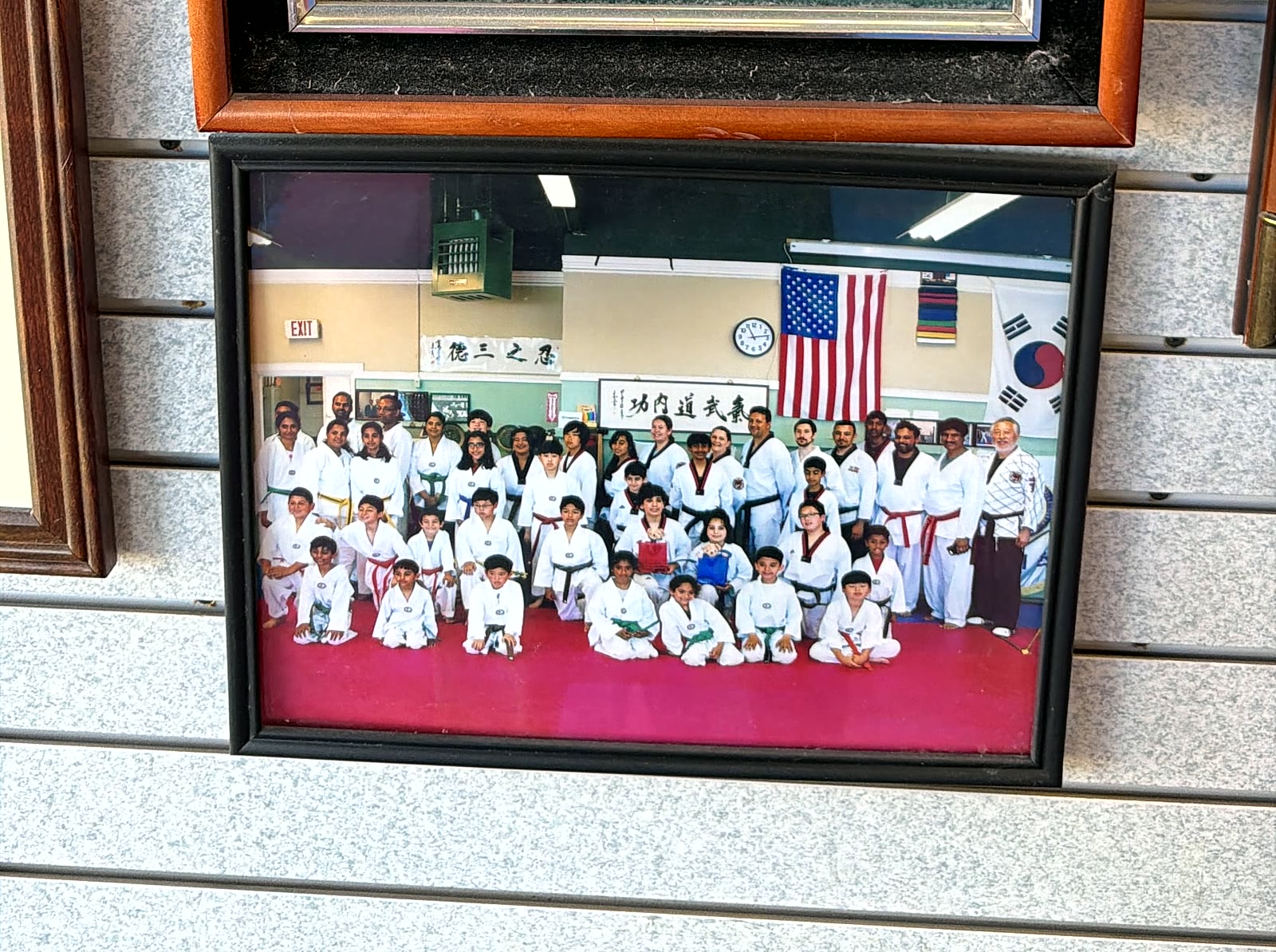
Martial arts students practising disciplined forms together

Martial arts forms training gives students a structured way to study movement. A form links positions, transitions, direction changes, and techniques into a sequence that can be practised repeatedly. The value is not simply finishing the pattern from memory. Purposeful practice asks you to understand each detail, maintain control, and gradually make the whole sequence more consistent.

Understand what a form is designed to teach

A form can provide a map for technical study. It asks the student to coordinate stance, posture, footwork, hand position, timing, and attention while moving through a set order. Because the sequence is repeatable, you can return to the same material and notice details that were easy to miss before.

A form is not a promise of automatic skill. It is a training method. To learn well, ask what each section is meant to develop. Is the focus on balance, direction, a transition, a specific position, or the quality of a technique? Understanding the purpose makes repetition more intelligent.

Different martial arts use forms in different ways. KIMOO Martial Arts offers Hapkido, Taekwondo, self-defence, and competition training. Ask the instructor how forms or structured sequences fit the discipline you are studying and what standard of control is expected.

Learn the sequence in manageable pieces

Trying to memorise an entire form at once can make the movement feel like a memory test. Start with a small section. Learn the order, the direction, and the finishing position. Then connect that section to the next one only after the first part is becoming familiar.

Use a simple learning checklist:

  • Identify the starting stance and direction
  • Learn the first transition without rushing
  • Notice where the weight shifts
  • Mark each change of direction
  • Finish in a stable position before resetting
  • Connect sections gradually with instructor guidance

If you forget the sequence, stop and return to the last point you know. Repeating a mistake at full speed can make the error harder to correct. A calm reset is more useful than trying to push through confusion.

Prioritise posture and balance

A form can reveal whether your foundation is stable. Watch for lifted shoulders, locked knees, collapsed posture, or steps that land too narrowly to support the next movement. These details affect how easily you can transition and how clearly you can express a technique.

Practise at a pace that lets you feel where your weight is moving. Keep the head and torso organised, breathe naturally, and allow the feet to arrive before asking the upper body to perform the next action. The goal is not to make every movement large. It is to make every position intentional.

Balance is especially important during direction changes and transitions. A brief pause at the end of a movement can help you check alignment before linking it to the next one.

Use repetition as observation, not autopilot

Repetition is useful when each round has a question. In one round, focus on the path of your feet. In another, focus on posture. Then study the timing of a turn or the position of the hands. This gives the mind a specific task and prevents practice from becoming a blur.

A helpful practice cycle is to perform the form slowly, identify one detail to improve, repeat with that detail in mind, and finish by performing the sequence naturally. Avoid changing five things at once. One precise correction is easier to remember and evaluate.

Ask an instructor to watch a section when you are unsure. An outside observation can reveal an alignment or timing issue that is difficult to feel while you are concentrating on memory.

Prepare for performance without losing purpose

Some students practise forms for personal development, while others may prepare for a demonstration or competition. Both approaches benefit from the same foundation: clear technique, reliable sequence memory, and calm attention.

If performance is your goal, practise entering the form with composure and finishing without immediately looking for approval. Keep your focus on the next technical detail. A strong presentation comes from preparation rather than exaggerated movement.

Competition training should be guided by an instructor who understands the relevant rules and the student's goals. Do not assume that making a form faster or bigger automatically makes it better. Precision and control must remain visible.

Build a respectful practice habit

Forms can be practised alone, but instruction still matters. Learn the academy's expectations for starting, finishing, spacing, and interacting with training partners. Ask before recording or sharing a form, and give others room to concentrate.

At home, use only material your instructor has already taught you. Choose a clear space, remove hazards, and stop if fatigue causes your balance or technique to deteriorate. A short, attentive practice is more useful than an unfocused session that creates poor habits.

KIMOO is led by Grand Master Jong Yeon Hwang, who trained at the Korea Hapkido Headquarters Dojang from 1971 and holds 8th Dan Hapkido. He won Gold at the 10th Wushu World Cup in Milan in 2005. This verified background offers context for disciplined martial arts instruction in Santa Clara, while your progress depends on consistent attention to the details you are learning.

Frequently asked questions

Are martial arts forms only for advanced students?

No. Forms can be introduced in manageable sections so students learn foundational positions, transitions, and focus. The instructor should adjust the complexity and pace to the material being taught.

How can I remember a form more easily?

Break it into sections, mark direction changes, identify the finishing position of each part, and practise slowly. Return to the last point you know rather than repeating a sequence after memory has broken down.

Should I practise forms quickly?

Speed should come after understanding and control. Practise at a pace that lets you maintain balance, posture, breathing, and accurate transitions. Increase pace only when the technique remains organised.

Can forms help with competition training?

They can be part of structured competition preparation when an instructor connects practice to the relevant rules and goals. The focus should remain on precise, controlled performance rather than speed alone.

What if a form feels repetitive?

Give each round a specific observation, such as footwork, posture, balance, or timing. A clear question turns repetition into a way to study and refine movement. Want to develop a more precise and focused practice? Book a free trial class at KIMOO Martial Arts in Santa Clara, or call (408) 243-1001.

Train with a champion

Book your free trial class at KIMOO Martial Arts in Santa Clara and train under a World Cup gold medalist.

Taekwondo Tournament Spectator Etiquette: How to Cheer with Respect→Neurodivergent Students and Martial Arts in Santa Clara: What to Ask→Women's Taekwondo Classes in Santa Clara: What to Ask→Taekwondo Terminology for Beginners: Common Korean Class Words→Taekwondo Sport Anxiety Study: What Recent Injury Research Says→Multi-Style Martial Arts Classes in Santa Clara: A Choosing Guide→What to Wear to a Martial Arts Class in Santa Clara: Trial Guide→Poomsae vs Kyorugi: How Taekwondo Competition Formats Differ→Non-Contact Martial Arts Classes in Santa Clara: Questions to Ask→K41 vs K44 Para Taekwondo: How Classification Shapes Competition→Martial Arts Classes for Parents and Teens in Santa Clara: What to Ask→Hapkido vs Aikido: Key Differences and How to Compare Training→Taekwondo Change-of-Direction Testing: What a 2026 Review Found→Martial Arts Classes for Focus in Santa Clara: Questions to Ask→Martial Arts School Culture in Santa Clara: What to Look For→Kids World Open Taekwondo Championships 2026: What to Know→Self-Defence or Competition Training in Santa Clara: How to Choose→Martial Arts Practice at Home: A Focused Guide to Solo Training→World Taekwondo Grand Prix Paris 2026: Dates and Format→Martial Arts Classes for Introverts in Santa Clara: A First-Visit Guide→Martial Arts and Nonviolence: Training with Restraint→Changing Martial Arts Schools in Santa Clara: Questions to Ask→Martial Arts Flexibility Training: Build Range with Control→Accessible Martial Arts Classes in Santa Clara: What to Ask→Martial Arts Membership in Santa Clara: Questions Before You Join→Martial Arts and Bullying Prevention: A Responsible Guide for Families→Martial Arts Gear in Santa Clara: What to Ask Before You Buy→Hydration for Martial Arts Training: A Practical Guide→De-escalation and Self-Defence Training in Santa Clara: What to Ask→Martial Arts Training Journal: A Simple Post-Class Guide→Poomsae vs Kyorugi: Two Taekwondo Competition Formats→Martial Arts Class Size in Santa Clara: What to Ask→Virtual Taekwondo at Asian Games 2026: How It Works→Hapkido Instructor in Santa Clara: What Credentials Can Tell You→Martial Arts Training Plateau: How to Find a Productive Next Step→Hapkido Self-Defence in Santa Clara: Questions to Ask Before You Choose→Taekwondo at LA 2028: Events, Classes, and What to Know→Adult Taekwondo Classes in Santa Clara: How to Choose→Martial Arts and Cognitive Engagement: What Recent Research Says→Martial Arts Classes for Caregivers in Santa Clara: What to Consider→Open-Skill Martial Arts Training: Why Adaptability Matters→Martial Arts Classes for Teachers in Santa Clara: A Thoughtful Guide→Representative Martial Arts Training: A Practical Guide→Martial Arts Classes for Shift Workers in Santa Clara: What to Ask→Travel Safety Martial Arts Classes in Santa Clara: What to Ask→External Focus in Martial Arts Training: A Practical Guide→Kids Martial Arts Classes in Santa Clara: A Parent's Guide→Guided Discovery in Martial Arts Training: A Practical Guide→Martial Arts Resilience Training: Build a Steadier Practice→Martial Arts for Personal Safety in Santa Clara: What to Ask→Deliberate Practice in Martial Arts: A Smarter Way to Train→Adult Hapkido Training in Santa Clara: What to Ask→Private Martial Arts Lessons in Santa Clara: Questions to Ask→Ecological Dynamics in Martial Arts Training: A Practical Guide→Martial Arts Interoception: Learn to Notice Your Body→Martial Arts Classes for New Residents in Santa Clara→Martial Arts Social Connection: How Shared Practice Works→Martial Arts Classes for Seniors in Santa Clara: What to Ask→Martial Arts Classes for Parents in Santa Clara: A Practical Guide→Martial Arts Breakfall Training: Why Safe Falling Matters→Martial Arts Classes for Adults Returning to Exercise in Santa Clara→Embodied Martial Arts Training: Learn Through Movement→Martial Arts Prehab: A Smarter Way to Prepare for Training→How to Choose Martial Arts Classes for Runners in Santa Clara→Martial Arts Video Analysis: Use Recording with Purpose→How to Choose Martial Arts Classes for Tech Professionals in Santa Clara→Martial Arts Coaching Feedback: How to Improve with Purpose→How to Choose Martial Arts Classes for College Students in Santa Clara→Martial Arts Warm-Up Drills for Focused, Safer Practice→How to Choose Martial Arts Classes for Couples in Santa Clara→How to Choose Taekwondo Competition Training in Santa Clara→Augmented Reality Martial Arts Training: What Students Should Know→Martial Arts Peripheral Vision Training: A Practical Guide→How to Compare a Martial Arts Class Schedule in Santa Clara→How to Choose Self-Defence Classes for Beginners in Santa Clara→Martial Arts Distance Management: Train Position with Purpose→Martial Arts Training Load Management: Train with Purpose→How to Choose Martial Arts Classes Near Me in Santa Clara→Strength Training for Martial Artists: A Balanced Guide→How to Choose Martial Arts Classes Near Santa Clara→Martial Arts Training Apps: A Smart Guide for Students→How to Choose a Martial Arts Instructor in Santa Clara→Martial Arts Rhythm Training: Build Better Timing→Martial Arts Class Cost in Santa Clara: Questions to Ask→Martial Arts Skill Retention: How to Remember What You Learn→Back-to-School Martial Arts in Santa Clara: A Family Guide→Wearable Technology for Martial Arts: A Smart Training Guide→Martial Arts Belt Testing in Santa Clara: What to Ask→How to Choose Martial Arts Classes After Work in Santa Clara→Gamification in Martial Arts Training: Use Play with Purpose→Martial Arts Classes for Stress Relief in Santa Clara: How to Choose→AI Martial Arts Training in 2026: What Technology Can Do→Martial Arts Coordination Classes in Santa Clara: What to Look For→Constraint-Led Martial Arts Training: A Practical Introduction→Slow Martial Arts Practice: Why Precision Comes First→Martial Arts Training Goals in Santa Clara: Find Your Fit→Self-Defence Training for Commuters in Santa Clara→Martial Arts Situational Awareness: A Practical Training Guide→Martial Arts Decision-Making Under Pressure: Train the Process→Your First Martial Arts Class in Santa Clara: A Simple Guide→Martial Arts Footwork Training: Build Better Movement Habits→Martial Arts Classes for Teens in Santa Clara: A Parent's Guide→Martial Arts Training Recovery: A Smarter Way to Practise→Adult Martial Arts Training in Santa Clara: How to Choose Well→Martial Arts School Comparison in Santa Clara: A Practical Guide→Martial Arts Motor Learning: How Skills Become More Precise→Martial Arts Proprioception Training for Better Body Awareness→How to Choose a Korean Martial Arts Academy in Santa Clara→Martial Arts Self-Regulation: Train Attention with Purpose→How to Choose Martial Arts for Confidence in Santa Clara→Choosing Taekwondo Self-Defence Training in Santa Clara→Martial Arts Goal Setting for More Purposeful Training→How to Choose Taekwondo Fitness Training in Santa Clara→Martial Arts Mental Rehearsal for More Focused Practice→How to Choose Martial Arts for Fitness in Santa Clara→Martial Arts Cross-Training: How to Combine Skills with Purpose→How to Choose Women's Self-Defence Classes in Santa Clara→Martial Arts Injury Prevention: Safer, Smarter Training Habits→Martial Arts Etiquette for Beginners: A Practical Guide→Family Martial Arts in Santa Clara: How to Choose a Dojo→How to Choose a Martial Arts Trial Class in Santa Clara→Martial Arts Partner Drills: How to Train with Purpose→Hapkido Classes in Santa Clara: A Guide for New Students→What to Look for in Taekwondo Classes in Santa Clara→Martial Arts Reaction Time Training: A Smarter Way to Practise→Martial Arts Breathing Techniques for Better Training→How to Find Beginner Martial Arts Training in Santa Clara→Martial Arts Mobility and Balance Training for Everyday Movement→How to Choose Competition Martial Arts Training in Santa Clara→How Martial Arts Builds Focus and Discipline→How to Choose Adult Self-Defence Classes in Santa Clara→Hapkido vs Taekwondo: Which Martial Art Is Right for You?→How to Choose the Best Martial Arts Dojo in Santa Clara→