Choosing a Dojo
Family Martial Arts in Santa Clara: How to Choose a Dojo
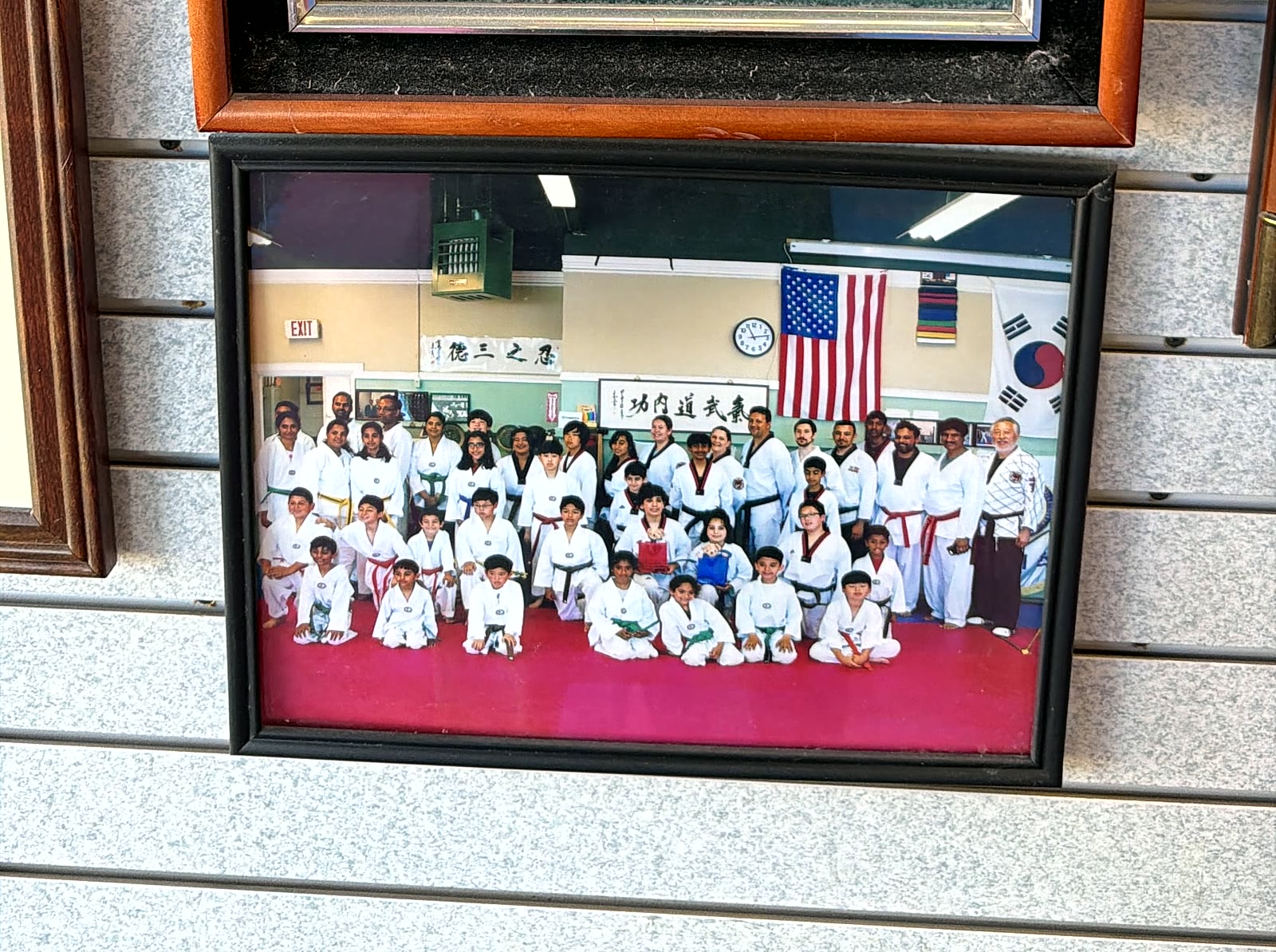
Choosing family martial arts in Santa Clara is about more than finding a convenient activity. A strong academy gives each person a clear way to learn, practise, and participate with purpose. When family members explore training together, the experience can also create a shared language for focus, respect, and steady improvement. The first step is to find an environment whose teaching style and disciplines match your goals.
Start with shared goals
Every family member may arrive with a different reason for considering martial arts. One person may be interested in Hapkido, another in Taekwondo, and someone else in self-defence or competition training. These goals can coexist, but they should be discussed before choosing a dojo.
Ask what you want from the experience. Are you looking for a structured practice, an introduction to Korean martial arts, technical instruction, or a disciplined approach to self-defence? Defining the goal makes it easier to compare academies without being distracted by flashy demonstrations or vague promises.
KIMOO Martial Arts in Santa Clara offers Hapkido, Taekwondo, self-defence, and competition training. A conversation with the academy can help you understand which discipline best fits each person's interests.
Look for clear, adaptable instruction
A family training environment should make the lesson understandable to people with different levels of familiarity. Observe whether the instructor explains the purpose of an exercise, demonstrates the movement, and breaks a technique into useful steps. Clear instruction helps everyone participate without turning the class into a race.
Notice how corrections are delivered. Specific feedback gives a student something practical to change, such as stance, distance, balance, or hand position. A warm but focused instructor can maintain high standards while allowing learners to ask questions.
Ask how the academy introduces fundamentals and how practice develops over time. You do not need a guarantee of results. You need a realistic explanation of how attention, repetition, and coaching support progress.
Make safety part of your comparison
Safety should be visible from the beginning of a class. Look for a purposeful warm-up, controlled demonstrations, clear instructions about contact, and respectful interaction between training partners. If an exercise includes partner work, students should understand their roles and know when to pause or reset.
Share relevant physical concerns with the instructor before participating. Ask whether a movement can be modified while preserving its learning purpose. No one should feel pressured to ignore pain, uncertainty, or a need for clarification.
A family can also observe the culture around safety. Do students listen to one another? Do they use control rather than unnecessary force? Does the instructor step in with useful guidance? These details reveal how the academy treats training as a long-term practice.
Compare the disciplines, not just the name
Martial arts schools can use different names for similar goals, so ask what the lesson actually teaches. Hapkido may interest someone drawn to a Korean martial art and self-defence concepts. Taekwondo may appeal to someone interested in its distinctive technical practice. Self-defence training may focus on awareness, communication, and controlled responses. Competition training adds a performance and preparation perspective.
The right choice depends on the learner's interest and the instructor's guidance. You do not have to select a discipline from a short description alone. A trial class and a thoughtful conversation can show whether the teaching approach feels clear and appropriate.
Evaluate the culture of the dojo
A premium training environment is defined by the quality of its habits. Look for attentiveness, courtesy, and a willingness to learn. The room can be energetic while remaining organised. Students should be able to practise seriously without making the experience uncomfortable for others.
Ask how the academy approaches respect, partner communication, and corrections. A useful answer will describe behaviours that can be observed in class. Be cautious of claims that rely only on guarantees, rankings, or dramatic language. A family's experience is shaped by consistent instruction and a healthy training culture.
KIMOO's leadership includes Grand Master Jong Yeon Hwang, who trained at the Korea Hapkido Headquarters Dojang from 1971 and holds 8th Dan Hapkido. He won Gold at the 10th Wushu World Cup in Milan in 2005. KIMOO also received Santa Clara District 2 Business of the Year in 2019. These verified facts offer context when comparing martial arts instruction in Santa Clara.
Ask useful questions before enrolling
A short list of questions can make a visit more productive:
- Which discipline would you recommend for each person's stated goal?
- What fundamentals are introduced first?
- How are partner drills explained and controlled?
- How can a student ask for help or request a modification?
- What should we expect from a first class?
Pay attention not only to the answers but also to how they are given. You should leave with a clearer understanding of the training experience, not pressure to make an immediate decision.
Frequently asked questions
Can a family explore more than one martial art?
Yes, you can discuss different interests with the academy. KIMOO offers Hapkido, Taekwondo, self-defence, and competition training. Ask which introduction best matches each person's goals.
What should we look for in a family dojo?
Look for clear instruction, controlled practice, respectful communication, visible safety expectations, and a culture that values learning. The academy should be willing to explain its approach.
Is a trial class useful for choosing an academy?
A trial class lets you observe instruction and experience the training environment directly. Use it to assess clarity, comfort, safety, and whether the lesson connects with your goals.
How should we prepare for a first visit?
Contact the academy about what to bring and wear. Arrive ready to listen, share relevant concerns with the instructor, and ask questions after the class.
Does choosing a dojo require a long-term commitment immediately?
You can use an introductory visit to gather information first. Make a decision after considering the teaching style, discipline, safety approach, and overall fit for your family. Ready to explore a focused training environment together? Book a free trial class at KIMOO Martial Arts in Santa Clara, or call (408) 243-1001.
Train with a champion
Book your free trial class at KIMOO Martial Arts in Santa Clara and train under a World Cup gold medalist.
Keep reading